In this article, you will learn how to decode the scientific codes behind your bird's unexplained post-adoption behaviors to build a deep bond and trust. With updated information as of March 2026.


In this article, you will discover the 5 insidious neurobiological effects of the Encephalitozoon Cuniculi parasite, which is often overlooked in rabbits but severely affects the brain, along with lifesaving early diagnosis methods.

In this article, we will deeply explore the insidious neurobiological effects of gut microbiome imbalance (dysbiosis) on your rabbit's brain health and provide scientific-based solutions to maintain mental vitality.

In this article, you can find comprehensive information on how pancreatitis in dogs not only affects the digestive system but also insidiously impacts the brain, its neuroinflammatory mechanisms, and lifesaving emergency intervention strategies.
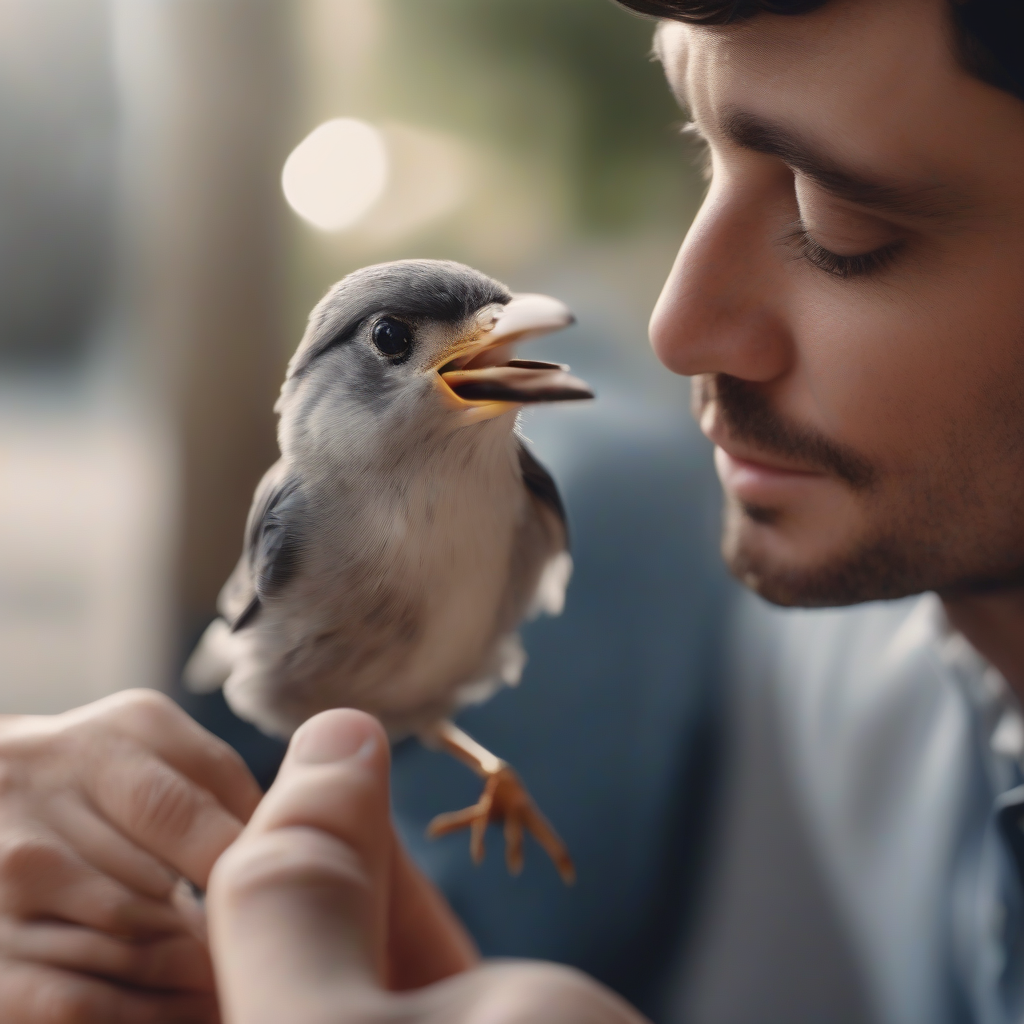
Adopting a pet bird brings a wonderful experience, filling our lives with joy through their vibrant colors and melodic songs. However, especially in the initial stages of adoption, some behaviors exhibited by our birds can be incomprehensible to us. These behaviors are often a 'silent language,' and when interpreted correctly, they lay the foundation for the bond we will build with our companion. Based on current scientific findings as of March 2026, we will explore how to decode this 'silent language' of your bird outside the cage and the art of building deep trust.
Like any creature entering a new environment, birds may experience some stress initially. Leaving their familiar surroundings, sounds, smells, and even family can be a significant change for them. Therefore, the first days and weeks are critically important for proceeding with patience and understanding.
Your bird retreating to a corner of its cage, preening itself, or puffing up its feathers to appear smaller is not a sign of rejection. It is an indication of its instinctive search for a 'safe space.' Just as a person may want solitude during stressful moments, birds try to find a place where they feel secure.
Wing flapping isn't just for flying. Birds may exhibit this behavior when stressed, excited, or uncomfortable. Their body language is also full of clues:
Recognizing these signals will help you understand when to back off.
Trust is the cornerstone of the relationship your bird will build with you. This trust is built through patience, consistency, and the right interaction methods.
Immediately trying to pick up your bird or touch it will usually backfire. It can be a sudden and overwhelming experience for them. Scientific research shows that the most effective way to build trust with animals is to allow them to proceed at their own pace.
This process can take days, weeks, or even months, depending on your bird's species, individual personality, and history. Remember, rushing can spoil everything.
If your bird is afraid of certain sounds, objects, or movements, desensitization is the most effective solution. This is the process of reducing the fear response by gradually and controlledly introducing the source of fear.
This process allows your bird to approach new situations more positively and makes stressful situations, like veterinary visits, easier. Our article Break Your Bird's Hidden Resistance: Scientific Desensitization & Trust Training Secrets Against Fear! offers more in-depth information on this topic.
Your bird's cage is not just a living space but also its 'safe harbor.' Its time outside the cage is an opportunity for socialization and bonding with you.
Even when your bird is out of its cage, it can be tense, restless, or overly reactive. The reasons are often 'invisible alarms' we overlook:
Such situations can create stress for it and reduce its desire to socialize. The principles discussed in the article Your Cat's 'Invisible Soundscape': Hidden Sources of Acoustic Stress at Home and the Science of Creating a Peaceful Environment! are also applicable to birds.
Birds are incredibly intelligent creatures and need mental stimulation. Playtime is both fun and a part of socialization.
Research has definitively shown that birds are social beings and derive great pleasure from human interaction. It is important to remember that each bird has an individual personality and learning pace.
The bond you form with your bird will be a source of deep satisfaction, not only for it but also for you. Understanding this 'silent language' is the key to a happier, healthier, and more loving pet experience.
This means its 'nest' where it feels safe. Its voluntary return to its cage is a positive sign that it is not uncomfortable with the environment you share. With patience and interaction, you can encourage it to spend more time outside the cage over time.
Don't rush. Let it get used to your presence, sit near its cage and talk. Give it the opportunity to get to know your hand and encourage it to step onto your finger for a reward. This process requires patience and consistency. Our article Your Bird's 'Silent Language of Consent': Overlooked Communication Secrets in Touch and Interaction, and the Art of Building Trust offers more tips on this.
Pecking can be due to fear, stress, a defense mechanism, or simply a way of exploration. Observe when and why your bird pecks. If it's due to fear or discomfort, eliminate the triggering factor or apply desensitization. The guide Turn Your Bird's 'Biting Behavior' into Therapy: Scientific Training Secrets to Facilitate Veterinary Visits! can help with this.
