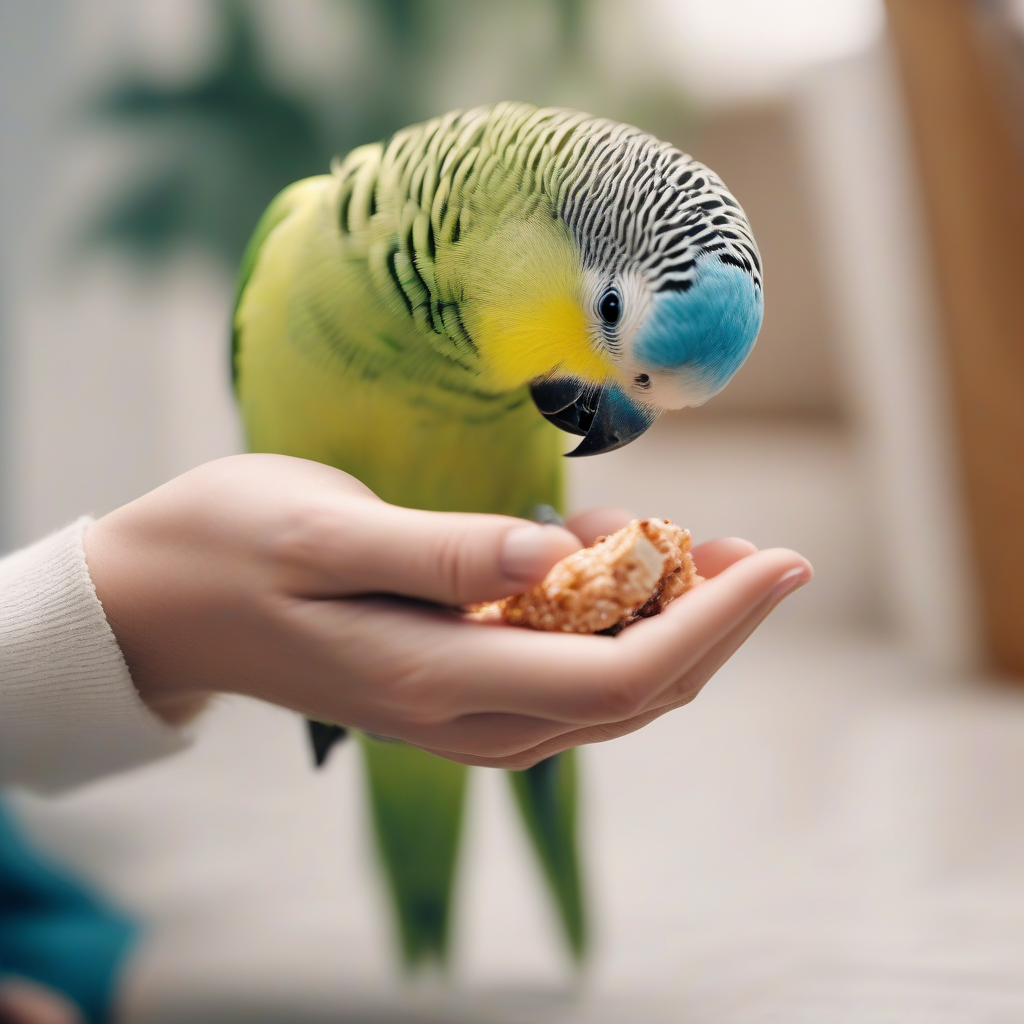
In this article, you will discover how to overcome your bird's fear and resistance in training using scientific desensitization and counter-conditioning techniques, and build a lasting bond of trust.


In this article, you will discover the 5 insidious neurobiological effects of the Encephalitozoon Cuniculi parasite, which is often overlooked in rabbits but severely affects the brain, along with lifesaving early diagnosis methods.

In this article, we will deeply explore the insidious neurobiological effects of gut microbiome imbalance (dysbiosis) on your rabbit's brain health and provide scientific-based solutions to maintain mental vitality.

In this article, you can find comprehensive information on how pancreatitis in dogs not only affects the digestive system but also insidiously impacts the brain, its neuroinflammatory mechanisms, and lifesaving emergency intervention strategies.
Birds are highly vigilant creatures that have developed strong fear responses to potential threats to survive in their natural environments. The resistance or withdrawal behaviors we encounter during the training of our pet birds are often a reflection of these deeply rooted fear mechanisms. Complaints like "I can't train my bird" or "it's too scared of new things" are actually different ways for your bird to say "I don't feel safe." In this article, we will uncover the secrets to understanding this hidden resistance within your bird and building a lasting bond of trust using scientifically based desensitization and counter-conditioning techniques.
Birds can be sensitive to environmental changes, new objects, unexpected sounds, and even your movements. These triggers can lead to behavioral responses in your pet bird such as stress, a desire to escape, biting, feather plucking, or freezing. These reactions do not mean your bird is "stubborn," but rather that it does not feel safe. Interpreting your bird's silent communication language correctly is the most important step you will take in the training process. Understanding a bird's emotional map, decoding out-of-cage SOS signals, and strengthening its mental well-being are vitally important.
Fear and anxiety can manifest in birds through various behavioral signs:
These behaviors often originate from past negative experiences, inadequate socialization, or genetic predispositions.
The most effective way to help your bird overcome its fears is to apply scientifically proven desensitization and counter-conditioning techniques. These two methods aim to transform your bird's negative association with a fearful stimulus into a positive experience.
Desensitization is based on the principle of gradually exposing your bird to a fearful stimulus (a toy, a hand, a new person, etc.), starting at the lowest level, in a controlled manner over time. The goal is to allow the bird to notice and get used to the stimulus without triggering a fear response.
Counter-conditioning involves presenting a stimulus that your bird fears simultaneously with something it finds highly enjoyable, thereby replacing the old negative association with a new, positive one.
Important Note: Desensitization and counter-conditioning are often used together and complement each other. Desensitization reduces the "fearfulness" of the stimulus, while counter-conditioning transforms it into something "positive."
Patience and consistency are essential in the training process. Building a strong bond of trust with your bird is fundamental to the success of these techniques.
Your bird's "resistance" in training is not stubbornness, but often a sign of deep fear or insecurity. By applying scientific desensitization and counter-conditioning techniques with patience, understanding, and consistency, you can help your bird overcome these fears and build an unbreakable bond of trust and friendship. Remember, training is a process, and every small step is a big step towards a happier and more harmonious life. Seeking support from your veterinarian or a behavioral specialist will guide you through this journey.
