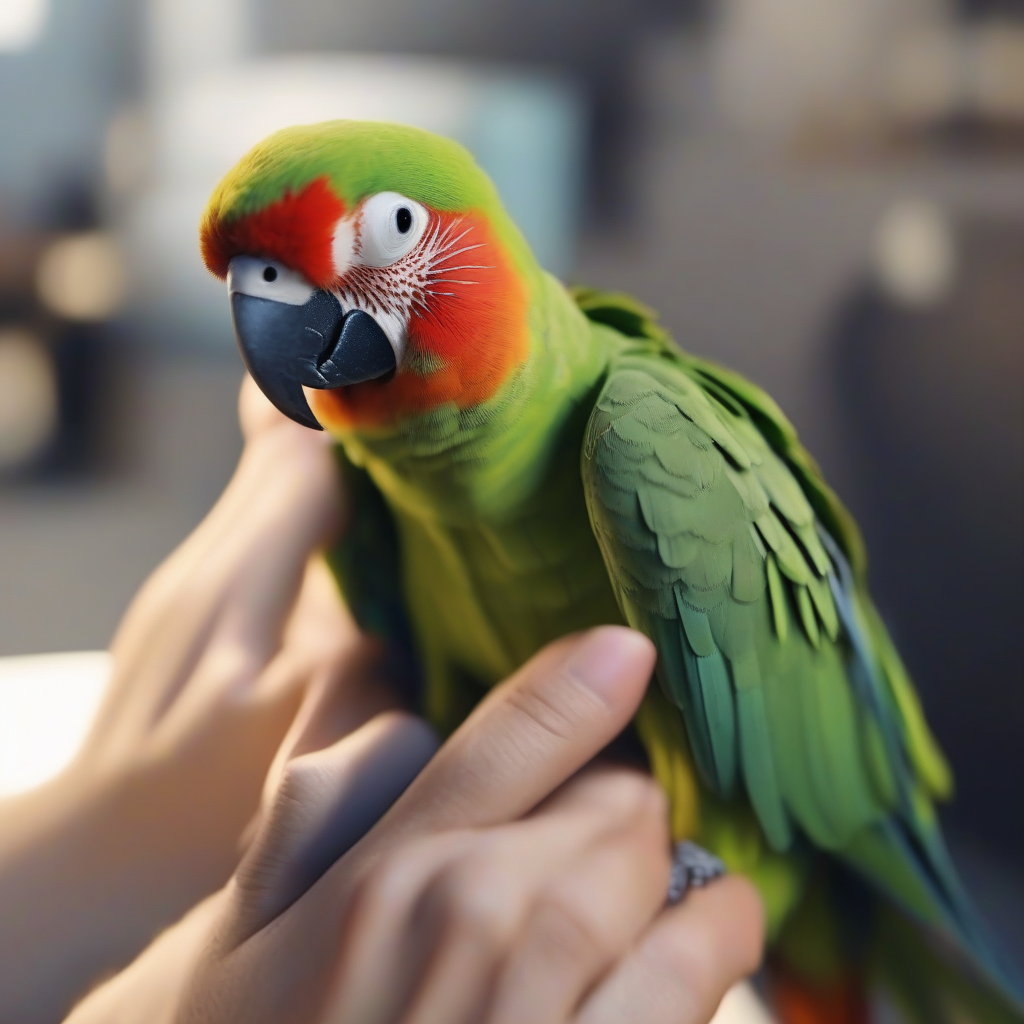
In this article, you will discover scientific ways to understand your newly adopted bird's overlooked body language signals and build a deep bond of trust. Evaluate the post-adoption adaptation process from your bird's perspective to learn key insights for developing a healthier and happier relationship.


Discover the neurobiological signals of hidden stress your newly adopted cat experiences during adaptation to a new social environment. This article reveals 5 insidious signs of your cat's silent struggle and scientific strategies for peaceful, long-term harmony.

Your dog's anal sacs, located beneath the tail, can be hidden alarm bells often overlooked but profoundly affecting their quality of life. In this article, you will discover the 5 insidious neurobiological effects of anal sac problems on the brain and the lifesaving care secrets you need to know for your furry friend to live a peaceful life.
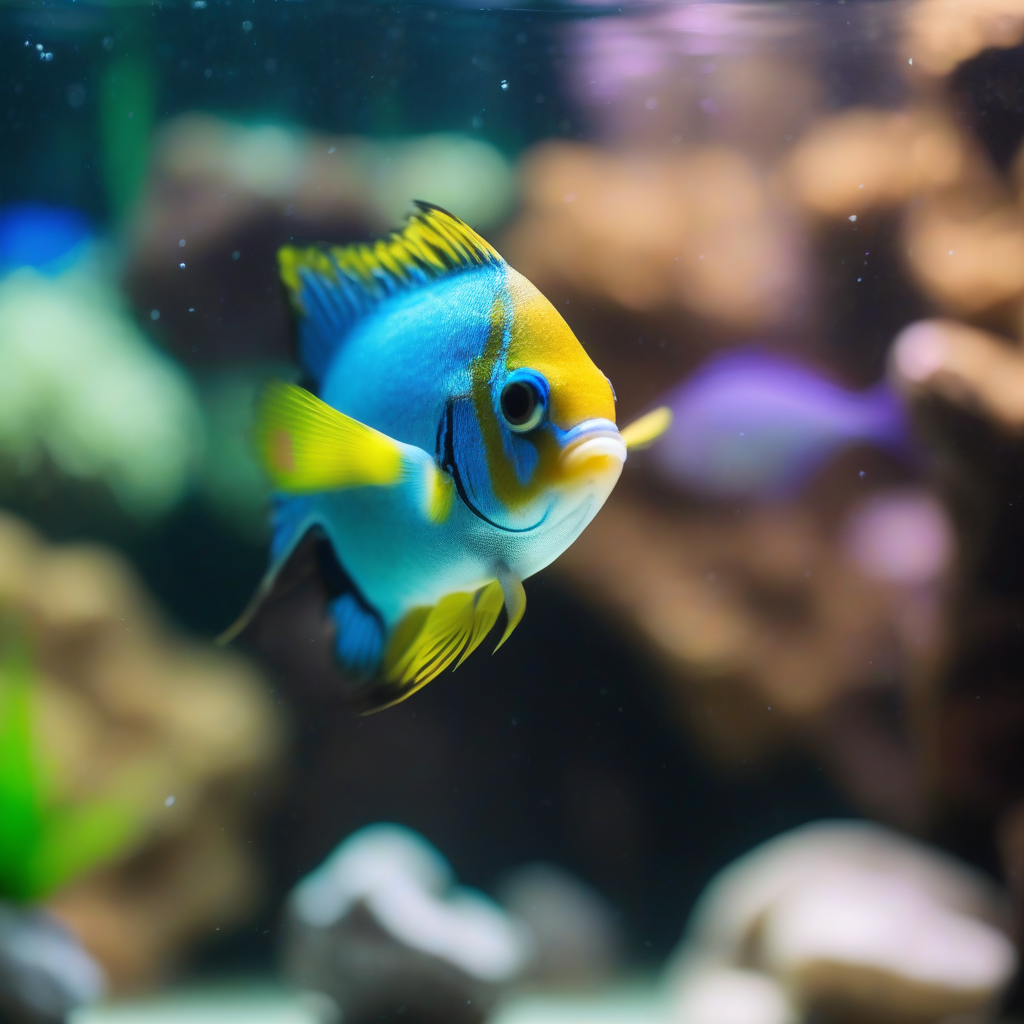
In this article, you will find comprehensive information on the insidious neurotoxic effects of heavy metal poisoning in aquarium fish, its symptoms, and lifesaving emergency intervention codes. This condition, which can arise from household water sources, improper equipment, or neglect, can severely threaten your fish's quality of life and lifespan.
Adopting a new bird brings joy and color into your life, but also a profound responsibility. These tiny companions have complex inner worlds and communication methods vastly different from humans. The post-adoption period is a time of adaptation and trust-building for both you and your bird. However, often the subtle body language signals birds send are overlooked or misinterpreted. This can lead to misunderstandings, stress, and even behavioral problems. As WikiPet, with the latest scientific data as of March 2026, we share with you the secrets to deciphering your bird's silent language and building a deep, lifelong bond.
Birds instinctively constantly evaluate their environment and social interactions for survival. Their body language is the primary way they express emotions such as comfort, fear, happiness, anxiety, or pain. Accurately understanding these signs is vital for your bird's physical and mental well-being. So, what are these invisible signals, and how should you respond to them correctly?
Bird body language often manifests as a combination of several movements rather than a single signal. Therefore, evaluating the overall context is essential.
Birds fluff their feathers for different reasons. General and soft feather fluffing is a sign that your bird feels relaxed and safe; it's often seen before or after sleep. However, tense feather fluffing accompanied by sluggishness or trembling can indicate cold, illness, or severe stress. When an immediate threat is perceived, feathers become tightly plastered to the body, and the bird tries to make itself appear smaller. Making this distinction is crucial for understanding your bird's condition. Similarly, a normal molting stretch after rest is a sign of relaxation, while continuous and tense stretching can indicate stress.
A bird's eyes are like the mirror of their soul. Slow opening and closing of the eyes and gentle blinking show that your bird trusts you and is relaxed. On the other hand, rapid blinking or eyes fixed for long periods can mean anxiety or high vigilance. One of the most striking signs is "pupil pinning," where the bird's pupils rapidly constrict and dilate, indicating intense excitement, focus, contentment, or sometimes aggression. Context is key: if your bird is leaning towards you, tilting its head, and gently chattering, it's a sign of affection and contentment. But if seen with a tense posture, it could be a warning before a potential bite.
Birds also use their feet for communication. Resting with one foot tucked up into their feathers is a classic sign that your bird feels safe and comfortable. This indicates they are in an environment where they don't feel vulnerable. Conversely, a bird exhibiting a tense posture with both feet tightly clenched to the perch might be stressed, frightened, or even in pain. Sometimes, this can also be an indication that it's feeling cold due to the microclimate. Sudden weight shifts or constantly moving feet tightly gripping the perch can also indicate unease.
Your bird's head position can tell a lot about its intentions. Tilting its head towards you or lowering it slightly is often an invitation for petting or attention and a sign of deep trust. A bird approaching you with slightly fluffed neck feathers is seeking interaction. However, holding its head extremely upright, sleeked feathers, and staring fixedly generally indicates a perceived threat and a defensive posture. In this situation, it's important to build trust with slow and gentle movements.
Like dogs, birds can wag their tails! This movement is often associated with excitement, happiness, or a desire for attention. It can be seen particularly when approaching new food, toys, or you. However, a stiff, rhythmic, and rapid up-and-down tail wag can sometimes also be a sign of respiratory distress or general discomfort. Wing trembling is a more complex signal. In young birds, it can indicate excitement and a desire for food, while in adult birds, it can signal intense excitement, stress, fear, or hormonal changes. When you see this trembling, paying attention to your bird's overall behavior and environment will help you make the correct interpretation. A combination of severe trembling and sluggishness could be a sign of a medical condition.
Once you understand your bird's body language, you can manage your relationship with it more consciously. Science-based approaches are essential for successful socialization in the post-adoption period.
Always associate interaction with your bird with positive experiences. Reward desired behaviors (e.g., gently coming to your hand). Never resort to force or punishment, as this only creates fear and distrust. Respect your bird's personal space. The cage is its safe haven; never reach into its cage without its consent or corner it. Let it come to you. Creating reciprocal space allows it to trust you and engage in interaction of its own free will.
Birds thrive on routine and predictability. Consistent daily feeding, playtime, and sleep schedules help your bird feel secure and reduce stress. Unexpected situations or sudden changes can cause high anxiety in birds. For example, feeding at the same time or specific interactions that encourage their speech potential can positively affect your bird's mental health.
Similar to humans, the presence of mirror neurons in birds plays a critical role in learning and social interaction. By mimicking your bird's calm and relaxed behaviors, you can "match" it. Slow movements, a calm tone of voice, and avoiding direct eye contact (until trust is built) can reduce its tension. Over time, your bird will begin to reflect your calmness in its own state. This is fundamental to building deep empathy and connection.
Learning your bird's 'silent communication language' will transform your relationship with it and give you invaluable insight as a pet parent. With patience, observation, and science-based approaches, you can decipher every nuance of your bird's body language, build a deep bond of trust, and ensure it lives a long, happy life. Remember, every bird is an individual, and being open to learning throughout this journey is always important.
