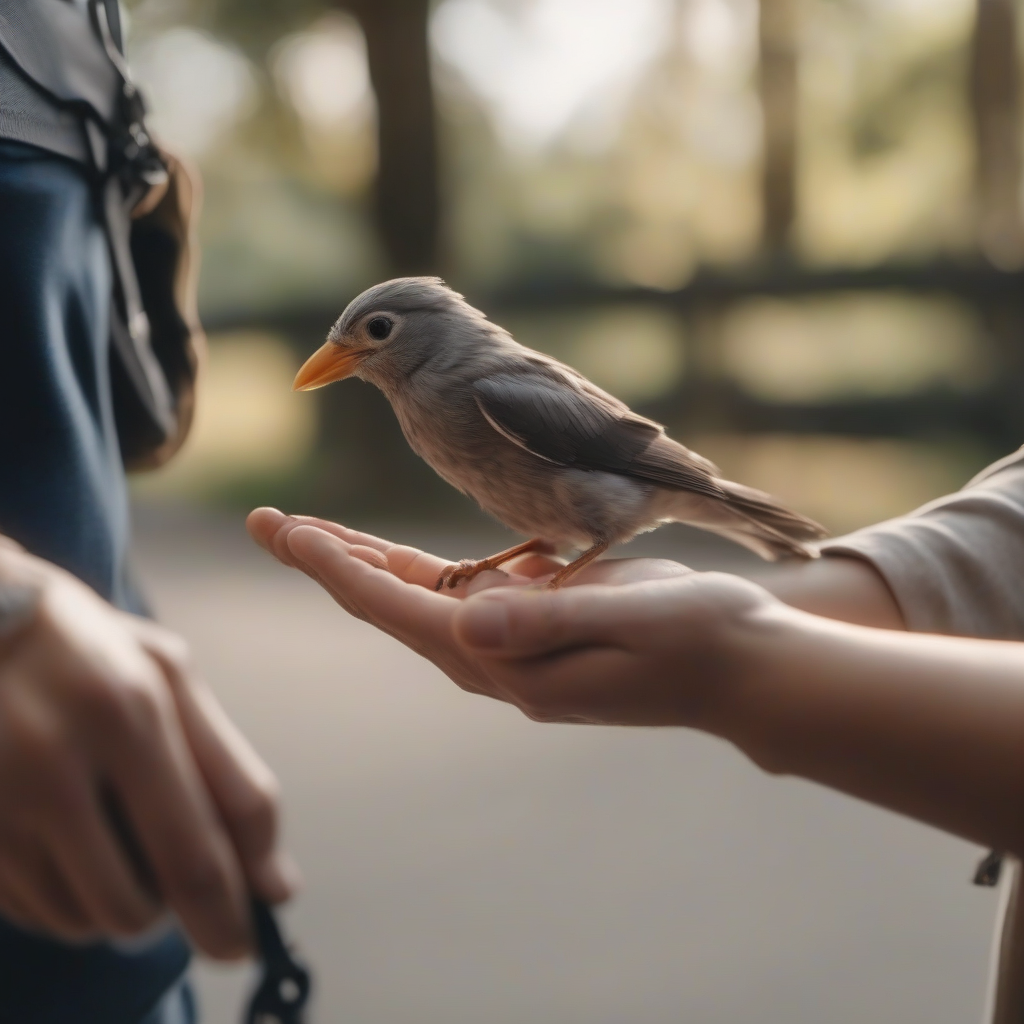
In this article, you will find the scientific roots of your bird's biting behavior during vet visits and training strategies to transform this into a positive experience.


Discover the neurobiological signals of hidden stress your newly adopted cat experiences during adaptation to a new social environment. This article reveals 5 insidious signs of your cat's silent struggle and scientific strategies for peaceful, long-term harmony.

Your dog's anal sacs, located beneath the tail, can be hidden alarm bells often overlooked but profoundly affecting their quality of life. In this article, you will discover the 5 insidious neurobiological effects of anal sac problems on the brain and the lifesaving care secrets you need to know for your furry friend to live a peaceful life.
In this article, you will find comprehensive information on the insidious neurotoxic effects of heavy metal poisoning in aquarium fish, its symptoms, and lifesaving emergency intervention codes. This condition, which can arise from household water sources, improper equipment, or neglect, can severely threaten your fish's quality of life and lifespan.
As bird owners, we understand how critical veterinary visits are for the health of our feathered companions. However, for many birds, these visits can trigger a stressful series of events, from being taken out of their cage to being examined. This stress often results in bites or aggressive defensive behaviors. As of March 2026, advancements in veterinary medicine require us to focus not only on sedation but also on scientifically-based training strategies to overcome these challenges. Our goal is to transform your bird's vet visits from a "battleground" into a collaborative, even positive, experience. In this article, we will explore the scientific roots behind your bird's biting behavior and reveal revolutionary training secrets that will make vet visits much easier.
Birds are prey animals by nature and possess strong instincts to protect themselves when threatened. Biting behavior is often a manifestation of this fundamental survival mechanism.
The most common reason a bird bites is fear. Unfamiliar environments, strangers (including veterinarians), sudden movements, or excessive restraint can create an intense anxiety and fear response in birds. In this situation, a bite is a cry of "Leave me alone!" Other invisible fear codes in a bird's body language often signal a situation that will result in a bite. Dilated eyes, fluffed feathers, rapid breathing, and attempts to retreat are among these signals.
Some birds, especially during breeding seasons or when they perceive their cage as their territory, may exhibit territorial aggression. During these periods, they might interpret any approaching hand or object as a threat and try to ward it off by biting. Hormonal changes can make birds more sensitive and defensive, increasing stress during vet visits.
Unintentionally, birds sometimes learn that biting helps them get what they want. For example, if they are left alone or returned to their cage every time they bite, this behavior is reinforced. This can damage your bird's trust bond with you and make subsequent interactions even more difficult.
Proactive training is essential to make vet visits less traumatic for your bird. Here are some scientifically-based approaches:
Positive reinforcement is a powerful training tool that encourages desired behaviors by rewarding them. It is the foundation for building a strong bond with your bird. Initially, reinforce simple behaviors like approaching your hand or perching on your shoulder with their favorite treats. Start by simulating vet visit scenarios at home:
Target training involves teaching your bird to touch a stick or your finger. This allows you to easily guide them from one place to another, ideal for situations like entering a carrier or stepping onto a scale.
Veterinary examinations often require your bird to be gently held. Create short, positive experiences at home to accustom them to this situation:
It is best to start training as early as possible. Young birds tend to be more open to new experiences. However, birds of all ages can be trained. Consistency is key. Short, positive training sessions daily are much more effective than infrequent sessions with long breaks. Remember, patience is crucial, and never force or punish your bird; this will only increase fear and aggression.
Transforming your bird's biting behavior during vet visits into "therapy" is a process that requires patience, understanding, and scientifically-based training strategies. Understanding your bird's fears and instincts, combined with positive reinforcement and trust-building, will create a much calmer and safer veterinary experience for both you and your feathered friend. Remember, every small training step contributes to your bird's overall well-being and the deepening of your bond with them.
