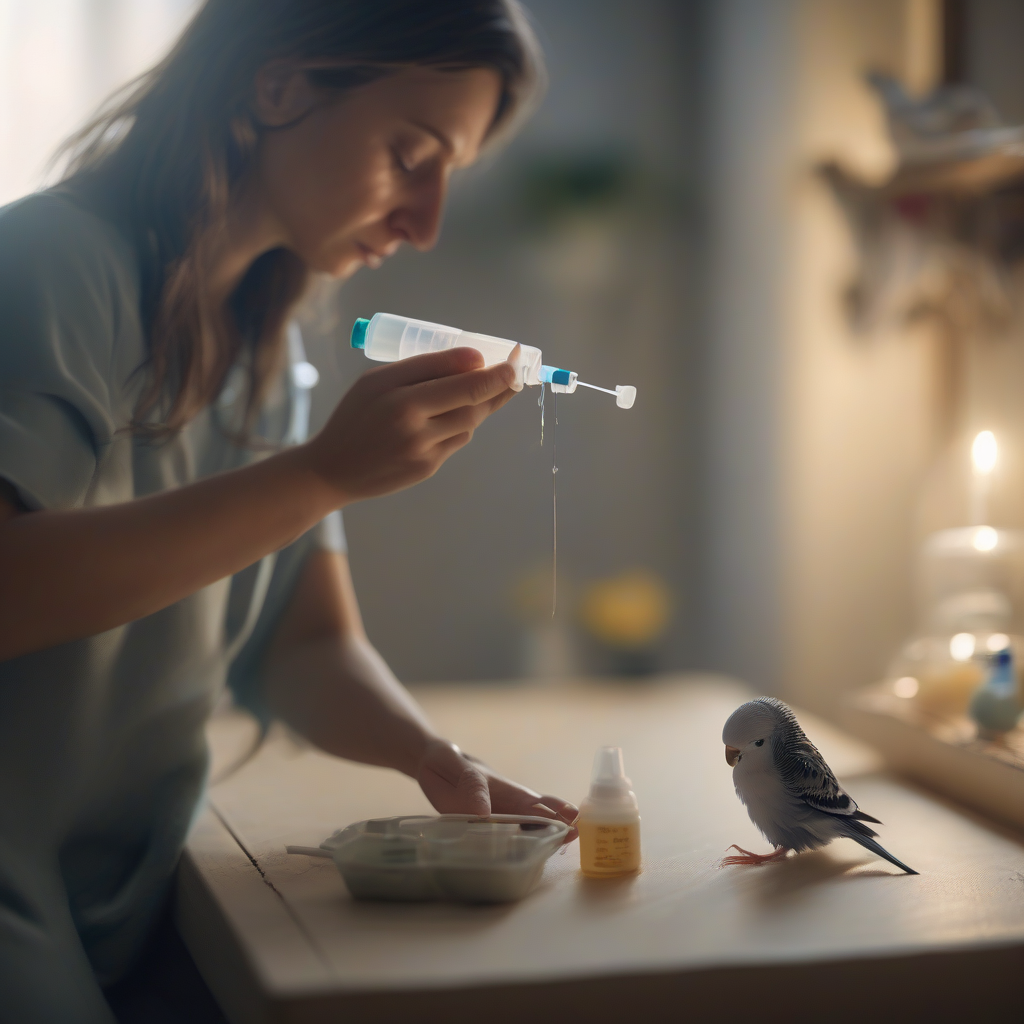
In this article, you will find 5 scientific application codes to make the process of administering medication to your pet bird stress-free and effective. Secure your little friend's health with proper preparation, gentle handling, flavor tricks, positive reinforcement, and aftercare techniques.


Discover the neurobiological signals of hidden stress your newly adopted cat experiences during adaptation to a new social environment. This article reveals 5 insidious signs of your cat's silent struggle and scientific strategies for peaceful, long-term harmony.

Your dog's anal sacs, located beneath the tail, can be hidden alarm bells often overlooked but profoundly affecting their quality of life. In this article, you will discover the 5 insidious neurobiological effects of anal sac problems on the brain and the lifesaving care secrets you need to know for your furry friend to live a peaceful life.
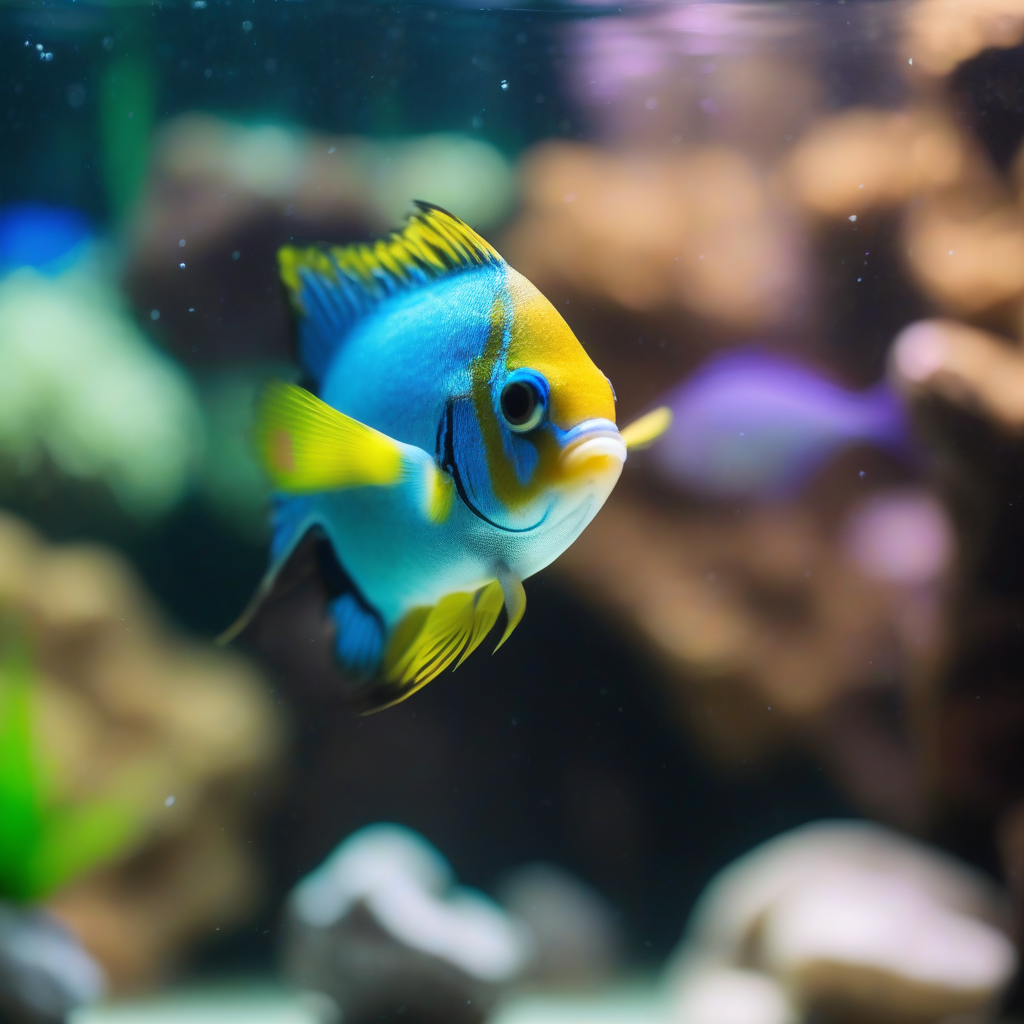
In this article, you will find comprehensive information on the insidious neurotoxic effects of heavy metal poisoning in aquarium fish, its symptoms, and lifesaving emergency intervention codes. This condition, which can arise from household water sources, improper equipment, or neglect, can severely threaten your fish's quality of life and lifespan.
Administering medication to your pet bird can be a real struggle for many bird owners. Your little friend getting stressed, refusing the medication, or the medication becoming ineffective due to incorrect application can turn into a draining experience for both you and your bird. But don't worry! With scientifically based approaches and correct techniques, it's possible to transform the process of giving medication to your bird into a much less stressful, even positive, experience. As of March 2026, we will discover the intricacies of administering medication without risking your tiny feathered friend's health by deciphering these 'secret codes' recommended by veterinarians.
Birds are naturally prey animals and tend to flee or resist when they don't feel safe. Being held by a human hand, or forced to ingest an unknown substance, instinctively creates a perception of threat for them. This 'medication resistance' is a completely natural reaction, and understanding this reaction is the first step in determining the right application strategies. Our goal is not to break this natural resistance, but to manage it and find the least traumatic path for our bird.
The key to success when giving medication to your bird is calmness, preparation, and the correct technique. By applying these 5 scientific codes, you can both reduce your bird's stress and increase the effectiveness of the treatment.
It is crucial to have everything ready before the medication process begins. Choose a calm, quiet, and well-lit area. Remove any objects from the environment that your bird could escape to or injure itself on (sharp points, narrow gaps). Have the medication, the syringe (with the correct dose drawn), a clean towel (to wrap your bird), and even a favorite treat or toy that you can give as a reward after the process. Speed is essential to minimize stress; being caught unprepared prolongs the process and causes your bird more anxiety. This is a fundamental part of building trust, just like in your bird's first greeting ritual.
Holding your bird is the most stressful part. The correct holding technique prevents your bird from being harmed and ensures your safety. For small birds, you can gently place your thumb and forefinger around the bird's neck while supporting its body with your other fingers. For larger birds, using a towel can be safer. Gently drape the towel over the bird to restrict its movement, leaving its head exposed. The important thing is to hold it firmly but gently, avoiding pressure on its chest, as birds use their chest muscles to breathe. Avoid sudden movements, but do not hesitate. Remember that a bird showing signs of stress may experience problems such as feather plucking syndrome.
Many veterinary medications can be specially formulated or flavored for birds. If the medication tastes bad, you can talk to your veterinarian about requesting a flavored version. In some cases, mixing it with a small amount of your bird's favorite food or fruit juice (with veterinary approval) can make the medication more readily accepted. Administer the medication slowly from the side of its beak, towards the cheek pouch, not directly down its throat. This triggers the bird's swallowing reflex and reduces the risk of aspiration. This is a critical step for your bird's overall health, especially in situations like sudden respiratory distress, where correct administration is vital.
Reward your bird as soon as the medication process is over. You can use a favorite toy, a small treat, or gentle words. The goal is to separate this experience from negativity and, if possible, create a positive association. If possible, desensitize your bird by gently holding and releasing it at non-routine times. This reduces its fear of hands and makes future medication administrations easier. Understanding your bird's fear codes will give you a significant advantage in this process.
Closely observe your bird after medication administration. Check for any signs of adverse reactions such as difficulty breathing, lethargy, vomiting, or behavioral changes. Gently clean any medication residue left on its beak or feathers with a damp cloth. Give your bird some alone time to relax and calm down. It is vital to follow your veterinarian's instructions precisely and to contact them immediately in case of any side effects.
If you are having difficulty administering medication to your bird, do not hesitate to ask your veterinarian for help. They can show you the correct techniques, suggest alternative administration methods, or prescribe a different form of the medication. Your veterinarian is your greatest supporter in determining the most suitable strategy for your bird's unique needs.
In conclusion, giving medication to your bird can be daunting, but with the right knowledge and practice, you can make the process manageable and even stress-free. Remember, your calmness reflects on your bird. By applying these scientific codes, you will both secure your little friend's health and strengthen the bond between you.
