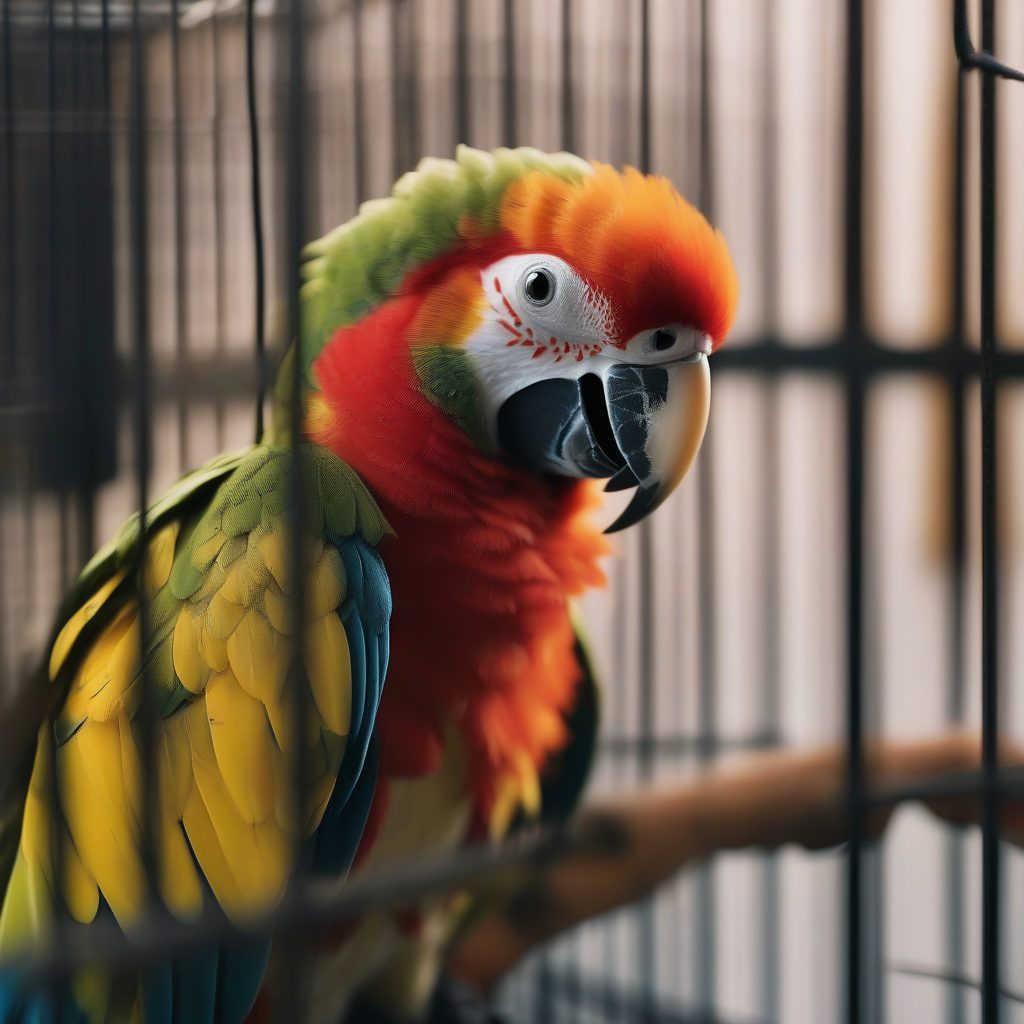
Is Your Bird Feather Plucking? Invisible Triggers and Scientific Solutions for Lifelong Comfort Secrets
Adopting a bird is a unique experience that brings joy and vibrancy to your life. However, challenges can arise, particularly complex behavioral issues like "feather plucking syndrome," which can be a significant concern for owners. Feather plucking refers to a bird pulling out, chewing, or breaking its own feathers. While often dismissed as just a bad habit, it usually has much deeper, often invisible, medical, environmental, or psychological roots. As of March 2026, advancements in veterinary medicine and ethology have completely reshaped our understanding of this syndrome. In this guide, we will delve into the hidden triggers of feather plucking in your bird, the overlooked signs, and scientifically-backed strategies you can implement to ensure your feathered friend's lifelong comfort.
The Invisible Origins of Feather Plucking: Why Do Birds Pluck Their Feathers?
Feather plucking is not a natural behavior for birds and is generally an indication of a serious underlying problem. The causes of this behavior are diverse and require comprehensive investigation.
Medical Causes: Overlooked Health Problems
The first and most crucial step in addressing feather plucking behavior is to rule out medical causes. Many health issues can lead to itching, irritation, or general discomfort in your bird's skin, triggering feather plucking.
- Parasites and Infections: Internal and external parasites (such as mites, lice), bacterial, fungal, or viral infections can cause itching. For instance, air sac mites affect the respiratory system, while skin mites can directly damage feather follicles.
- Allergies: Environmental allergens (pollen, dust, mold) or food allergies can lead to skin reactions and itching, prompting your bird to pluck its feathers.
- Internal Organ Diseases: Metabolic disorders like liver or kidney diseases, and thyroid imbalances, directly impact skin and feather health, potentially triggering feather plucking. In such cases, feather plucking is often a symptom of general discomfort.
- Nutritional Deficiencies: Deficiencies in essential vitamins and minerals, particularly Vitamin A, calcium, zinc, selenium, and essential fatty acids, negatively affect feather and skin quality. A healthy diet is the fundamental building block of feathers, and deficiencies can lead to brittle feathers or dry, itchy skin. Our article Tohum Diyeti Tuzakları: Kuşunuzun Sindirim Sistemini Yeniden Programlayan 5 Gizli Besin Kriptosu provides further insight on this topic.
Environmental and Behavioral Triggers: Secrets Hidden Outside the Cage
When medical causes are ruled out, feather plucking is often linked to environmental stressors or behavioral issues. These triggers can profoundly impact your bird's mental well-being.
- Boredom and Lack of Stimulation: Birds are highly intelligent and social animals. When adequate mental stimulation and interaction are not provided, boredom and frustration can lead to feather plucking. The article Your Bird's Hidden Intelligence Potential: Unlocking Scientific Secrets Behind Feathers and Designing Playrooms emphasizes the importance of mental stimulation.
- Loneliness and Separation Anxiety: For social bird species, prolonged loneliness or insufficient interaction with their owners can lead to separation anxiety and feather plucking. Your Bird's Secret Fear Codes: Scientific Secrets to Breaking Post-Adoption Shyness and Building a Deep Lifelong Bond touches on this topic.
- Stress and Anxiety: Factors such as a new home, cage changes, changes within the family, loud noises, perceived predators (cats/dogs), or an unsuitable cage location can cause significant stress in birds.
- Cage Setup and Environmental Factors: Inadequate cage size, inappropriate perches, lack of bathing opportunities, dry air (low humidity), or chemical irritants like cigarette smoke or perfumes can also trigger feather plucking. Our article Your Bird's Secret Architect: Cage Setup and Strategic Enrichment Secrets that Satisfy Natural Instincts explains the importance of cage setup.
- Hormonal Fluctuations: Hormonal changes during the breeding season can trigger excessive nesting behavior and feather plucking in some birds.
Scientific Solutions and Advanced Care Strategies
Overcoming the problem of feather plucking requires patience, observation, and a multidisciplinary approach. Here are scientifically-backed solutions:
Comprehensive Veterinary Examination: Key to Hidden Diagnosis
When faced with feather plucking, the first step is to take your bird to a veterinarian experienced with avian species. In addition to a physical examination, the vet may request the following tests:
- Blood Tests: To evaluate internal organ function, hormone levels, and nutritional deficiencies.
- Feather Follicle and Skin Biopsies: To detect parasitic, fungal, or bacterial infections.
- Fecal Tests: To identify internal parasites or digestive issues.
- X-rays/Ultrasound if necessary: To diagnose internal organ diseases.
Living Space Enrichment and Mental Stimulation Secrets
Enriching your bird's environment is one of the most effective ways to reduce boredom and encourage natural behaviors.
- Chew Toys: Provide safe toys made of wood, rope, or cardboard that will keep your bird's beak busy and satisfy its natural chewing instincts.
- Puzzle and Foraging Toys: Use toys that simulate foraging behavior and provide mental challenges.
- Perches with Different Textures: Offer perches of varying diameters and textures, such as natural branches, cotton rope, or mineral perches, to support foot health and reduce monotony. Our article Kuşlarda Tüy Bakımı Sırları: Parlak Tüylerin Ötesinde Sağlık ve Davranışsal İpuçları offers useful information on this topic.
- Bathing Opportunities: Providing misting, a shallow bath dish, or moist vegetables can improve feather and skin health.
Nutritional Optimization: The Fundamental Building Block of Feathers
A balanced and nutritious diet is indispensable for healthy feathers and skin.
- Pellet-Based Diet: Seed-based diets are often nutritionally inadequate. A high-quality, pellet-based diet provides all the vitamins and minerals your bird needs.
- Fresh Fruits and Vegetables: Increase antioxidant, vitamin, and fiber intake by offering a wide variety of fresh, washed fruits and vegetables.
- Omega-3 Supplements: With your vet's recommendation, you can use omega-3 fatty acid supplements to support skin and feather health.
- Probiotics: Probiotics that support digestive health can improve nutrient absorption and contribute to overall well-being. Kuşlarda Sindirim Devrimi: SCFA'lar ve Prebiyotik Lifler ile Bağırsak Sağlığını Zirveye Taşıyan Beslenme Sırları (Mart 2026) provides more detailed information.
Behavioral Management and Stress Reduction Techniques
Reducing your bird's stress levels and reinforcing positive behaviors are critical in mitigating feather plucking behavior.
- Daily Interaction and Training: Spend regular time with your bird, teach it new commands, or play simple games. This strengthens your bond and provides mental stimulation.
- Establish a Routine: A consistent daily routine helps your bird feel secure. Keep feeding, play, and sleep times regular.
- Calming Environment: Place the cage in a quiet corner of your home, away from direct sunlight or drafts. Provide a quiet and dark environment for peaceful sleep at night.
Humidity and Lighting Balance: The Power of Invisible Effects
Ensuring humidity and light conditions similar to a bird's natural habitat is vital for feather health and overall well-being.
- Correct Humidity Levels: Especially for birds living in dry climates, increasing ambient humidity (using a humidifier or regular bathing/misting) can reduce skin dryness and itching.
- Full Spectrum UV Lamps: Special avian UV lamps that mimic the benefits of natural sunlight support Vitamin D synthesis, increase calcium absorption, and can aid in hormonal balance. This, in turn, has a positive effect on feather health.
Feather plucking syndrome is a cry for help from your bird. Solving this complex issue requires a comprehensive veterinary assessment, environmental enrichment, proper nutrition, and plenty of love and patience. Remember, every bird is an individual, and the solution process may take time. Do not hesitate to seek professional help and maintain your commitment to helping your feathered friend regain healthy, happy feathers.