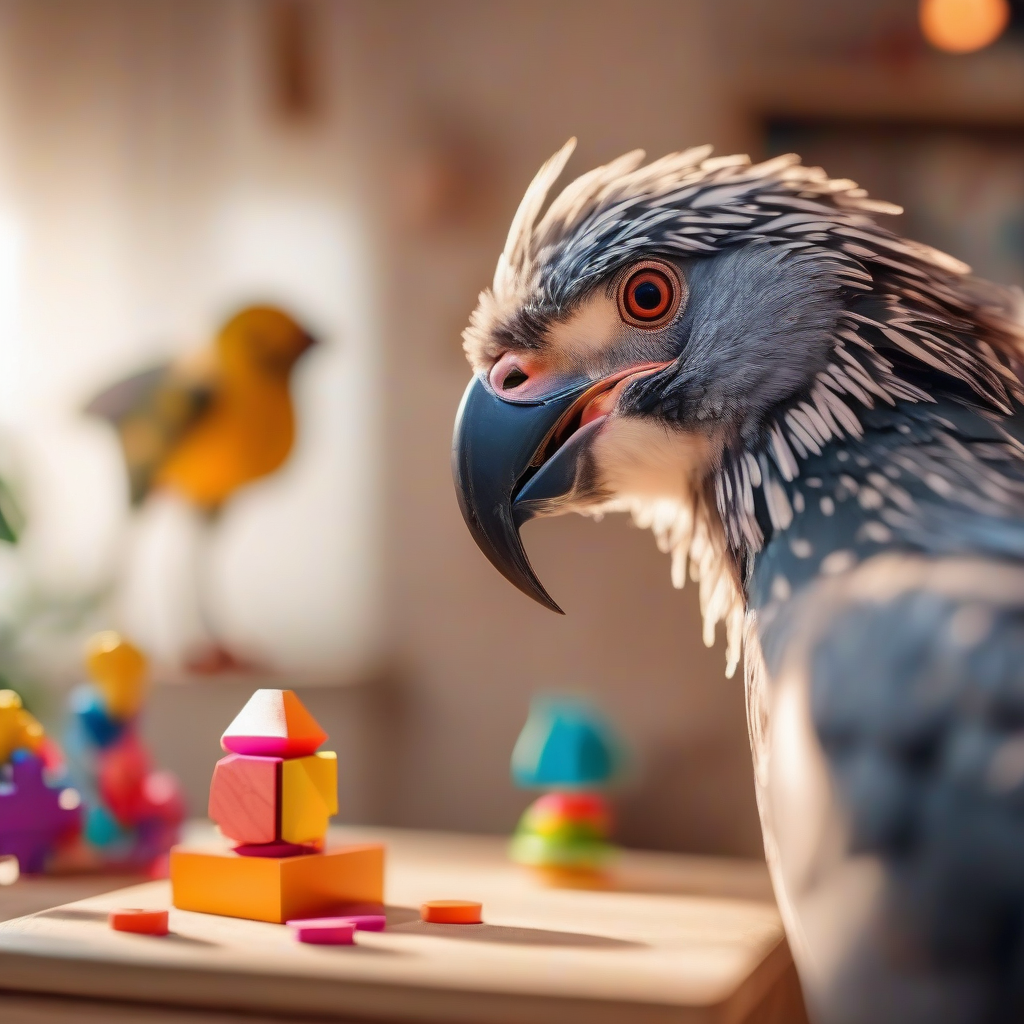
In this article, you will learn how to unlock your bird's hidden intelligence potential through scientific methods and how to nurture it with playroom design and environmental enrichment strategies.


Discover the neurobiological signals of hidden stress your newly adopted cat experiences during adaptation to a new social environment. This article reveals 5 insidious signs of your cat's silent struggle and scientific strategies for peaceful, long-term harmony.

Your dog's anal sacs, located beneath the tail, can be hidden alarm bells often overlooked but profoundly affecting their quality of life. In this article, you will discover the 5 insidious neurobiological effects of anal sac problems on the brain and the lifesaving care secrets you need to know for your furry friend to live a peaceful life.
In this article, you will find comprehensive information on the insidious neurotoxic effects of heavy metal poisoning in aquarium fish, its symptoms, and lifesaving emergency intervention codes. This condition, which can arise from household water sources, improper equipment, or neglect, can severely threaten your fish's quality of life and lifespan.
While birds are often known for their intelligence and sociability, their hidden intelligence potential beneath their feathers is frequently overlooked. Scientific research reveals that birds possess incredible cognitive abilities and how much this potential can be enhanced with the right environmental stimuli. At WikiPet, we embark on a journey into the mental world of your feathered friends, opening doors to offering them a richer life.
Bird intelligence isn't limited to simple vocal mimicry. Many species exhibit complex problem-solving skills, memory capabilities, and even social learning capacity. For example, corvids and parrots can demonstrate advanced cognitive abilities such as tool use, understanding cause-and-effect relationships, and even planning for the future. Recognizing and nurturing these abilities directly impacts their quality of life.
The most effective way to unlock your bird's intelligence potential is to consciously enrich its environment. Cage setup, toys, and interactive activities are crucial for your bird's mental and physical health.
Designing a bird playroom should not just be about aesthetics but also about considering your bird's natural behaviors and cognitive needs. Here's what to pay attention to:
Developing your bird's intelligence isn't limited to toys. Interacting with it and organizing conscious training sessions are also of great importance.
While often underestimated, the sense of smell in birds plays a significant role in exploring their environment and finding food for some species. Scent training can be a great way to provide mental stimulation, especially for species with a well-developed sense of smell. We touched upon the importance of a cat's sense of smell when deciphering the mystery of their bond with you. For birds, scent can also be a mental exercise. For more information on this, you can examine the principles in our article Cats' Invisible Intelligence Boost: Scent Training's Deep Secrets and Behavioral Improvement.
While supporting your bird's intelligence development, it's essential not to neglect its overall health and safety. Balanced nutrition, adequate sleep, and avoiding stressful environments ensure its mental functions operate at an optimal level. Emergencies like sudden respiratory distress can negatively impact mental well-being. While our article Your Bird's Sudden Respiratory Distress: 5 Lifesaving Emergency Steps and Overlooked Signs (March 2026 Emergency Guide) provides information on emergencies, maintaining general health is fundamental for cognitive development.
In conclusion, your bird's intelligence potential is a hidden treasure waiting to be discovered and developed with the right approaches. By providing science-based environmental enrichment, interactive training, and a safe living space, you can maximize your feathered friend's cognitive abilities and offer it a more fulfilling, rich life experience.
