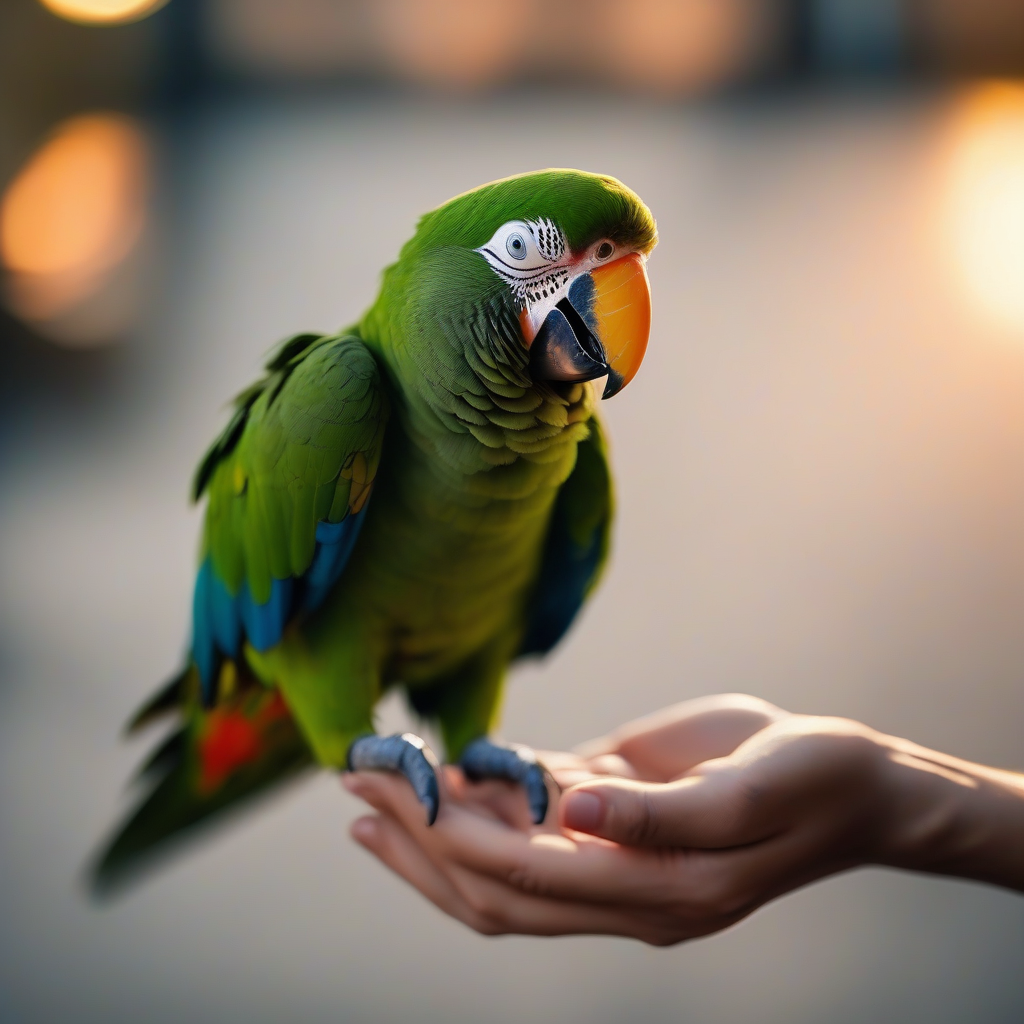
In this article, you will find comprehensive information on how to overcome 'mental blocks' in your bird's training process using scientific methods, and how to enhance your training success by building a deeper bond.


Discover the neurobiological signals of hidden stress your newly adopted cat experiences during adaptation to a new social environment. This article reveals 5 insidious signs of your cat's silent struggle and scientific strategies for peaceful, long-term harmony.

Your dog's anal sacs, located beneath the tail, can be hidden alarm bells often overlooked but profoundly affecting their quality of life. In this article, you will discover the 5 insidious neurobiological effects of anal sac problems on the brain and the lifesaving care secrets you need to know for your furry friend to live a peaceful life.
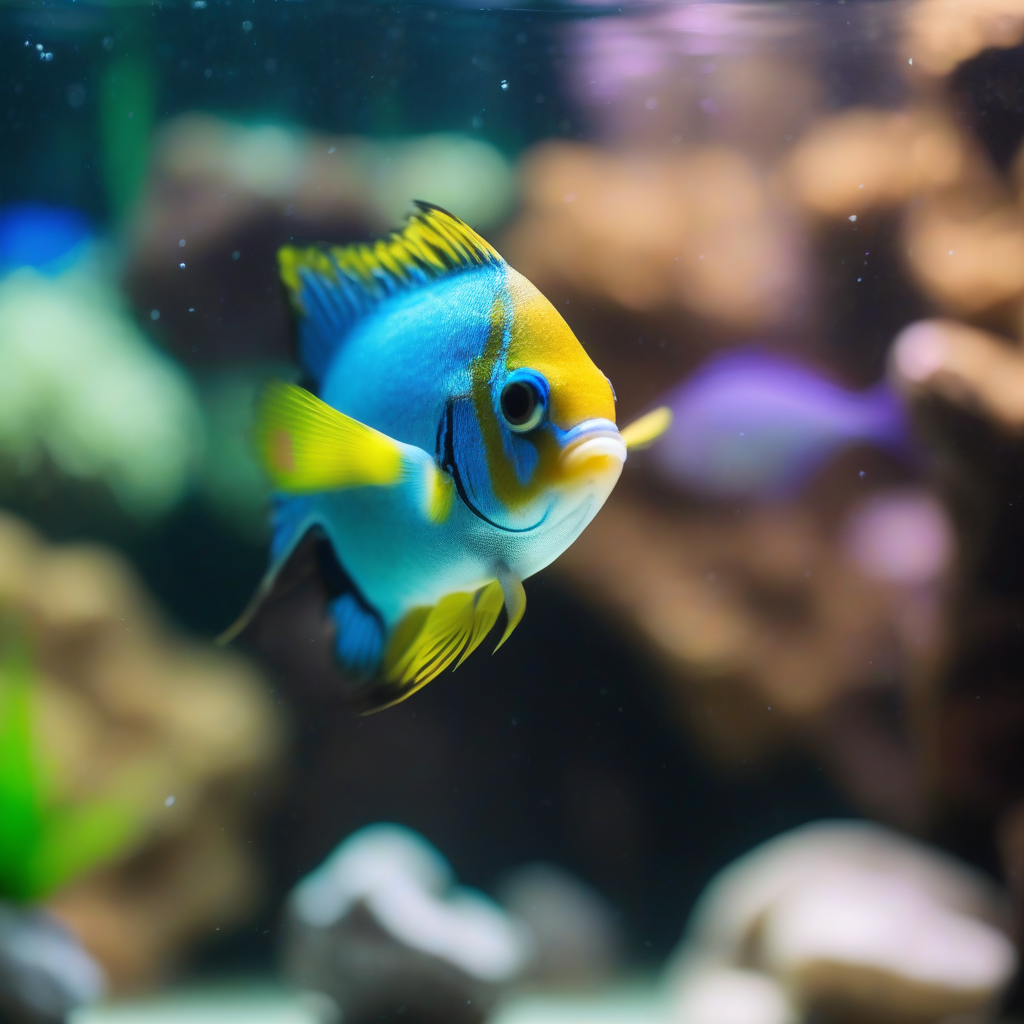
In this article, you will find comprehensive information on the insidious neurotoxic effects of heavy metal poisoning in aquarium fish, its symptoms, and lifesaving emergency intervention codes. This condition, which can arise from household water sources, improper equipment, or neglect, can severely threaten your fish's quality of life and lifespan.
Every moment you spend with your bird holds unique potential for communication and learning. However, sometimes, despite the most patient efforts, you might hit a 'wall' in the training process. Refusal to follow commands, difficulty learning a new trick, or simply a lack of focus – these situations can often be the result of a complex set of factors we refer to as 'mental blocks.' As veterinary content strategists, we are here to understand the scientific reasons behind these blocks and to explore ways to overcome these obstacles by building a deeper, more meaningful bond with your feathered friend.
Pet birds are far more intelligent and sensitive than you might realize. Their resistance to training is often not a sign of 'stubbornness,' but rather an indication of an underlying need, fear, or misunderstanding. In this article, we will provide practical, science-backed strategies to maximize your bird's learning capacity and strengthen the bond between you and your companion.
There can be many reasons why your bird might not be progressing in training. Correctly diagnosing these reasons is key to finding a solution. These often-overlooked factors can profoundly affect your bird's cognitive and emotional state.
For a bird, trust is the foundation of all training. Past negative experiences, improper handling, or simply insufficient socialization after adoption can create a deep sense of distrust in your bird. A lack of trust can make your bird unreceptive to new commands or your approaches. This is particularly common in rescued birds or individuals who have been neglected. Rebuilding trust is a process that requires patience and consistency, and it is often the most challenging yet most rewarding part of training. Taking the right steps during the initial introduction lays the groundwork for your future training success. For more information, you can refer to our article: Your First Introduction to Your Bird: Scientific Secrets to Earning Your Feathered Friend's Trust (2026).
Your bird's living environment has a direct impact on its mental health and ability to learn. An inadequately sized cage, a boring living space, inappropriate toys, or the inability to display natural behaviors can lead to stress and cognitive stagnation in your bird. Birds living in an unenriched environment may struggle to focus and be reluctant to respond to your training efforts. Arranging the environment to satisfy your bird's natural instincts plays a critical role in preventing mental blocks. Your Bird's Invisible Architect: Secrets of Cage Layout and Strategic Enrichment Satisfying Natural Instincts will guide you in this regard.
Fear-based or punitive training methods undermine your bird's trust in you and stifle its desire to learn. Birds perform best with positive reinforcement-based training. Incorrect timing, lengthy, or boring training sessions can also create a block. It's important to remember that every bird has its own unique learning pace and style. Approaching training as a game will increase motivation.
Overcoming mental blocks is possible by implementing the right strategies. These scientifically proven methods will help you optimize your bird's learning potential.
Positive reinforcement is the most effective training method, increasing the likelihood of a desired behavior by rewarding it. By rewarding every successful attempt (even small ones), you create a positive learning cycle for your bird. Breaking down training goals into very small, manageable steps ('micro-steps' or 'shaping') boosts your bird's sense of accomplishment and reduces frustration. For example, for the 'step up' command, first reward your bird for touching its foot to the object, then for lifting a toe, and finally for fully stepping up.
Your bond with your bird is crucial at every stage of training. A calm tone of voice, gentle movements, regular interaction, and simply spending comfortable time together reinforces trust. Understanding your bird's body language and being responsive to its needs deepens your communication. If your bird is experiencing emotional difficulties like separation anxiety, this can also affect its training ability. To overcome such emotional blocks, you can benefit from our article: Your Bird's Invisible Cry: Scientific Solutions for Separation Anxiety and Loneliness.
An enriched living environment ensures your bird remains mentally active and happy. Toys with different textures, perches, chewable materials, and puzzle toys develop your bird's problem-solving skills and prevent boredom. A mentally stimulated bird will be more receptive to training. Exercises designed to boost cognitive capacity can work wonders in overcoming training blocks. Our content Unlocking 'Invisible Intelligence' Exercises in Birds: How to Maximize Your Feathered Friend's Cognitive Capacity Through Environmental Enrichment provides detailed information on this topic.
Birds communicate through complex body language. Your bird's squinting eyes, ruffled feathers, posture, or vocalizations indicate its current emotional state and how open it is to learning. Correctly reading these signals helps you optimize your training sessions and avoid pushing your bird beyond its limits. A bird that feels relaxed and safe will be much more eager to learn new things.
Training is not just about teaching commands; it's also a powerful way to build a deep bond with your bird. Training increases trust, improves communication, and strengthens mutual understanding. Overcoming your bird's mental blocks allows you to connect with it on a deeper level. This goes beyond mere 'trick performance' and enables you to discover your feathered friend's personality, intelligence, and emotional depth.
Remember, every bird is unique. A strategy that works for one may not work for another. Be patient, be consistent, and most importantly, be sensitive to your bird's individual needs and personality traits. Seeking professional support from your veterinarian or a bird behavior specialist can guide you when you encounter difficulties. This journey of learning and bonding with your bird will be incredibly enriching for both of you.
