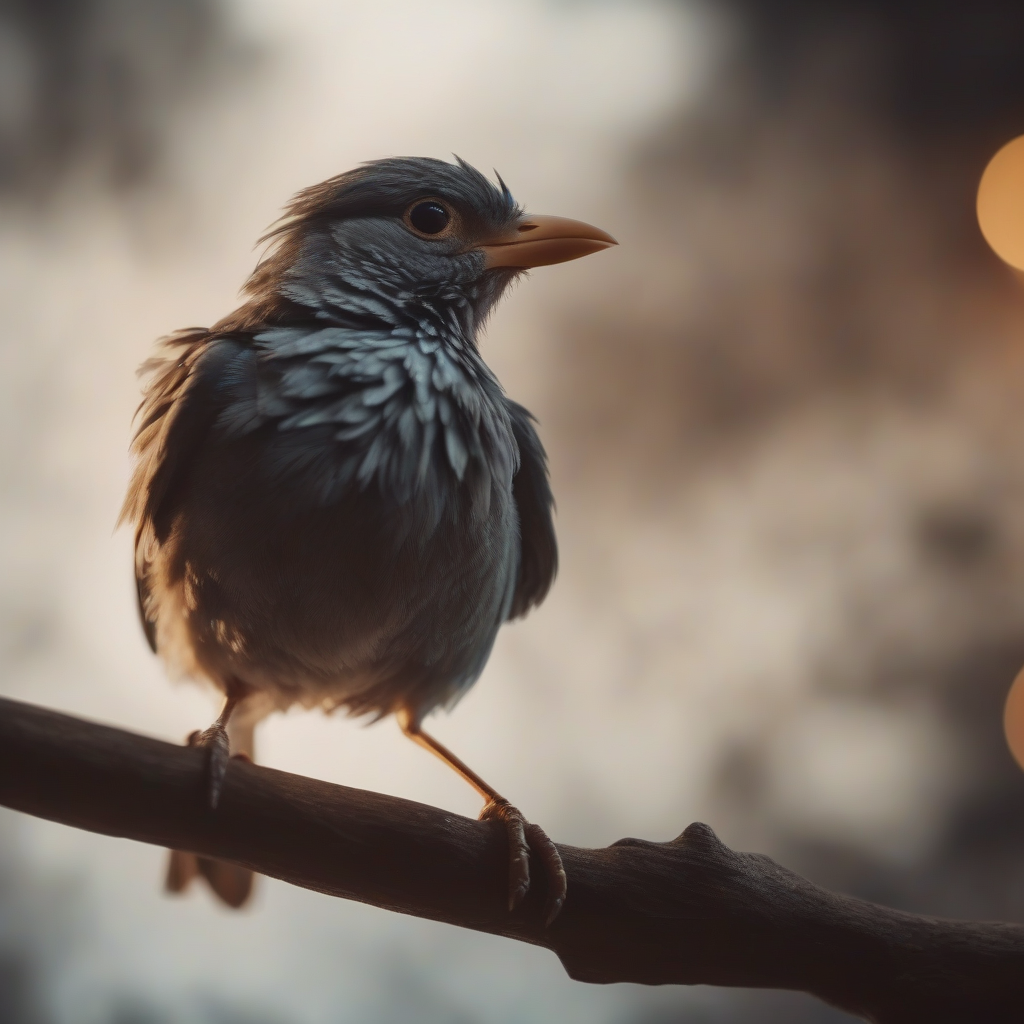
In this article, we address loneliness and separation anxiety in pet birds, a common yet often overlooked issue. Discover how to understand your feathered friend's silent cries, the scientific causes behind this condition, and professional management strategies that enhance their quality of life.


Discover the neurobiological signals of hidden stress your newly adopted cat experiences during adaptation to a new social environment. This article reveals 5 insidious signs of your cat's silent struggle and scientific strategies for peaceful, long-term harmony.

Your dog's anal sacs, located beneath the tail, can be hidden alarm bells often overlooked but profoundly affecting their quality of life. In this article, you will discover the 5 insidious neurobiological effects of anal sac problems on the brain and the lifesaving care secrets you need to know for your furry friend to live a peaceful life.
In this article, you will find comprehensive information on the insidious neurotoxic effects of heavy metal poisoning in aquarium fish, its symptoms, and lifesaving emergency intervention codes. This condition, which can arise from household water sources, improper equipment, or neglect, can severely threaten your fish's quality of life and lifespan.
Pet birds are unique companions that bring joy into our lives with their intelligence and social nature. However, their rich inner world also makes them highly susceptible to loneliness and separation anxiety. Many bird owners may not be aware of the stress their feathered friends endure when left behind. As of March 2026, the latest research in pet psychology indicates that separation anxiety in birds is not merely "being spoiled," but rather a serious condition stemming from deep emotional and cognitive needs. In this article, we will explore how to understand your bird's silent cries, the scientific reasons behind separation anxiety, and professional strategies you can implement to manage this sensitive condition.
Separation anxiety is the extreme stress a bird experiences when separated from its primary caregiver or another animal it perceives as a flock member. Loneliness, on the other hand, is prolonged emotional deprivation resulting from a lack of social interaction. These two conditions often intertwine and can lead to noticeable changes in your bird's behavior.
Key Symptoms You Might Observe in Your Bird:
Recognizing these symptoms is the first step to understanding your bird's silent communication. Remember, these behaviors are often a cry for help.
There are numerous evolutionary, genetic, and environmental factors behind birds developing separation anxiety:
Most birds live in flocks in nature. This means the fear of being alone is deeply connected to survival instincts. Being separated from the flock means being vulnerable to predators or deprived of food sources. For a pet bird, you are its "flock" or "mate." Your absence triggers this instinctive fear.
Certain bird species, such as parrots, possess very high cognitive capacities. They can solve problems, learn, and form complex social bonds. This high intelligence allows them to form deep emotional connections, but it also causes them to experience more intense anxiety when these bonds are severed or threatened. Birds separated early from their parents or siblings, especially at a young age, may tend to develop insecure attachment styles.
Environmental factors such as moving to a new home, changing the cage's location, introducing a new pet, or sudden changes in the owner's work schedule can disrupt the bird's routine and sense of security, triggering anxiety. If the cage environment is not properly arranged, as mentioned in the article Your Bird's Invisible Architect: Secrets of Cage Layout and Strategic Enrichment Satisfying Natural Instincts, it can also increase anxiety.
Reducing your bird's separation anxiety requires a multifaceted approach involving patience and consistency.
A bored bird is more prone to anxiety. Ensuring your bird remains mentally and physically active is essential. Offer a variety of toys, perching areas, puzzle feeders, and chewable materials. Especially when you are absent, leave new, engaging toys that will capture its interest. Maximize your bird's cognitive capacity by applying the methods found in the article Unlocking 'Invisible Intelligence' Exercises in Birds: How to Maximize Your Feathered Friend's Cognitive Capacity Through Environmental Enrichment.
Gradually reduce your bird's dependency on you. Start with short periods of absence and slowly increase the duration. Avoid grand farewells or greetings when leaving or returning; this can dramatize the situation further. Establishing a consistent daily routine helps your bird know what to expect and reduces uncertainty.
The quality of time you spend with your bird is as important as the quantity. Build a strong, positive bond through games, training sessions, and gentle interactions. Strategies from the article Your First Introduction to Your Bird: Scientific Secrets to Earning Your Feathered Friend's Trust (2026) will help strengthen this bond. Make it feel that you are a trusted leader, not its "only source of entertainment."
Your bird's overall health has a direct impact on its mood. A balanced and nutritious diet can help reduce anxiety levels. The information in the article Hidden Nutritional Crypts in Birds: 5 Vital Components Beyond Seed Diets to Maximize Metabolic Health particularly emphasizes the importance of nutrition. It should not be forgotten that any health problem can be at the root of behavioral issues, especially feather plucking. Therefore, articles like Bird Feather Care Secrets: Health and Behavioral Tips Beyond Shiny Plumage can also help you investigate the physical causes of behavioral problems.
If your bird's anxiety persists despite implementing the above strategies, do not hesitate to seek help from an avian veterinarian or a certified bird behavior specialist. A veterinarian can rule out any underlying medical causes and recommend behavior modification programs or medication if necessary.
Preventing separation anxiety before it starts is easier than treating it.
Conclusion
Your bird's loneliness and separation anxiety can be a sign of its deep attachment to you. However, this condition can negatively affect the quality of life for both you and your feathered friend. With scientific strategies and a patient approach, you can alleviate your bird's emotional distress and offer it a more independent and happy life. Remember, a healthy bird is a happy bird, and its happiness begins with its mental well-being.
