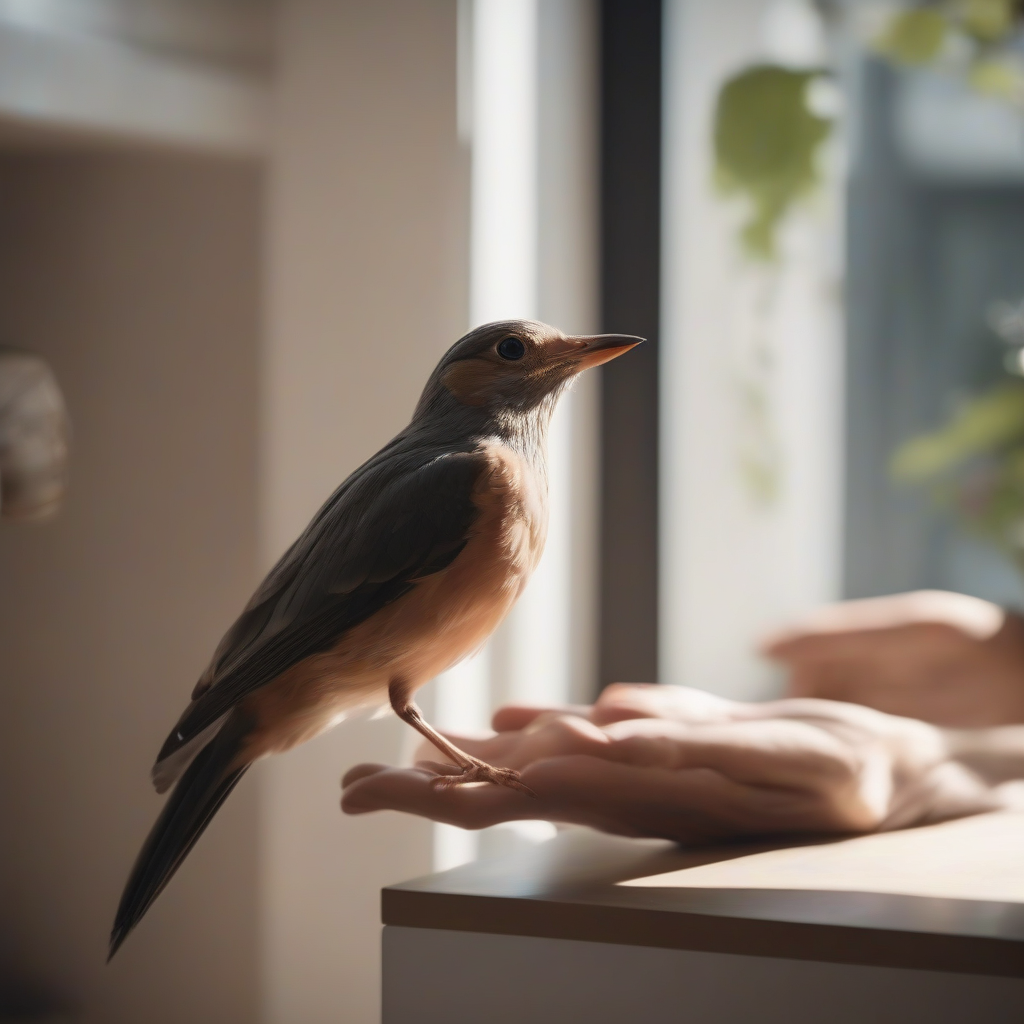
In this article, you will find scientifically based tips and strategies to lay the foundation for a strong friendship with your new bird. Discover what to pay attention to as you step into your bird's world.


Discover the neurobiological signals of hidden stress your newly adopted cat experiences during adaptation to a new social environment. This article reveals 5 insidious signs of your cat's silent struggle and scientific strategies for peaceful, long-term harmony.

Your dog's anal sacs, located beneath the tail, can be hidden alarm bells often overlooked but profoundly affecting their quality of life. In this article, you will discover the 5 insidious neurobiological effects of anal sac problems on the brain and the lifesaving care secrets you need to know for your furry friend to live a peaceful life.
In this article, you will find comprehensive information on the insidious neurotoxic effects of heavy metal poisoning in aquarium fish, its symptoms, and lifesaving emergency intervention codes. This condition, which can arise from household water sources, improper equipment, or neglect, can severely threaten your fish's quality of life and lifespan.
As of March 2026, pet adoption trends are evolving towards more conscious and patient approaches. Especially when it comes to bird adoption, given the sensitive nature and complex social structures of these charming creatures, the initial introduction process is of vital importance. Remember, this process is an adaptation for your bird as much as it is for you. As highlighted in articles like Your Bird's Hidden Sensitivities: 5 Critical Care Tips Beyond Feather Molting (2026), every creature comes with sensitivities, and understanding these is the first step to bonding.
The moment you bring your bird home signifies a major change for them. New surroundings, new sounds, new smells... To reduce this overwhelm, first place your bird's cage in a quiet and calm room. If possible, keep it away from other pets (like dogs; as in Your Dog's Invisible Enemy: Silent Symptoms of Chronic Inflammation and Scientific Secrets for Lifespan Health, they can also be sources of stress) and heavy foot traffic. Covering the cage loosely with a light cloth can provide a sense of a safe 'nest' for the first few days. This principle, similar to cat principles in articles like Your Cat's Secret Sanctuaries: Creating Stress-Reducing and Safe Haven Spaces, shows that every creature needs its own safe space.
In the first few days of bringing your bird home, avoid forcing direct interaction. Allow it to observe you. You, too, should watch it from a distance, quietly. Try to understand its behaviors and reactions. Topics like Decoding Your Bird's Language: Unveiling the Unknown Ways to Understand Their Emotional Intelligence Through Body Language and Signals emphasize the importance of this observation process. During the day, approach it calmly, speak to it, but avoid sudden movements. Instead of putting your hand inside the cage, slowly extend your finger and observe its reaction. Remember, as shown in articles like Your First Introduction to Your Rabbit: The Secret Social Codes to Win Your Little Friend's Heart, trust with any creature is earned over time.
One of the most effective ways to build a positive relationship with your bird is by using tasty rewards. Take a treat it likes (e.g., a small piece of fruit or a special bird seed) and offer it towards the cage. It might not want to take it from your hand at first. Be patient. Over time, the positive experiences associated with your hand will increase its trust. This also reminds us of the importance of dietary variety, as discussed in articles like Hidden Nutritional Crypts in Birds: 5 Vital Components Beyond Seed Diets to Maximize Metabolic Health; however, our current focus is on building trust.
Once your bird is accustomed to its cage and more comfortable with you, it's time to allow it to come out of the cage under controlled conditions. This is also an opportunity to introduce it to other members of the household (or other pets, if compatible and secured). However, these introductions should not be rushed and should always be under your supervision. Articles like Hidden Social Networks of Your Aquarium Fish: Unknown Rules and Secrets for a Harmonious Community illustrate how delicate social interactions can be.
Birds can perceive much finer details than humans. Your tone of voice, body language, and even your mood can affect them. By establishing calm, gentle, and consistent communication, you can strengthen the bond between you. Similar to articles like Whispers to Your Dog's Ear: The Secret Language of Communication and Deep Secrets of Emotional Bonds (2026), every creature has its unique communication language, and understanding it is the key to conveying your affection correctly.
Remember, the friendship you build with your bird is a marathon, not a sprint. With patience, understanding, and the right strategies, you can build a wonderful lifelong relationship with your feathered friend. During this process, you can also explore topics like Your Bird's Hidden 'Showman' Personality: Feathered Secrets and Solutions Behind Stage Fright to get to know its unique character more closely.
My bird doesn't want to come out of its cage, what should I do? Be patient. Give it time. You can try placing a favorite treat at the cage opening to pique its curiosity about the outside world. If it seems scared, don't force it.
My bird scratches or bites when it comes to my hand, is this normal? Yes, this can occur during the adaptation to a new environment or when it's scared. By avoiding sudden movements, approaching gently, and using positive reinforcement, you can reduce this behavior. Principles from articles like Why Does Your Hamster Bite? The Secret Key to Building Trust and Socialization After Adoption may also apply to birds.
How long will it take for my bird to get used to me? This varies greatly depending on the bird's species, individual personality, and the methods you employ. Some birds may adapt in a few days, while others may take weeks or months. The key is not to rush and to focus on the process.
