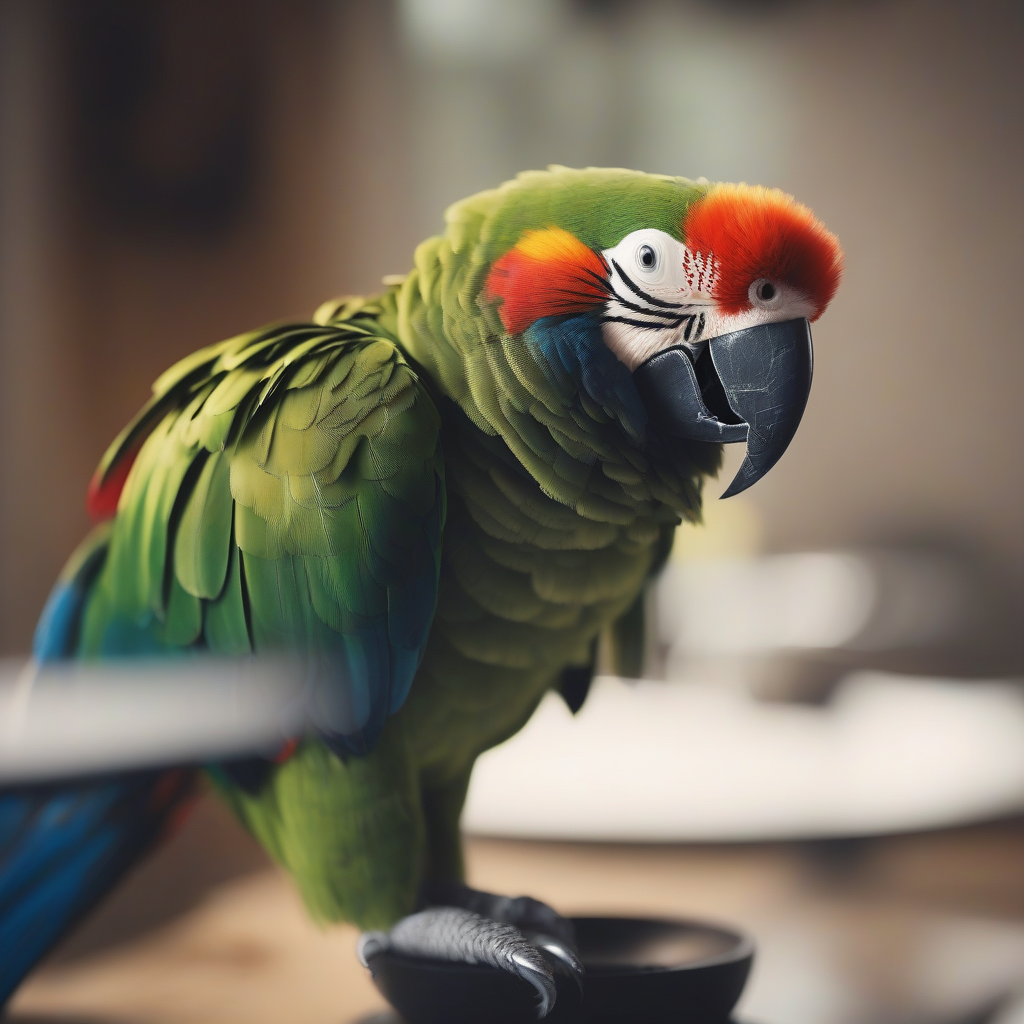
In this article, discover crucial care needs for birds beyond feather molting, including critical tips updated for 2026.


Discover the neurobiological signals of hidden stress your newly adopted cat experiences during adaptation to a new social environment. This article reveals 5 insidious signs of your cat's silent struggle and scientific strategies for peaceful, long-term harmony.

Your dog's anal sacs, located beneath the tail, can be hidden alarm bells often overlooked but profoundly affecting their quality of life. In this article, you will discover the 5 insidious neurobiological effects of anal sac problems on the brain and the lifesaving care secrets you need to know for your furry friend to live a peaceful life.
In this article, you will find comprehensive information on the insidious neurotoxic effects of heavy metal poisoning in aquarium fish, its symptoms, and lifesaving emergency intervention codes. This condition, which can arise from household water sources, improper equipment, or neglect, can severely threaten your fish's quality of life and lifespan.
Pet birds bring joy to our homes with their vibrant plumage, cheerful chirps, and intelligent behavior. However, caring for these fascinating creatures requires a deeper and more comprehensive understanding than just providing food and water. Especially with updated information as of 2026, we will delve into the critical care needs of our birds that often go unnoticed beyond feather molting and how we can manage these sensitivities.
Birds' respiratory systems are fundamentally different and more sensitive than those of mammals. While their unique respiratory mechanism, involving air sacs (sacci pneumatici), allows for efficient oxygen exchange, it also makes them extremely vulnerable to airborne pollutants. Household odors, perfumes, sprays, and even smoke (cigarette, kitchen fumes, candle smoke) can cause severe irritation to birds' respiratory tracts and lead to chronic problems in the long run. While emergency guides like Your Bird's Sudden Respiratory Distress: Lifesaving First Steps and Overlooked Symptoms (March 2026 Emergency Guide) are crucial for responding to such crises, preventive care is far more important.
Birds' feet are the cornerstone for their posture and overall mobility. Not just nail length, but also substrate material, spacing of cage bars, and hygiene directly impact foot health.
Birds' digestive systems host a complex ecosystem. Simply providing quality food is not enough; the balance of beneficial microorganisms in their gut has a significant impact on their overall health, immune system, and even behavior. Articles like Avian Digestive Revolution: Nutritional Secrets to Maximize Gut Health with SCFAs and Prebiotic Fibers (March 2026) highlight the depth of this subject.
Metabolic Bone Disease (MBD) in birds is a serious condition usually caused by Vitamin D and calcium deficiency. Behind the shiny feathers, the skeletal system can weaken, leading to fractures and loss of mobility. Our article Mysterious Metabolic Bone Disease (MBD) in Birds: Unveiling the Secrets of Skeletal Health Through Vitamin D and Calcium Balance details this topic.
Birds are creatures with complex mental and emotional needs. Feather care is not just physical but also an indicator of mental health. Stress, boredom, or lack of attention can lead to excessive feather plucking or feather picking in birds. Our articles Unlocking 'Invisible Intelligence' Exercises in Birds: How to Maximize Your Feathered Friend's Cognitive Capacity Through Environmental Enrichment and Bird Feather Care Secrets: Health and Behavioral Tips Beyond Shiny Plumage shed light on this subject.
In conclusion, the health and well-being of our birds are not limited to food and water. Understanding their unique physiology, sensitivities, and mental needs is key to comprehensive care. By focusing on these critical areas with up-to-date information as of 2026, we can ensure our feathered friends live longer, healthier, and happier lives. Remember to always consult an avian veterinarian for any concerns.
