
Discover scientifically-backed tips and effective socialization strategies to understand and overcome your newly adopted hamster's biting behavior, fostering a strong bond in this comprehensive guide.


Discover the neurobiological signals of hidden stress your newly adopted cat experiences during adaptation to a new social environment. This article reveals 5 insidious signs of your cat's silent struggle and scientific strategies for peaceful, long-term harmony.

Your dog's anal sacs, located beneath the tail, can be hidden alarm bells often overlooked but profoundly affecting their quality of life. In this article, you will discover the 5 insidious neurobiological effects of anal sac problems on the brain and the lifesaving care secrets you need to know for your furry friend to live a peaceful life.
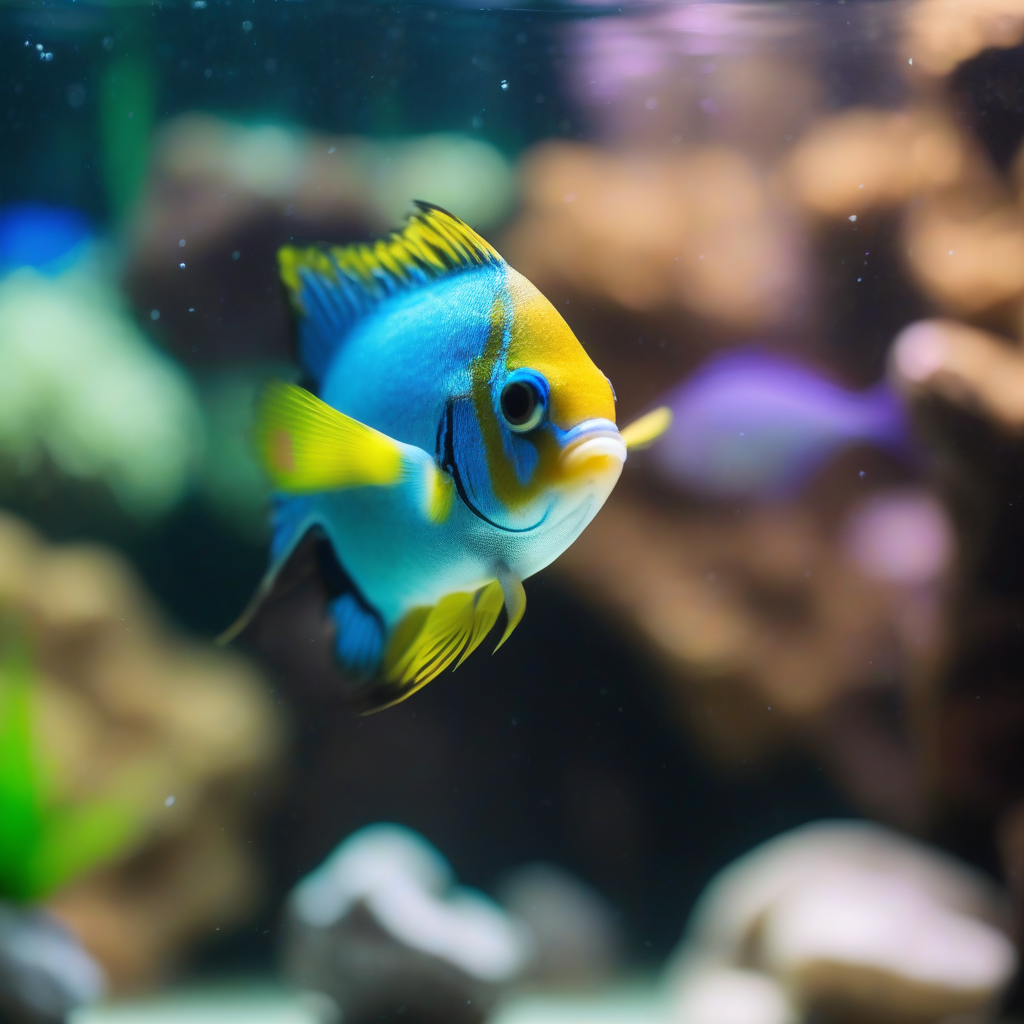
In this article, you will find comprehensive information on the insidious neurotoxic effects of heavy metal poisoning in aquarium fish, its symptoms, and lifesaving emergency intervention codes. This condition, which can arise from household water sources, improper equipment, or neglect, can severely threaten your fish's quality of life and lifespan.
Adopting a new pet, especially a tiny and adorable hamster, is a source of great excitement. However, sometimes the initial interactions with these tiny friends can take an unexpected turn. Biting behavior, in particular, can be confusing and even frustrating for new owners. Yet, your hamster's biting is usually not an act of aggression, but rather a profound form of communication. In this guide, you will learn to understand why your hamster bites, how to build trust after adoption, and discover effective socialization strategies.
A hamster's biting can stem from many different reasons, and understanding these causes is critical to developing the right approach.
Hamsters are naturally prey animals, and a new, unknown environment can be a significant source of stress for them. Coming to a new home, sudden noises, movements, or unfamiliar scents can make your hamster feel threatened. In such cases, biting emerges as a defense mechanism. Providing them with a safe haven is essential. Creating a living space that offers deep burrowing tunnels and hiding spots, aligning with your hamster's natural instincts, will significantly reduce their stress levels. For more information, you can explore our article on Your Hamster's Secret Underground City.
Hamsters view their cage and the nests within it as their territory. When you suddenly or uninvitedly put your hand into their cage, they may perceive it as an invasion and bite to protect their territory. This is a natural territorial instinct that should be respected.
As rodents, hamsters are programmed to explore their environment through their teeth. Biting an object or your hand to recognize it can sometimes be purely driven by curiosity and exploration. This is a form of 'testing' behavior, and while it can be painful, it's usually not malicious.
The smell of food on your hands or a freshly applied hand cream or soap can lead your hamster to mistake your hand for food. In this situation, the bite might be a 'taste test' or a 'food-related' reflex. Always ensure your hands are clean and scent-free.
Though rare, a hamster suddenly starting to bite can be a sign of pain or discomfort. Especially if they are experiencing dental problems or another internal health issue, they may bite to avoid being touched and to protect themselves. Consulting a veterinarian is important in such cases.
Building a strong bond with your hamster is a process that requires patience, understanding, and the right techniques.
When you bring a new hamster home, allow them the first few days to explore their cage and surroundings without being touched. Let them sense your presence by talking to them in a calm tone. This gives them time to adjust to their new environment and become familiar with your voice.
After a few days, let your hamster sniff your hand before putting it into the cage. Make sure your hand doesn't smell of food and is clean. Getting used to your scent is one of the first steps in building trust. The stress reduction methods discussed in the article Your Rabbit's Secret Emotional World highlight the importance of similar sensitivities when bonding with any pet.
Slowly put your hand into the cage and open your palm, waiting. Let the hamster approach you voluntarily, sniff your hand, and even climb onto your palm. Offering a small treat (a hamster-specific cracker or a small piece of vegetable) during this process will help establish a positive relationship.
Reward your hamster when it doesn't bite or approaches you gently. This is the most effective way to reinforce desired behaviors. Using small treats during each interaction helps them associate your hand with a positive experience.
When you need to pick up your hamster, avoid grabbing it with sudden movements. Gently lift it by placing your palm under its body or by cupping it with both hands. Never scare it by reaching from above or holding it tightly.
Providing safe toys, tunnels, and chewing materials inside the cage allows your hamster to expend energy and stay mentally engaged. A happy and occupied hamster is less likely to bite.
Understanding your hamster's stress signals can help prevent potential biting incidents. Behaviors such as freezing, pinning ears back, trembling, or rapid breathing indicate that it is tense and needs to be left alone. The article The Silent Artists of Your Aquarium Fish can give you insights into understanding behavioral codes in other species.
Building a strong bond with your hamster takes time and consistency. Remember that every hamster has an individual personality. Some socialize faster, while others need more time. As long as you are patient and understanding, you can develop a special and deep friendship with your tiny companion. For tips on bonding after adoption, the article Your Rabbit's Secret Social Intelligence Course can also inspire you.
Remember, biting behavior is often a cry for help or a misunderstanding. With the right approach, you can overcome this challenge, strengthen the bond with your hamster, and ensure they become a joyful companion in your life.
