
In this article, you will discover what chronic low-grade inflammation is, its silent symptoms often overlooked in dogs, and scientific preventive measures you can take to ensure your canine companion lives a long and healthy life.


Discover the neurobiological signals of hidden stress your newly adopted cat experiences during adaptation to a new social environment. This article reveals 5 insidious signs of your cat's silent struggle and scientific strategies for peaceful, long-term harmony.

Your dog's anal sacs, located beneath the tail, can be hidden alarm bells often overlooked but profoundly affecting their quality of life. In this article, you will discover the 5 insidious neurobiological effects of anal sac problems on the brain and the lifesaving care secrets you need to know for your furry friend to live a peaceful life.
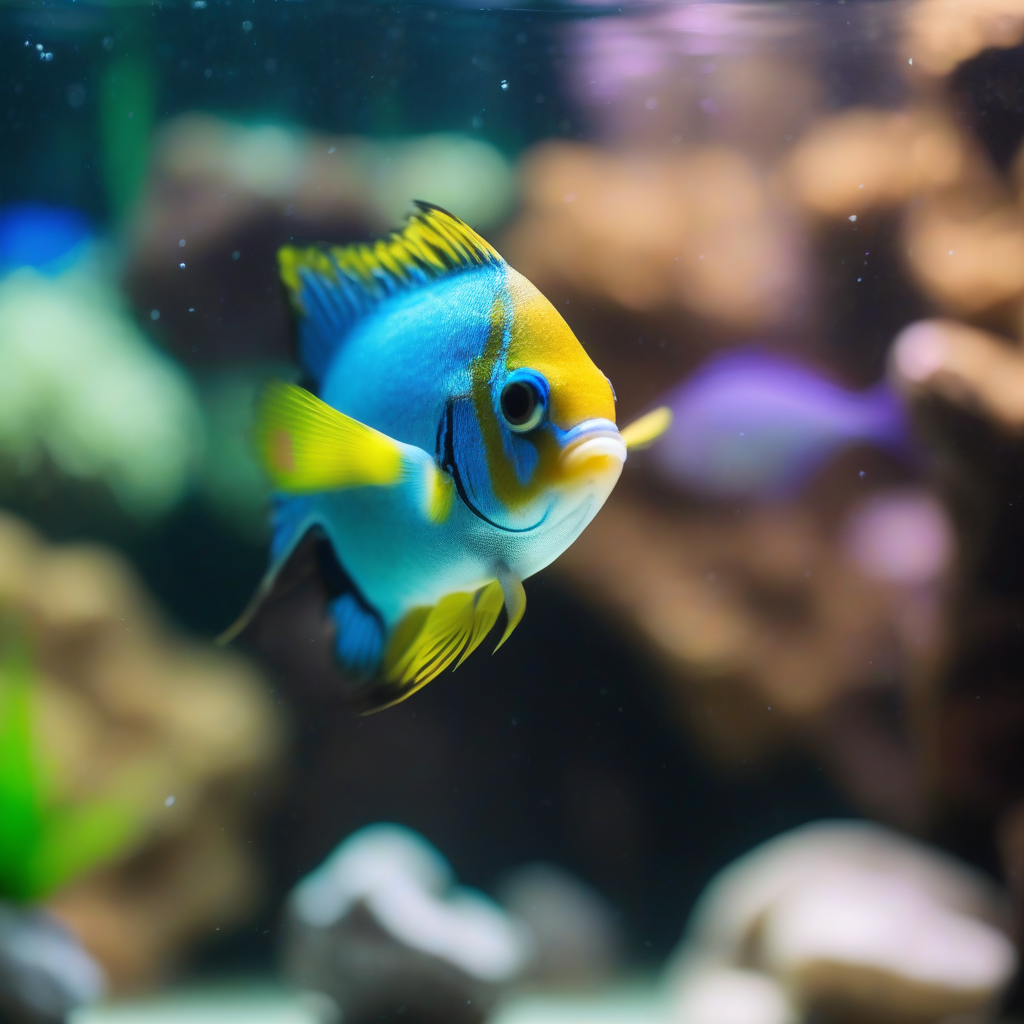
In this article, you will find comprehensive information on the insidious neurotoxic effects of heavy metal poisoning in aquarium fish, its symptoms, and lifesaving emergency intervention codes. This condition, which can arise from household water sources, improper equipment, or neglect, can severely threaten your fish's quality of life and lifespan.
Your dog's joyful demeanor, energetic strides, and loving gaze are indicators of their overall health. However, beneath the surface, a stealthy foe might be lurking: chronic low-grade inflammation. This "silent killer" forms the foundation of many chronic diseases and can severely impact quality of life. As of March 2026, veterinary science is enabling us to better understand the profound effects of inflammation on our beloved companions' health. In this article, we will explore what chronic inflammation is, its often-overlooked symptoms, and the scientific secrets you can implement to ensure your dog lives a long, healthy life.
Inflammation is a vital part of the body's self-protection mechanism. Acute inflammation occurs as a rapid response to an injury or infection, initiating the healing process. However, chronic inflammation means this healing process never fully resolves, and the body remains in a constant state of alert. Because it's low-grade, it initially presents with subtle symptoms and can remain unnoticed for extended periods.
Acute inflammation is a short-term, intense response to situations like cuts, bruises, or infections. Chronic inflammation, on the other hand, can persist for months or even years, causing the immune system to remain mildly active continuously. This sustained activation can lead to tissue damage and organ dysfunction over time.
Chronic inflammation in any part of the body can eventually become systemic. This means inflammation isn't confined to a single area but can spread throughout the body via the bloodstream, affecting internal organs, joints, skin, and even brain function. In the long run, it can pave the way for serious health problems such as diabetes, heart disease, arthritis, kidney disease, certain types of cancer, and cognitive decline.
The signs of chronic inflammation in your dog are often insidious and vague. Consequently, owners frequently attribute them to aging, normal behavioral changes, or other minor issues.
Unexplained lethargy, reluctance to play as much as before, restlessness, irritability, or excessive licking/scratching can be indicators of chronic inflammation. If you notice a subtle decline in your dog's overall mood, it could be an important sign. Tips from our article, Your Dog's Mysterious Mind Map: 5 Scientific Secrets to Develop Problem-Solving Skills, can help you understand your dog's cognitive state.
Recurring hot spots, a dull and lifeless coat, excessive shedding, or constant itching can be external manifestations of inflammation. These conditions are often solely attributed to allergies, yet an underlying systemic inflammatory process might be at play.
Occasional vomiting, soft stools, poor appetite, or gas can be signs of ongoing inflammation in the gut. The gut microbiome significantly influences the overall inflammatory state. For more information, you can refer to our article, Your Dog's Hidden Digestive Issues: Secrets to Healing Autoimmune Diseases Through Nutrition (March 2026).
If there's no apparent reason for weight gain or loss, this could also be an indication that inflammation is affecting metabolism. Adiposity, particularly around the abdomen, is associated with the production of inflammatory molecules.
Symptoms such as difficulty getting up in the mornings, reluctance to go up or down stairs, or less movement during play can be early signs of chronic inflammation in the joints. This can eventually progress to osteoarthritis.
If your dog shows physical or cognitive decline faster than expected for their age, it could be linked to the destructive effects of chronic inflammation on cells and tissues. For example, problems with focus or disinterest in their surroundings can also be related to Mysterious Dementia (CCD) in Dogs: Scientific Secrets to Keeping Your Aging Friend's Mind Sharp.
Chronic inflammation doesn't have a single cause; it's often a combination of lifestyle, genetic, and environmental factors.
Diets high in processed kibble, trans fats, excessive Omega-6 fatty acids, and potential allergens (grains, certain proteins) can trigger inflammation. Our article, Dog Food Facts: Grain-Free vs. Gluten-Free? The Deep Secrets of Your Pet's Nutritional Needs, can guide you in making the right food choices.
Environmental toxins like household cleaning products, pesticides, air pollution, cigarette smoke, and heavy metals can lead to oxidative stress and inflammation in your dog's body.
Prolonged stress causes an increase in stress hormones like cortisol, which weakens the immune system and triggers inflammation. A lack of adequate enrichment, loneliness, or overstimulation can lead to chronic stress. To create safe spaces where your companion can relax, refer to our content: Your Dog's Secret Sanctuaries: Creating Stress-Reducing and Safe Haven Spaces.
Excess adipose tissue acts like an active endocrine organ, producing pro-inflammatory cytokines and contributing to a constant state of inflammation in the body.
Undiagnosed chronic conditions such as hidden dental infections, urinary tract infections, parasites, or autoimmune diseases can also perpetuate low-grade inflammation in the body.
There are proactive steps you can take to support your dog in their fight against chronic inflammation.
Proper nutrition is fundamental to managing inflammation.
Reduce your dog's exposure to toxins. Use natural cleaning products at home, avoid chemical pesticides in your garden, and ensure good ventilation to improve air quality.
Regular and appropriate exercise, mental games, adequate social interaction, and a safe living environment can reduce stress, breaking the inflammation cycle.
Maintaining a healthy weight significantly reduces the inflammatory burden caused by adipose tissue. Consult your veterinarian to determine the ideal weight and create a suitable diet and exercise plan.
Early diagnosis saves lives. During routine vet visits, inflammatory markers like CRP (C-reactive protein) or SAA (Serum Amyloid A) can be checked in blood tests. These tests can help detect the presence of inflammation before obvious symptoms appear.
Under your veterinarian's guidance, natural anti-inflammatory supplements like curcumin, boswellia, green-lipped mussel, or probiotics can be used. However, not every supplement is suitable for every dog and always requires professional guidance.
Your dog's battle with chronic inflammation requires keen observation and proactive approaches. Understanding the silent symptoms, knowing the root causes, and implementing scientific prevention strategies are key to your companion living a longer, happier, and healthier life. Remember, even the smallest change can be significant. Never hesitate to consult your veterinarian if you have any doubts. Their guidance is the most accurate step you can take for your dog's health.
