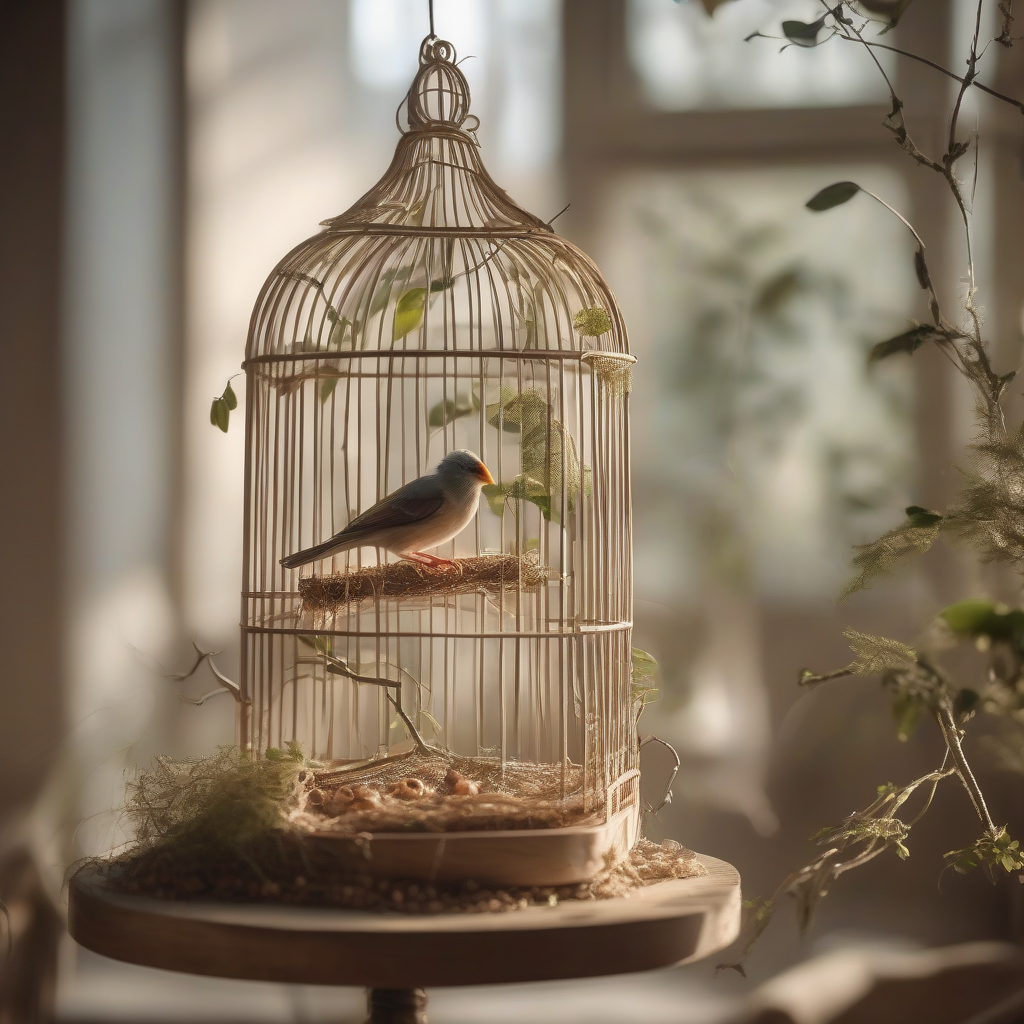
In this article, you will discover the secrets of cage layout and strategic environmental enrichment that best satisfy your bird's natural instincts and support its physical and mental health.


Discover the neurobiological signals of hidden stress your newly adopted cat experiences during adaptation to a new social environment. This article reveals 5 insidious signs of your cat's silent struggle and scientific strategies for peaceful, long-term harmony.

Your dog's anal sacs, located beneath the tail, can be hidden alarm bells often overlooked but profoundly affecting their quality of life. In this article, you will discover the 5 insidious neurobiological effects of anal sac problems on the brain and the lifesaving care secrets you need to know for your furry friend to live a peaceful life.
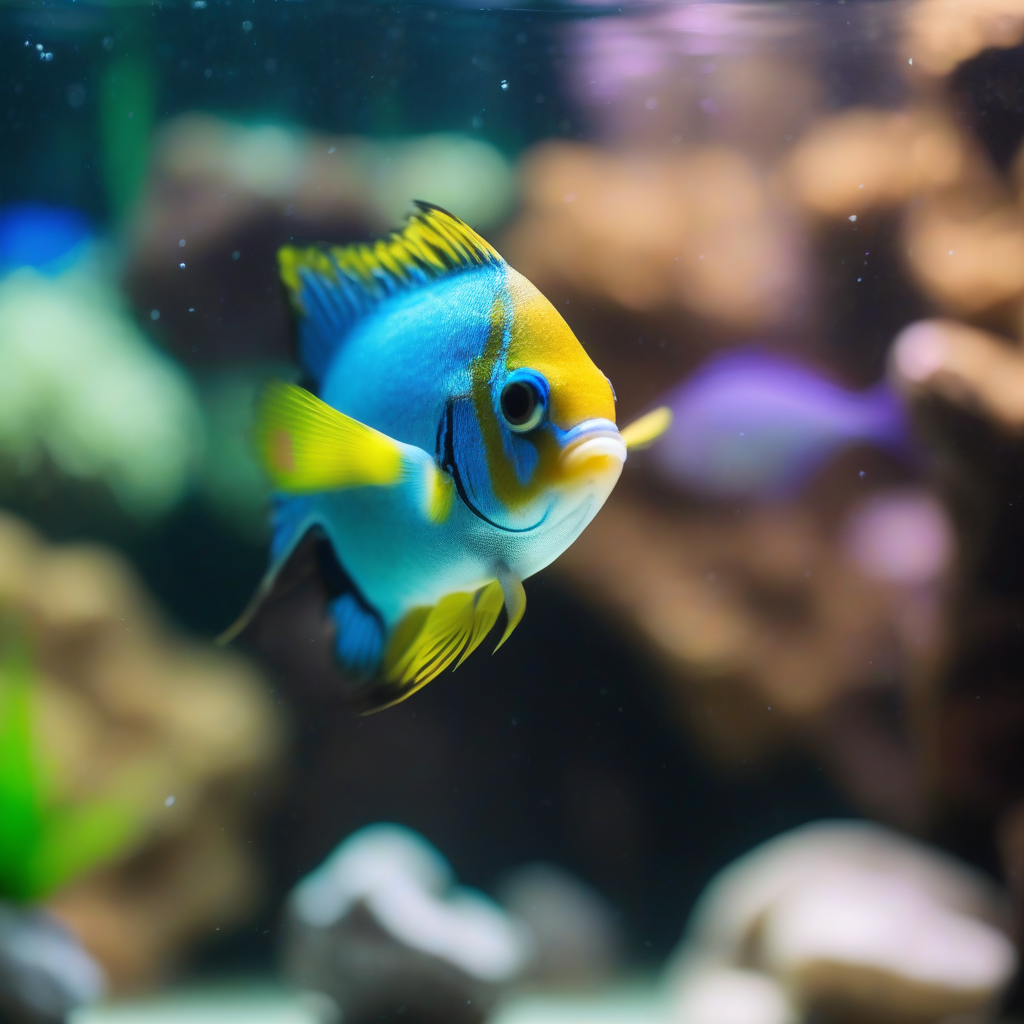
In this article, you will find comprehensive information on the insidious neurotoxic effects of heavy metal poisoning in aquarium fish, its symptoms, and lifesaving emergency intervention codes. This condition, which can arise from household water sources, improper equipment, or neglect, can severely threaten your fish's quality of life and lifespan.
The cage is much more than just a "place" for your feathered friend; it's their entire world, playground, sanctuary, and source of life. However, often bird owners may overlook their birds' natural instincts and species-specific behavioral needs, thinking of the cage as merely shelter. Yet, the layout of your cage and its enrichment elements profoundly impact everything from your bird's physical health to mental sharpness, stress levels, and happiness. Correctly establishing this invisible architecture is key to strengthening your bond with your bird and ensuring its lifelong well-being.
Even domesticated birds possess strong instincts inherited from their wild ancestors. These instincts are part of their survival and propagation strategies and must be satisfied in a caged environment.
In their natural habitats, birds fly, climb, and explore their surroundings over vast areas. No matter how large the cage, it's challenging to fully mimic these natural behaviors. However, proper utilization of vertical and horizontal spaces within the cage can help your bird partially meet these needs. Perches at different heights, climbing ladders, or ropes allow your bird to exercise its muscles and develop balance skills. This is crucial not only for physical health but also for mental well-being by preventing boredom. Especially when adopting a new bird, providing a safe and enriched starting environment lays the foundation for your bond. For more information, you can check our article: Your First Introduction to Your Bird: Scientific Secrets to Earning Your Feathered Friend's Trust (2026).
Birds' beaks grow continuously, and in their natural environment, they wear down by chewing on tree bark, branches, and other plant materials. If this opportunity isn't provided in a cage environment, the beak can overgrow, leading to serious health issues. Therefore, providing your bird with safe, chewable toys, natural branches, and minerals is vital. This is not only for beak health but also a source of mental satisfaction. Chewing activity reduces stress and provides a natural behavioral outlet. For an in-depth analysis of beak problems, please see our article Your Bird's "Invisible" Pain: Hidden Signals of Beak Problems and Lifesaving Care Secrets.
In the wild, birds spend hours searching for food. This keeps them mentally active. Simply feeding from a food dish in a cage dulls this natural instinct and leads to boredom. By using foraging toys or methods to hide food, you can encourage your bird to mimic natural foraging behavior. This enhances their cognitive skills and makes their day more meaningful.
Designing your cage layout to mimic your bird's natural environment maximizes its well-being.
When designing a bird cage, it's crucial to utilize vertical space efficiently. Sleeping high up, eating lower down, and exploring the ground are natural bird behaviors. Perches, ladders, and platforms placed at different heights create various "layers" for your bird to choose from. This provides both physical exercise and gives them a greater sense of control over their environment.
Monotonous perches can create pressure points on your bird's feet, leading to pain and even pododermatitis (foot sores). Using perches of different diameters, materials (natural branches, cotton rope, mineral perches), and textures allows different foot muscles to work and promotes blood circulation. Avoid plastic or sandpaper-covered perches. You can learn how critical your bird's foot health is from our article Your Bird's Invisible Foundations: Silent Dangers of Foot Health and Lifesaving Care Secrets.
Environmental enrichment is the most effective way to boost your bird's mental stimulation and physical activity. You can keep your bird's brain active by providing toy rotation, materials of different textures, puzzle toys, and interactive games. This not only prevents boredom but can also deter unwanted behaviors such as feather plucking. Remember, our article Unlocking 'Invisible Intelligence' Exercises in Birds: How to Maximize Your Feathered Friend's Cognitive Capacity Through Environmental Enrichment will inspire you in this regard.
Birds need sanctuaries to feel safe. By furnishing one corner of the cage with plants (safe species), a cover, or an enclosed box, you create an area where your bird can retreat, rest, and feel secure. This plays a critical role in reducing stress and increasing overall well-being. Excessive stress can also be linked to issues such as those discussed in Your Bird's Hidden Sensitivities: 5 Critical Care Tips Beyond Feather Molting (2026).
Even small errors in cage arrangement can negatively impact your bird's health and happiness.
Arranging your bird's cage with the meticulousness of a scientist, the sensitivity of an artist, and the empathy of a nature lover means becoming its "invisible architect." Remember, every bird is unique; so observe, learn, and continuously improve its living space according to its needs. This attentive approach will ensure your feathered friend lives a long, happy, and healthy life.
