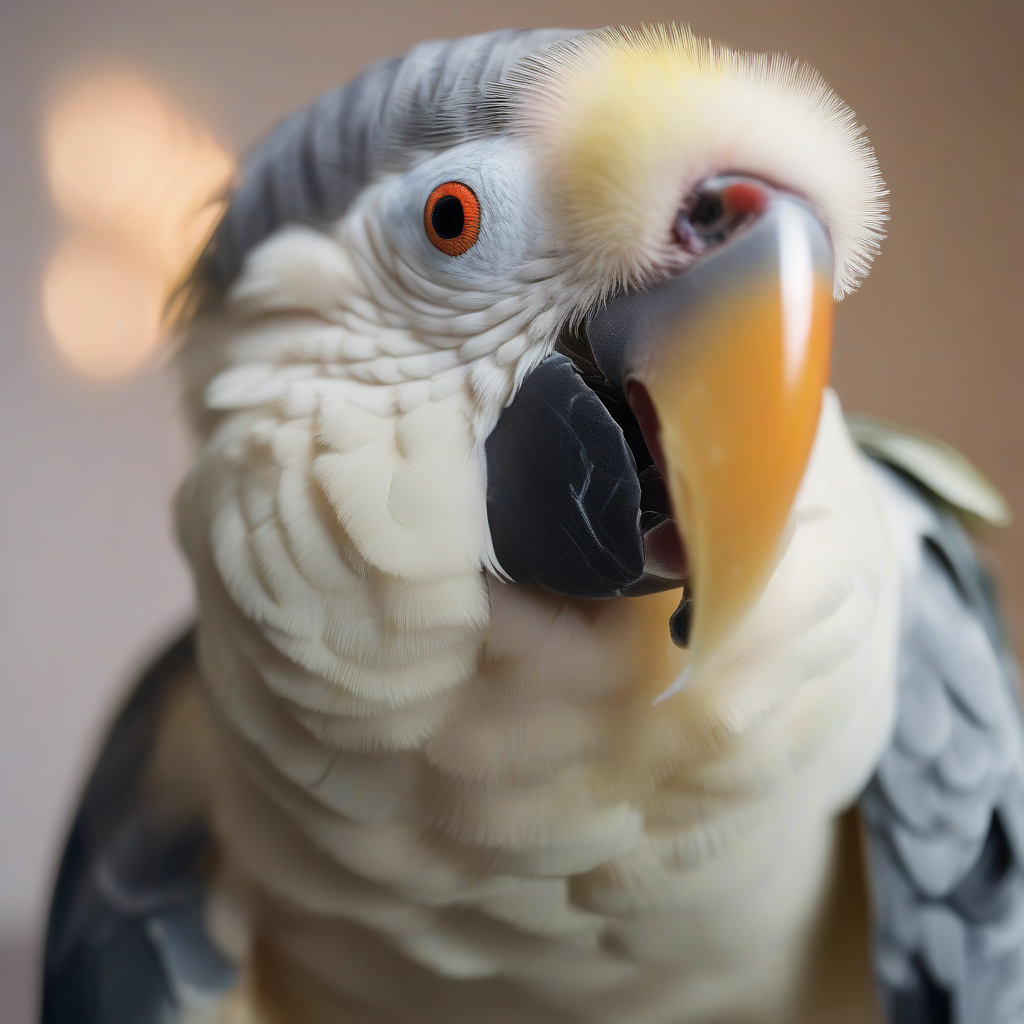
Your bird's beak health is vital for its overall well-being. In this article, discover how to recognize overlooked beak problems and critical care strategies that will extend your feathered friend's lifespan.


Discover the neurobiological signals of hidden stress your newly adopted cat experiences during adaptation to a new social environment. This article reveals 5 insidious signs of your cat's silent struggle and scientific strategies for peaceful, long-term harmony.

Your dog's anal sacs, located beneath the tail, can be hidden alarm bells often overlooked but profoundly affecting their quality of life. In this article, you will discover the 5 insidious neurobiological effects of anal sac problems on the brain and the lifesaving care secrets you need to know for your furry friend to live a peaceful life.
In this article, you will find comprehensive information on the insidious neurotoxic effects of heavy metal poisoning in aquarium fish, its symptoms, and lifesaving emergency intervention codes. This condition, which can arise from household water sources, improper equipment, or neglect, can severely threaten your fish's quality of life and lifespan.
Birds are among nature's most delicate and captivating creatures. Their health is directly linked to the attention given to details. An often-overlooked yet vitally important area is beak care. A bird's beak is a versatile tool used not only for eating but also for climbing, playing, communicating, and defending themselves. Any problem with the beak can seriously affect your feathered friend's quality of life. So, how do you recognize these "invisible" sources of pain and implement lifesaving care secrets?
The basic structure of a bird's beak consists of a bony core covered with a strong protein called keratin. Like our nails, this structure grows continuously and maintains its shape through natural wear and tear. However, improper nutrition, unsuitable living environments, or genetic factors can lead to overgrowth or deformities of the beak. A healthy beak directly influences your bird's ability to properly consume food, interact with its environment, and even its general mood. The beak is an indispensable organ for a bird's survival and well-being.
Problems with your bird's beak may not always be obvious. In fact, your feathered friend is quite adept at hiding problems. Here are some "invisible" signals to watch out for:
If your bird is struggling to pick up seeds, dropping food, or having difficulty eating as it used to, this could be a sign of a beak problem. Difficulty breaking hard seeds or an inability to open its mouth fully are symptoms of malocclusion (beak misalignment) or overgrowth. If your bird cannot properly grind its food, it can lead to digestive issues and malnutrition.
Less playing, lethargy in the cage, refusal to preen, or constant attempts to rub its beak against a surface can indicate pain or discomfort. A bird experiencing pain may become more withdrawn or avoid activities it normally enjoys. Beak-related problems can also overlap with general sensitivity signs mentioned in the article Your Bird's Hidden Sensitivities: 5 Critical Care Tips Beyond Feather Molting (2026).
Discoloration, flaking, cracks, or abnormal growths can be symptoms of serious health issues such as vitamin deficiencies (especially vitamin A) or fungal infections. If the beak, which should normally be smooth and symmetrical, has an abnormal texture, a veterinarian should be consulted immediately. Lines or indentations on the beak can also indicate nutritional deficiencies or systemic diseases.
Swelling at the base of the beak or around the nostrils (nares) may indicate infection or trauma. These conditions can cause severe pain and may require urgent veterinary intervention.
Being proactive is essential for protecting your bird's beak health. Here are fundamental strategies you can implement:
Nutrition plays a key role in beak health. Seed-only diets are insufficient and can lead to many deficiencies. Adding fresh vegetables and fruits, pelleted feeds, and mineral blocks to your bird's diet helps its beak wear down naturally and provides essential vitamin/mineral support. Calcium and Vitamin D3, in particular, are vital for maintaining a strong beak structure. Remember, we discussed the importance of nutrition in our article Seed Diet Traps: 5 Hidden Nutritional Crypts That Will Reprogram Your Bird's Digestive System. Inadequate nutrition can degrade beak quality, making it brittle or leading to abnormal growths.
Providing natural wooden perches, mineral blocks, cuttlebone, and special beak stones in the cage allows your bird to naturally trim its beak. This prevents overgrowth and satisfies your bird's natural chewing behavior. Toys of various textures and hardness also contribute to beak health.
Observing your bird daily allows you to notice even the smallest changes in beak structure. Check if its beak is symmetrical, if there are any cracks, discolorations, or signs of overgrowth. Early detection is crucial for successful treatment. It is important to note any suspicious findings and consult a veterinarian.
Appropriate humidity levels are important for beak and feather health, especially for tropical bird species. Dry environments can cause the beak to crack or flake. Regular bathing opportunities or humidifiers can help with this. Good ambient humidity helps the beak tissue maintain its elasticity.
If you observe beak overgrowth, malocclusion, cracks, fractures, or signs of infection in your bird, you should definitely consult a veterinarian. A veterinarian experienced in avian health will establish the correct diagnosis and treatment plan. Professional beak trimming or correction procedures should never be attempted at home, as they can cause bleeding, infection, and permanent damage if done incorrectly. It should be remembered that if beak problems progress, your bird may completely lose its ability to eat, rapidly lose weight and become weak. Such emergencies may require rapid intervention, similar to what's covered in our article Your Bird's Sudden Respiratory Distress: Lifesaving First Steps and Overlooked Symptoms (March 2026 Emergency Guide), but beak problems are usually a more prolonged process requiring careful monitoring.
Paying attention to your bird's beak health is a vital step towards ensuring a long, healthy, and happy life. Understanding the invisible signals and implementing proactive care strategies will enhance your feathered friend's quality of life. Remember, proper nutrition and environmental enrichment form the foundation of beak health. You can support your bird's overall health by keeping your nutritional knowledge up-to-date with articles like Hidden Nutritional Crypts in Birds: 5 Vital Components Beyond Seed Diets to Maximize Metabolic Health. Ensure this vital organ remains in optimal condition with regular veterinary check-ups. It is important to remember that a healthy beak means a happy bird.
