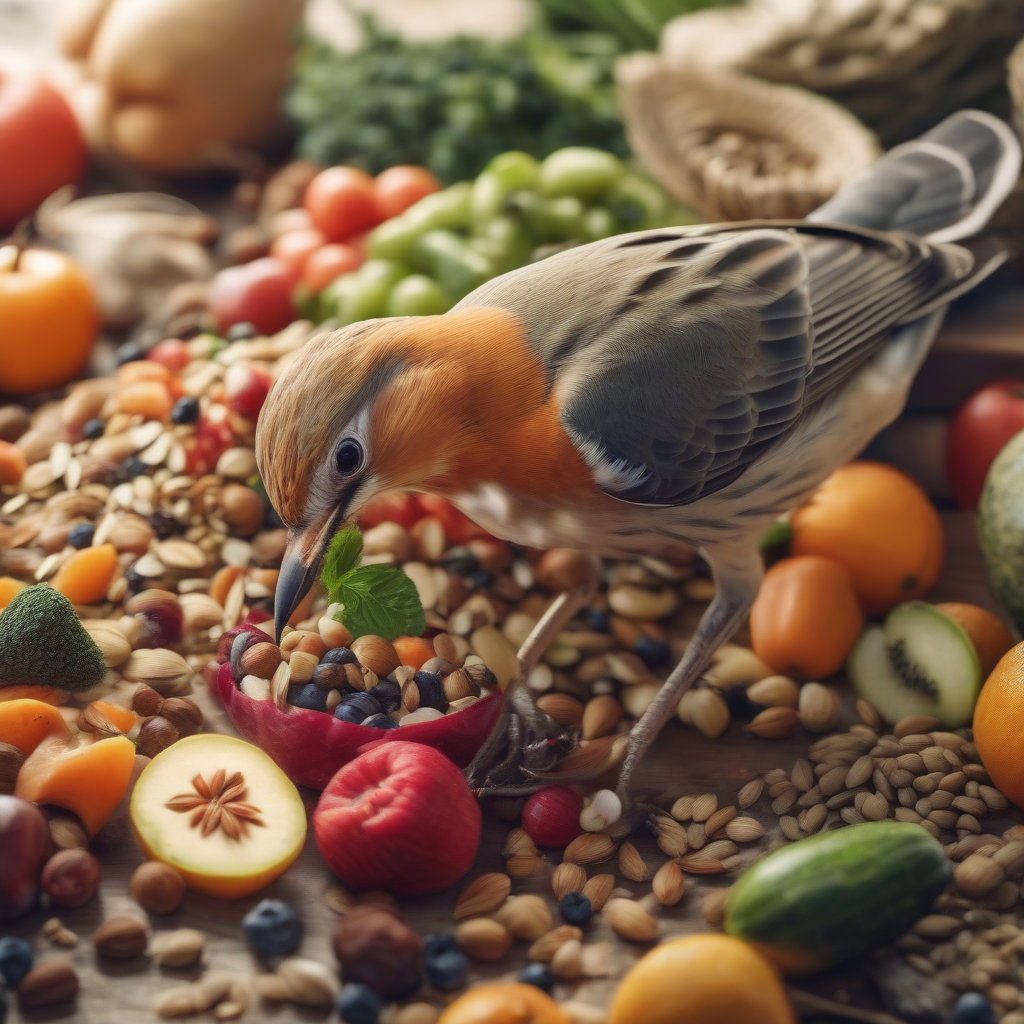
Discover the risks of feeding your bird only seeds and the hidden nutrients that will optimize their digestive health.


Discover the neurobiological signals of hidden stress your newly adopted cat experiences during adaptation to a new social environment. This article reveals 5 insidious signs of your cat's silent struggle and scientific strategies for peaceful, long-term harmony.

Your dog's anal sacs, located beneath the tail, can be hidden alarm bells often overlooked but profoundly affecting their quality of life. In this article, you will discover the 5 insidious neurobiological effects of anal sac problems on the brain and the lifesaving care secrets you need to know for your furry friend to live a peaceful life.

In this article, you will find comprehensive information on the insidious neurotoxic effects of heavy metal poisoning in aquarium fish, its symptoms, and lifesaving emergency intervention codes. This condition, which can arise from household water sources, improper equipment, or neglect, can severely threaten your fish's quality of life and lifespan.
For many pet bird owners, a seed-based diet has become a tradition. However, when it comes to the health of our feathered friends, this superficial habit can harbor overlooked serious risks for their digestive systems. Digestive health in birds has a direct impact on their overall health, immune system, and even behavior. In this article, we will delve into the potential dangers of feeding your bird solely seeds and reveal 5 hidden nutritional crypts that will optimize metabolic health by reprogramming their digestive system.
While seeds are a tasty and readily available option for birds, they are insufficient as a sole dietary regimen. Seeds are typically high in fat and deficient in vitamins, minerals, and protein. In the long term, this can lead to:
To optimize your bird's digestive system and improve its overall health, it is essential to go beyond a seed-only diet. Here are 5 vital, lesser-known nutritional components that will optimize metabolic health:
Short-Chain Fatty Acids (SCFAs), particularly acetate, propionate, and butyrate, are produced by the fermentation of carbohydrates by beneficial bacteria in the gut. These SCFAs are vital for birds' digestive health:
To provide these components, it is important to add appropriate prebiotic fiber sources to your bird's diet.
Prebiotics are indigestible carbohydrates that can be fermented by beneficial bacteria (probiotics) in our digestive system. For birds:
Sources like inulin, fructooligosaccharides (FOS), and pectin can be added to bird diets.
Besides being fundamental building blocks, proteins can transform into bioactive peptides when hydrolyzed or broken down. These peptides have various benefits for birds:
These benefits can be provided when high-quality protein sources (e.g., dried insects, certain fish species) are included in the diet.
One of the areas where a seed diet falls short is in vitamins and antioxidants. Fresh fruits and vegetables are excellent additions to a bird's diet:
Nutrient-dense fruits and vegetables safe for birds, such as apples, blueberries, carrots, and spinach, should be part of the diet.
Fatty acids are critical for a bird's overall health, feather quality, and inflammation control. Seeds alone may not be sufficient to provide this balance.
Sources like flaxseeds, chia seeds (in small amounts), or salmon oil can help provide these essential fatty acids.
Feeding your bird only seeds can prevent you from unlocking its full potential. Integrating these 5 hidden nutritional crypts into its diet is vital for reprogramming its digestive system, optimizing metabolic health, and enhancing its overall well-being. Remember, a conscious and balanced diet is the most important key to your feathered friend living a long, healthy, and happy life. It is recommended to consult a veterinarian before making any dietary changes.
