
This comprehensive guide details the lifesaving first steps, overlooked symptoms, and emergency intervention strategies for when your bird experiences sudden respiratory distress.


Discover the neurobiological signals of hidden stress your newly adopted cat experiences during adaptation to a new social environment. This article reveals 5 insidious signs of your cat's silent struggle and scientific strategies for peaceful, long-term harmony.

Your dog's anal sacs, located beneath the tail, can be hidden alarm bells often overlooked but profoundly affecting their quality of life. In this article, you will discover the 5 insidious neurobiological effects of anal sac problems on the brain and the lifesaving care secrets you need to know for your furry friend to live a peaceful life.
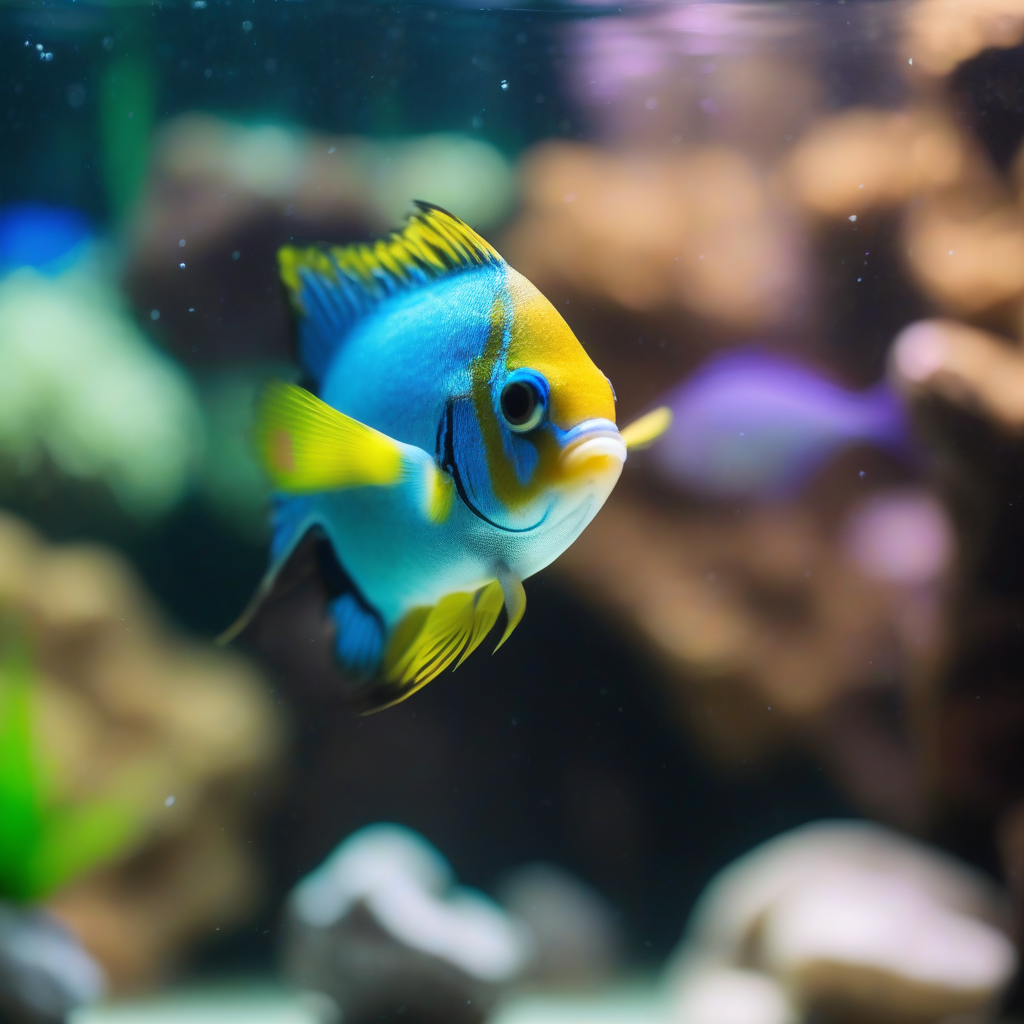
In this article, you will find comprehensive information on the insidious neurotoxic effects of heavy metal poisoning in aquarium fish, its symptoms, and lifesaving emergency intervention codes. This condition, which can arise from household water sources, improper equipment, or neglect, can severely threaten your fish's quality of life and lifespan.
Pet birds, with their delicate physiology, can be prone to sudden health issues. Respiratory distress, in particular, can progress rapidly in birds and requires immediate intervention. This guide, updated as of March 2026, details what to do when your bird experiences sudden breathing difficulties, overlooked symptoms, and lifesaving emergency steps.
Respiratory distress in birds is often an urgent symptom of an underlying problem. These causes can include:
The air quality in a bird's cage is critical for its health. Harmful substances like aerosol sprays, cigarette smoke, cleaning product fumes, and overheated Teflon pans (releasing carbon monoxide) can rapidly affect a bird's sensitive respiratory system.
Bacterial, viral, or fungal infections affecting the upper or lower respiratory tract can lead to sudden respiratory distress. Conditions such as pneumonia, sinusitis, or pharyngitis can develop quickly.
If a small object like a toy piece, seed, or feather gets lodged in the trachea, it can cause sudden and severe blockage.
Sudden reactions to allergens such as cage dust, mold spores, or a new food type can cause swelling in the respiratory passages.
Collisions with the cage, falls from height, or sudden frightening events (like loud noises or attacks by other animals) can induce shock and subsequent breathing difficulties in birds.
As soon as you notice signs of respiratory distress in your bird, remain calm and follow these steps:
While respiratory distress can appear suddenly, you can reduce the risk by adhering to basic care principles:
Remember, birds tend to hide their distress. Early recognition and prompt action can be life-saving.
