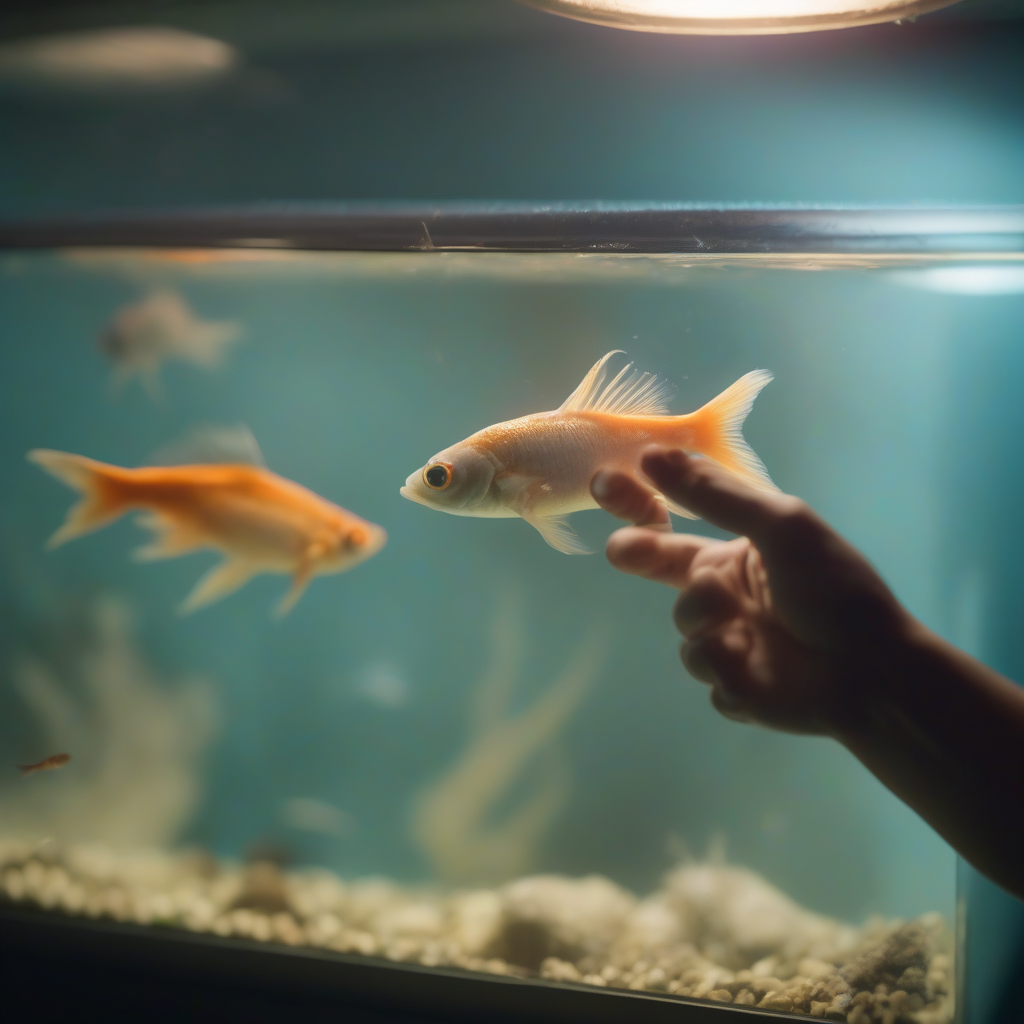
In this article, you will find out what sudden thermal shock is in aquarium fish, its symptoms, and lifesaving emergency intervention steps. Protect your friends' health with early diagnosis and correct preventive measures.


Discover the neurobiological signals of hidden stress your newly adopted cat experiences during adaptation to a new social environment. This article reveals 5 insidious signs of your cat's silent struggle and scientific strategies for peaceful, long-term harmony.

Your dog's anal sacs, located beneath the tail, can be hidden alarm bells often overlooked but profoundly affecting their quality of life. In this article, you will discover the 5 insidious neurobiological effects of anal sac problems on the brain and the lifesaving care secrets you need to know for your furry friend to live a peaceful life.

In this article, you will find comprehensive information on the insidious neurotoxic effects of heavy metal poisoning in aquarium fish, its symptoms, and lifesaving emergency intervention codes. This condition, which can arise from household water sources, improper equipment, or neglect, can severely threaten your fish's quality of life and lifespan.
Aquarium fish, in their natural habitats, are adapted to relatively stable temperature conditions. However, in home aquariums, sudden and dramatic changes in water temperature can lead to a life-threatening condition known as "Thermal Shock." This means that the fish's physiological systems cannot keep pace with the shocking temperature change, and its internal balance is disrupted. Thermal shock can be fatal within minutes, which is why it is crucial for every aquarium owner to be aware of this danger and know the emergency intervention steps. As of March 2026, fish health research reveals the profound effects of thermal stress not only physically but also on the Invisible Emotional World of Fish: A Scientific Look at Understanding Stress, Pain, and Joy Signals in fish.
As poikilothermic (cold-blooded) animals, fish's body temperatures are directly dependent on the temperature of the water around them. Water temperature directly affects a fish's metabolic rate, immune system functions, respiration, digestion, and even electrolyte balance. A sudden drop or rise in temperature can rapidly disrupt enzyme activity in fish cells, alter protein structures, and affect the fluidity of cell membranes. This prevents the fish from performing its basic life functions.
Sudden temperature changes severely affect a fish's osmoregulation ability (maintaining water and salt balance in its body). Particularly, rapid cooling can lead to vasoconstriction, a slowed heart rate, and insufficient oxygen delivery to organs. Conversely, overheating causes protein denaturation and a rapid increase in metabolic stress. This prevents the fish's gills from functioning efficiently and hinders oxygen uptake. Particularly, its negative effects on Hidden Electrolyte Balance in Aquarium Fish: The Unknown Key to Vitality and Disease Resistance can lead to sudden deaths.
One of the most insidious aspects of thermal shock is the long-term damage it causes. Even fish that survive a short-term shock become more vulnerable to diseases due to a weakened immune system. This sets the stage for the emergence of bacterial infections, parasites, or fungal diseases. Fish's Invisible Shield: Secrets to Peak Immunity and Disease Resistance Through Mucosal Barrier Health (March 2026) can also be severely damaged in such stressful situations. Furthermore, stress-induced damage can occur in organs like the liver and kidneys, negatively impacting the fish's overall health and lifespan. Topics such as Liver Health in Fish: The Secret Hero of Detoxification and the Insidious Dangers of Fatty Liver Disease also gain importance in this context, as thermal stress can put an extra burden on the liver.
Symptoms of thermal shock appear quickly and can rapidly worsen. Recognizing these symptoms is critical for emergency intervention.
As the condition worsens, fish may begin to lie on their sides or swim upside down. Muscle spasms and contractions may be observed. Cloudiness or swelling in the eyes may also be present. In the final stage, the fish becomes completely paralyzed and dies. If you observe any of these symptoms, you must proceed with emergency intervention steps without delay.
Success in sudden thermal shock is directly related to speed and correct response.
The best treatment for thermal shock is prevention. Simple yet effective steps can minimize this risk.
When adding new fish to the aquarium, float their bags in the aquarium water to allow for temperature acclimation (approximately 15-30 minutes). Then, gradually mix the water inside the bag with aquarium water to support chemical acclimation as well. This slow adaptation process helps fish adjust to the new environment without stress.
If symptoms of thermal shock persist or your fish's condition worsens, consult an aquatic veterinarian without delay. Expert help can offer additional treatment options for your fish's recovery. Professional medical intervention is essential, especially if secondary infections develop.
Sudden thermal shock is a serious and potentially fatal threat to aquarium fish. By applying the information in this guide, you can improve your fish's quality of life and take lifesaving steps in emergencies. Remember, prevention is always better than cure. Regularly checking your aquarium's temperature and other parameters for your fish's health is key to ensuring they live a long and healthy life.
