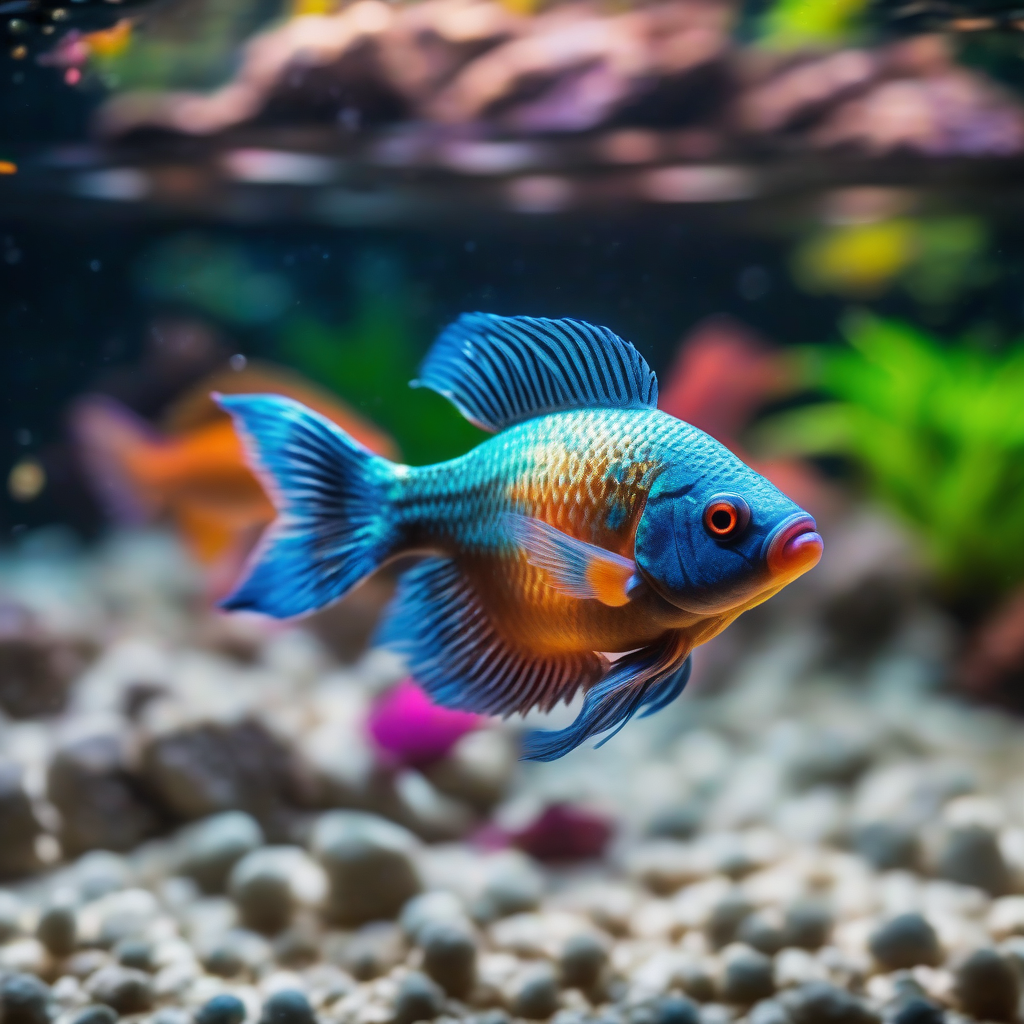
In this article, you will find comprehensive information about the hidden electrolyte balance of your aquarium fish, their vitality, and disease resistance.


Discover the neurobiological signals of hidden stress your newly adopted cat experiences during adaptation to a new social environment. This article reveals 5 insidious signs of your cat's silent struggle and scientific strategies for peaceful, long-term harmony.

Your dog's anal sacs, located beneath the tail, can be hidden alarm bells often overlooked but profoundly affecting their quality of life. In this article, you will discover the 5 insidious neurobiological effects of anal sac problems on the brain and the lifesaving care secrets you need to know for your furry friend to live a peaceful life.
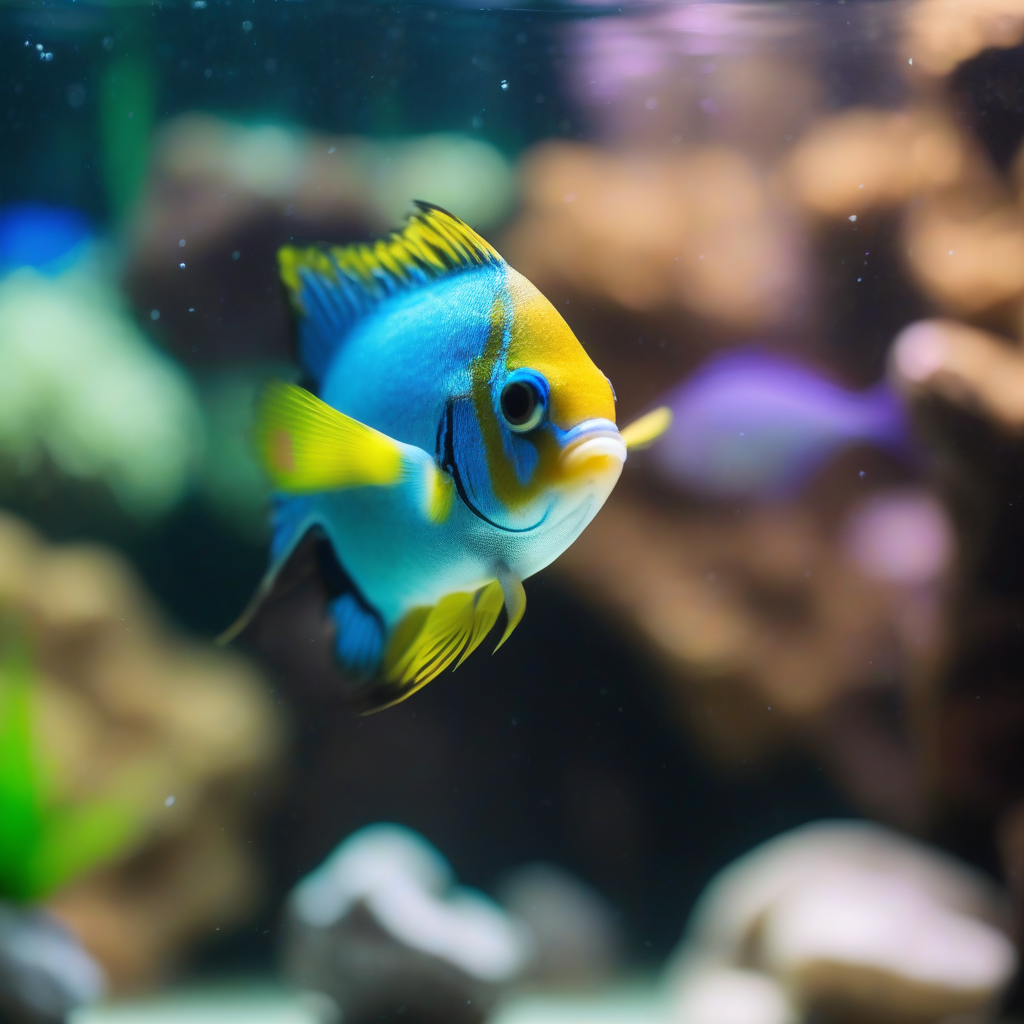
In this article, you will find comprehensive information on the insidious neurotoxic effects of heavy metal poisoning in aquarium fish, its symptoms, and lifesaving emergency intervention codes. This condition, which can arise from household water sources, improper equipment, or neglect, can severely threaten your fish's quality of life and lifespan.
The world of aquariums is a complex ecosystem, home to colorful and silent creatures. The general health and well-being of fish are closely linked not only to observable symptoms but also to a deep understanding of water chemistry. In this context, there's a critical element that most aquarium owners overlook: electrolyte balance.
Electrolytes are minerals that conduct electricity when dissolved in body fluids. For fish, these minerals are vital for regulating numerous essential life processes, from nerve and muscle function to water balance.
Fish bodies are in constant exchange with their environment. They actively work to balance the salt and water concentration within their bodies. Key electrolytes playing a crucial role in this process include:
Having these electrolytes in balanced quantities helps fish cope with stress, digest nutrients, excrete waste, and become more resistant to diseases.
Aquarium water is typically prepared using tap water or reverse osmosis (RO) water. Both can have different electrolyte profiles. RO water, in particular, removes almost all minerals, posing a risk of deficiency for fish. Other potential disruptive factors include:
Electrolyte imbalance is often a subtle threat that isn't immediately apparent. However, over time, it can lead to the following symptoms in fish:
Ensuring optimal electrolyte balance for your aquarium fish is part of conscientious care:
The health of your aquarium fish is not limited to proper filtration and temperature control. The hidden chemistry of the water, particularly electrolyte balance, plays a vital role in their vitality and resistance to diseases. Understanding and maintaining this balance is one of the most important steps to ensure your fish live a long and healthy life. Remember, every detail in your aquarium directly impacts the world of your tiny companions.
