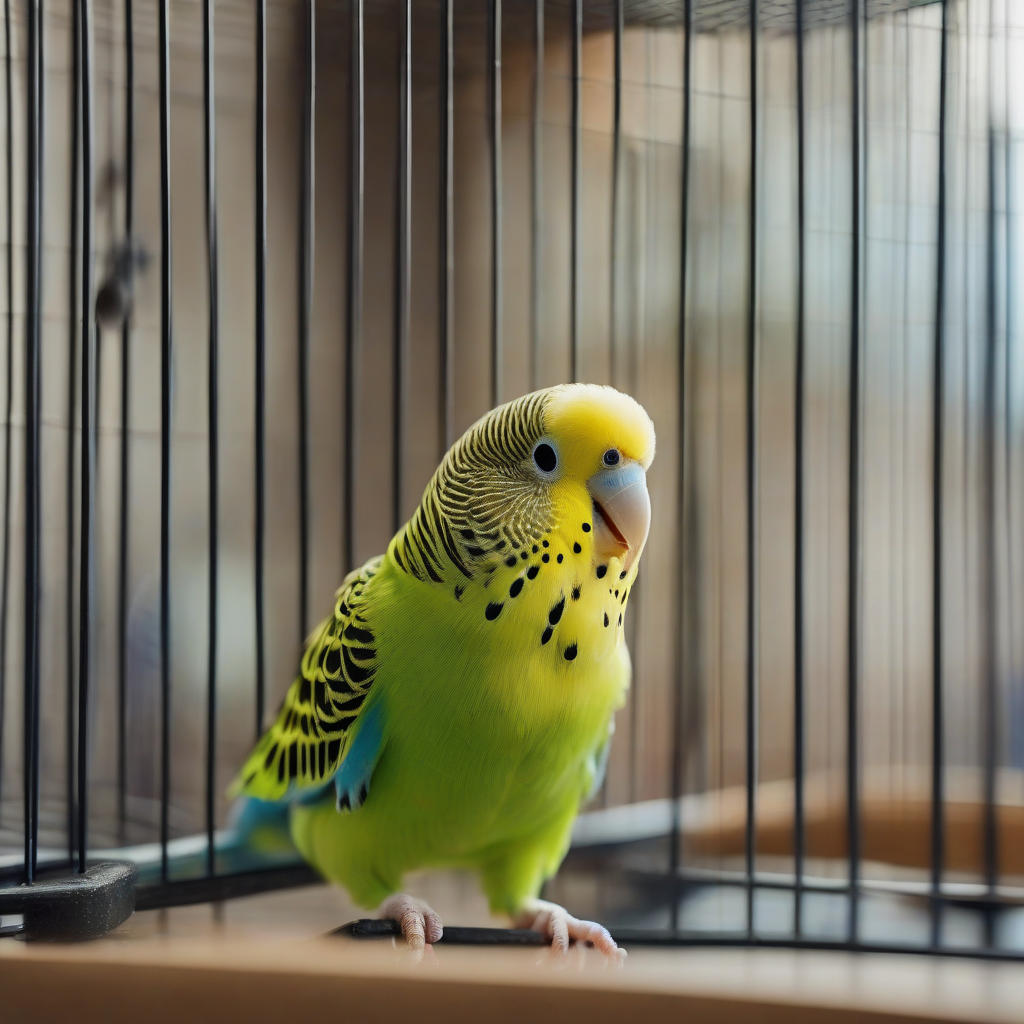
In this article, you will discover how to understand the signs of shyness and fear in your adopted bird, the impact of past traumas, and how to build a deep bond using science-backed strategies.


Discover the neurobiological signals of hidden stress your newly adopted cat experiences during adaptation to a new social environment. This article reveals 5 insidious signs of your cat's silent struggle and scientific strategies for peaceful, long-term harmony.

Your dog's anal sacs, located beneath the tail, can be hidden alarm bells often overlooked but profoundly affecting their quality of life. In this article, you will discover the 5 insidious neurobiological effects of anal sac problems on the brain and the lifesaving care secrets you need to know for your furry friend to live a peaceful life.
In this article, you will find comprehensive information on the insidious neurotoxic effects of heavy metal poisoning in aquarium fish, its symptoms, and lifesaving emergency intervention codes. This condition, which can arise from household water sources, improper equipment, or neglect, can severely threaten your fish's quality of life and lifespan.
Adopting a bird is a unique experience that brings joy and vibrancy into your life. However, some feathered friends may be shy or fearful due to past experiences or genetic predispositions. These "hidden fears," especially encountered post-adoption, can make it challenging to form a deep bond with your bird. In this article, we will explore how to decipher your bird's mysterious fear codes, overcome shyness with science-backed strategies, and build a lasting relationship. Remember, shyness is often not a character trait, but a form of communication waiting to be understood.
When birds feel insecure or threatened, they often communicate through subtle signals that we might not notice. Understanding these signals is the first step in building trust.
Your bird's feather position is one of the most obvious indicators of its mood. Tightly held feathers against the body can indicate tension, while fluffed and slightly ruffled feathers can signal relaxation. However, excessive fluffing can also be a sign of illness, so it's important to distinguish. Eye contact, in some bird species, can be perceived as a challenge, while gentle, brief eye contact with a trusted individual can be a bonding signal. Body posture is also crucial: a crouched, frozen stance might be a fear or freeze response, whereas a flexible and active posture indicates relaxation.
Does your bird fly to the other side of the cage or turn its head when you approach? These are avoidance behaviors. Birds that struggle to adjust to a new environment or person often tend to hide. You might observe behaviors like hiding behind perches or staying in the farthest corner of the cage. Stress and fear can also affect your bird's feeding habits. Lack of appetite, disinterest in favorite foods, or overeating can all be signs of emotional distress. Initial tips found in the article "Your First Introduction to Your Bird: Scientific Secrets to Earning Your Feathered Friend's Trust (2026)" can help you interpret these signals better.
The past of the bird you adopt can deeply influence its current behavior. Negative experiences with previous owners, insufficient socialization, neglect, or physical abuse can cause a bird to lose trust in humans. Some birds may also be genetically more sensitive or shy. Therefore, instead of judging your bird's behavior, it's crucial to approach it with empathy and try to understand its world. This can sometimes lead to mental blocks in training.
Trust is a bridge built with time and consistency. Here are some science-backed strategies:
Always be slow and predictable when approaching your bird. Avoid sudden movements or loud noises. Allow your bird to come to you; never force it. Passive interactions, such as sitting near its cage and talking gently, singing, or reading a book, can help it get used to your presence. Initially avoiding direct eye contact can make it feel less threatened.
Your bird's cage should be a sanctuary, not a prison. Creating a safe, comforting environment that satisfies its natural instincts significantly reduces stress. As stated in the article "Your Bird's Invisible Architect: Secrets of Cage Layout and Strategic Enrichment Satisfying Natural Instincts", the right cage setup and enrichment allow your bird to feel secure. High perches, hiding spots, and a variety of toys can help in this regard.
Birds thrive on routine. Regular feeding times, cage cleaning, and interaction times add predictability to its world, reducing anxiety. This routine helps your bird know what to expect, reinforcing a sense of security.
When your bird exhibits a desired behavior (e.g., coming towards you, accepting food), immediately and consistently reward it. This can be food, a gentle word, or a scratch. Never use punishment; this only increases fear and damages trust. Positive reinforcement helps your bird associate human interaction with a positive experience.
Gradual approaches you can use to help your bird overcome shyness:
In the initial phase, simply be present in the room where your bird is. Read a book, watch TV, or do your chores. Your goal is for your bird to get used to your presence and not perceive you as a threat. Do not attempt direct interaction at this stage.
When you notice your bird is no longer reacting to your presence, you can gradually reduce the distance. Speak to it gently from afar, leave its favorite foods near its cage. When it's ready, try offering a treat gently through the cage bars with your finger or a thin branch. Do not rush; every small step forward is a victory.
Providing mental and physical stimulation for your bird boosts its self-confidence. Offer new toys, puzzle games, and chewable materials. These help your bird interact positively with its environment and reduce stress. Furthermore, the article "Unlocking 'Invisible Intelligence' Exercises in Birds: How to Maximize Your Feathered Friend's Cognitive Capacity Through Environmental Enrichment" can give you more ideas on this topic.
Working with a shy bird requires patience. Remember that every bird will progress at its own pace. Setbacks are normal; the important thing is to be consistent and not give up. If you believe your bird is showing signs of stress or separation anxiety, or if you are not making progress, do not hesitate to seek help from an experienced veterinarian or bird behavior specialist. They can help you create a personalized plan tailored to your bird's specific needs.
Deciphering your bird's secret fear codes and overcoming its shyness opens the doors to a deep and rewarding bond. By offering patience, empathy, consistent positive reinforcement, and a safe environment, you can help unleash the brave and social bird within your feathered friend. This journey will offer unique opportunities for learning and growth for both you and your bird.
