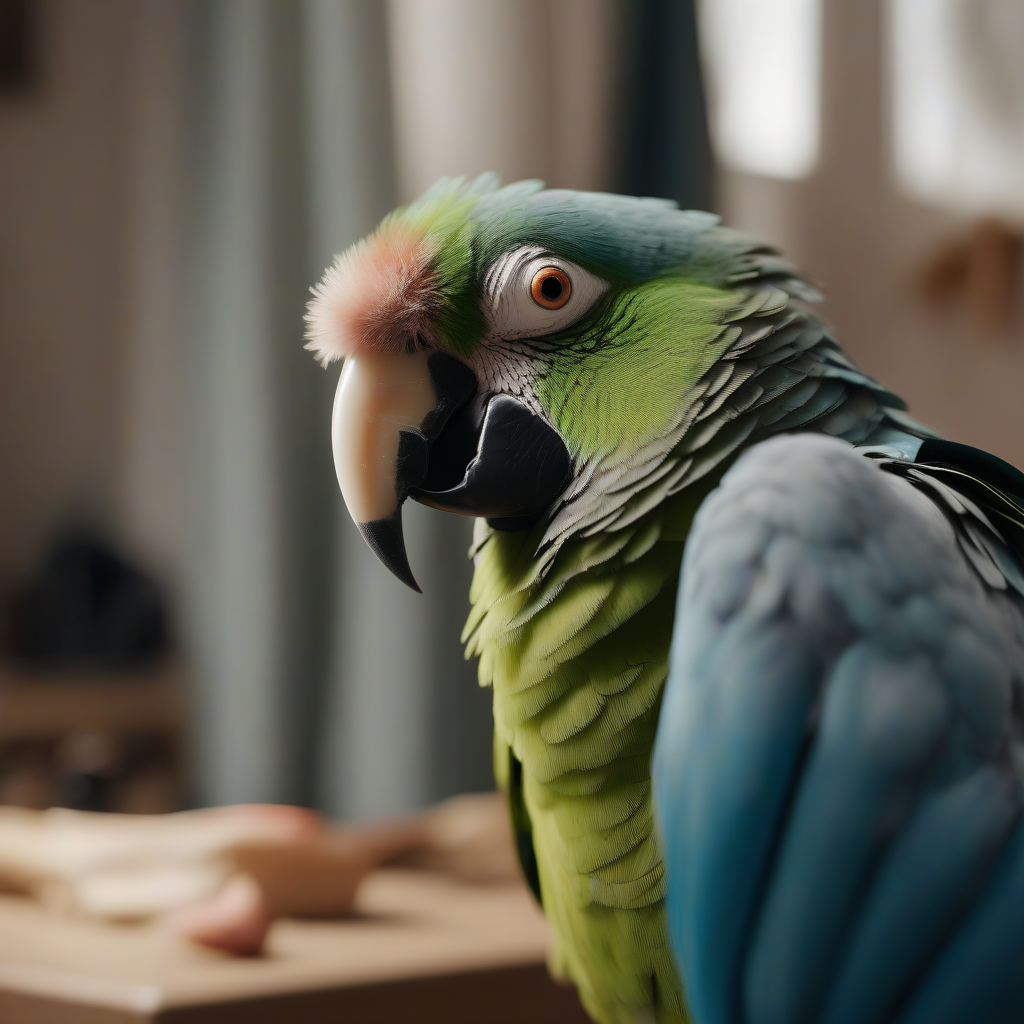
In this article, you will find comprehensive information on lifesaving first steps and critical overlooked symptoms during sudden respiratory distress in your bird.


Discover the neurobiological signals of hidden stress your newly adopted cat experiences during adaptation to a new social environment. This article reveals 5 insidious signs of your cat's silent struggle and scientific strategies for peaceful, long-term harmony.

Your dog's anal sacs, located beneath the tail, can be hidden alarm bells often overlooked but profoundly affecting their quality of life. In this article, you will discover the 5 insidious neurobiological effects of anal sac problems on the brain and the lifesaving care secrets you need to know for your furry friend to live a peaceful life.
In this article, you will find comprehensive information on the insidious neurotoxic effects of heavy metal poisoning in aquarium fish, its symptoms, and lifesaving emergency intervention codes. This condition, which can arise from household water sources, improper equipment, or neglect, can severely threaten your fish's quality of life and lifespan.
As of March 2026, one of the biggest fears for pet bird owners is the sudden respiratory distress their feathered friends may experience. Birds, due to their unique anatomy, are extremely sensitive to respiratory issues. The complex structure of their air sacs and lungs means even the slightest infection or irritation can quickly lead to severe shortness of breath. This guide aims to help you save your companion's life by taking the right steps during these critical moments.
When you notice your bird is suddenly having trouble breathing, it's crucial to analyze the situation calmly rather than panicking. However, some symptoms appear in the earlier stages and are often overlooked by owners. Here are the critical details you should pay attention to:
As soon as you notice one or more of the above symptoms in your bird, take the following steps without delay:
Stay Calm and Reassure the Bird: Your panic will increase your bird's stress. Remain as calm as possible and try to handle your bird gently. Avoid sudden movements.
Check Air Quality:
Provide Fresh Air: If possible, take your bird outside (considering weather conditions) or open a window to ventilate the room. However, be careful to protect it from direct drafts.
Create a Supportive Environment:
Contact a Veterinarian: This is the most important step. Inform your veterinarian about your bird's general condition, species, and age. Keep your veterinarian's phone number handy for situations requiring immediate medical attention (e.g., suspected ingestion of foreign objects, poisoning).
Sudden respiratory distress in birds can have many causes:
Taking preventive measures can significantly reduce the likelihood of such emergencies. Regularly cleaning your bird's living space, removing toxic substances, ensuring a balanced diet, and having regular check-ups with your veterinarian will help your bird live a healthy life. Closely monitoring your bird's overall health and any changes in its behavior is key to early diagnosis of potential problems. Articles like Unlocking Your Bird's Hidden Intelligence Potential: Designing Playrooms for Cognitive Enhancement can help you support its mental and physical well-being.
