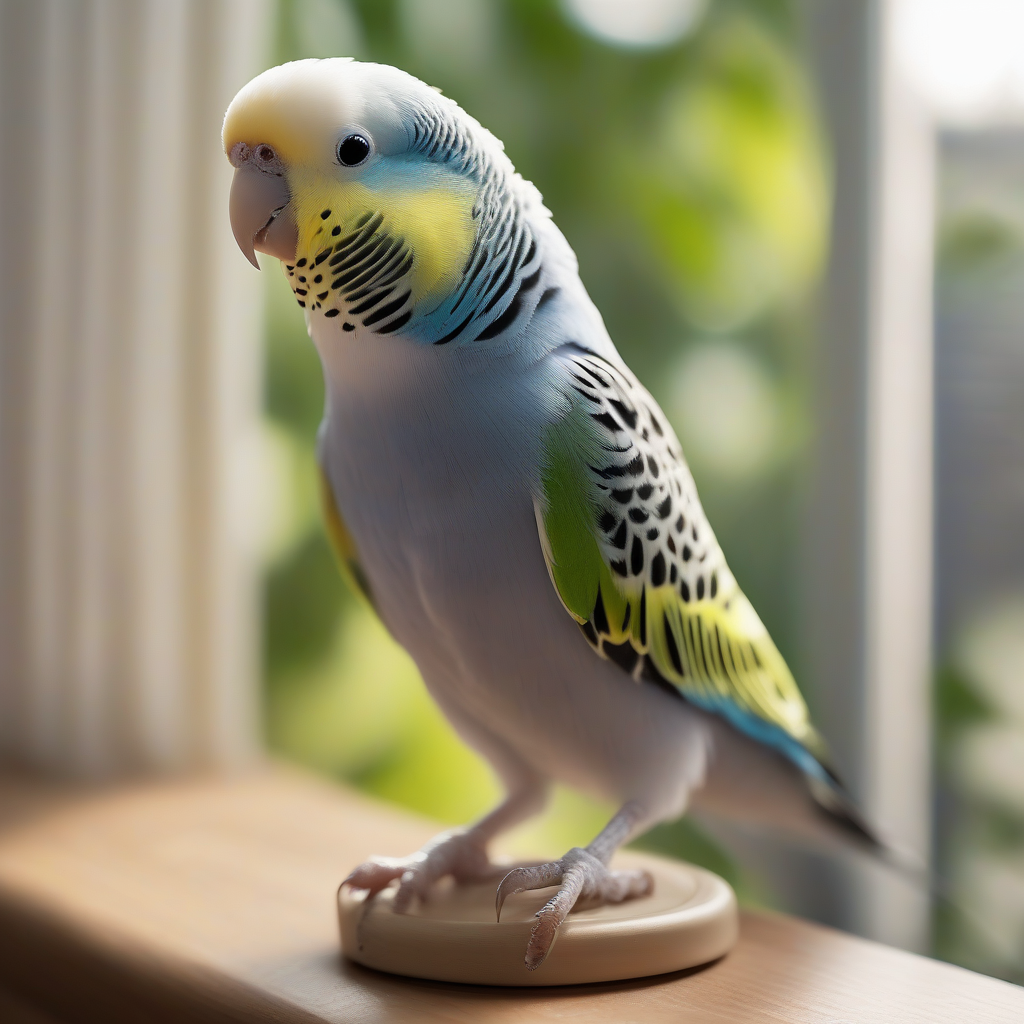
Air quality is an overlooked yet vital care factor for pet birds. In this article, we delve into the invisible dangers threatening your bird's respiratory health, strategies for ensuring perfect air quality, and scientific precautions against potential respiratory problems.


Discover the neurobiological signals of hidden stress your newly adopted cat experiences during adaptation to a new social environment. This article reveals 5 insidious signs of your cat's silent struggle and scientific strategies for peaceful, long-term harmony.

Your dog's anal sacs, located beneath the tail, can be hidden alarm bells often overlooked but profoundly affecting their quality of life. In this article, you will discover the 5 insidious neurobiological effects of anal sac problems on the brain and the lifesaving care secrets you need to know for your furry friend to live a peaceful life.
In this article, you will find comprehensive information on the insidious neurotoxic effects of heavy metal poisoning in aquarium fish, its symptoms, and lifesaving emergency intervention codes. This condition, which can arise from household water sources, improper equipment, or neglect, can severely threaten your fish's quality of life and lifespan.
Our pet birds are tiny but incredibly sensitive members of our households. Providing them with the best care isn't just limited to offering quality food, clean water, and sufficient attention. There's a critical, often overlooked factor that has a huge impact on birds' overall health and quality of life: the air quality in their cage environment. Birds have much more delicate respiratory systems than humans, and many airborne dangers that we can't perceive can profoundly affect their health.
As of March 2026, the latest research in veterinary science has proven that indoor air pollution is one of the primary causes of respiratory diseases, feather problems, and even behavioral issues in pet birds. In this article, we will uncover the hidden dangers threatening your bird's 'invisible breath,' present science-based care strategies for perfect respiratory health, and share critical information to help your feathered friend live a longer, healthier life.
Birds are extremely sensitive to air quality due to their unique respiratory anatomy. Their lungs are supported by a network of air sacs that provide unidirectional airflow and continuous oxygen exchange. This efficient system enables them to maintain the high metabolic rate required for flight; however, it also makes them extremely vulnerable to even the slightest toxins or irritants present in the air.
Birds' lungs and air sacs differ from mammals in their capacity to filter airborne particles or chemicals. Elements like dust, smoke, chemical fumes, or microbial spores can easily accumulate in their respiratory tracts, leading to inflammation, infections, and chronic respiratory diseases. This situation, particularly in long-lived bird species like parrots, can evolve into serious long-term health problems.
Even if the respiratory system isn't directly affected, poor air quality can indirectly impact birds' feather and skin health. Dry air can lead to feather plucking or skin irritation, while airborne particles can cause dull feathers and disrupt natural oils. Unhealthy feathers also negatively affect the bird's thermoregulation and ability to fly. For more critical care tips, you can read our article Your Bird's Hidden Sensitivities: 5 Critical Care Tips Beyond Molting (2026).
In our homes, we can unknowingly create many invisible dangers for our birds. While these threats may seem like a normal part of daily life, they pose serious risks to our birds' health.
Household dust accumulation, outdoor pollen, and especially mold spores thriving in damp environments can lead to allergic reactions and respiratory infections in birds. Fabrics, carpets, and even feather dander from the bird itself are significant factors.
Cigarette smoke and e-cigarette (vape) vapor are among the most dangerous airborne pollutants birds are exposed to through passive smoking. The nicotine, tar, and other chemicals they contain can cause chronic respiratory diseases, cancer, and even sudden death in birds. Such substances create an invisible cloud of toxins around the cage.
Optimizing air quality in your bird's living space requires a proactive and informed approach. Here are scientific strategies you can implement:
Regularly ventilating the room where the cage is located is the simplest way to ensure fresh airflow. However, when outdoor air pollution or seasonal allergies are a concern, using an air purifier with high-efficiency particulate air (HEPA) filters and activated carbon filters is vital. These devices effectively remove dust, pollen, mold spores, pet allergens, and chemical gases. When choosing an air purifier, ensure you select models that do not produce ozone, as ozone is harmful to birds.
Appropriate humidity levels, especially for tropical bird species, are critical for feather and respiratory health. Very dry air can dry out mucous membranes, making birds more susceptible to respiratory infections and potentially triggering feather plucking. Maintaining room humidity between 50-60% using a humidifier is ideal. However, it is crucial to clean the humidifier regularly to prevent mold and bacterial growth.
When cleaning your bird's environment, opt for natural and unscented cleaners. A mixture of vinegar and water is a safe and effective alternative for most surfaces. The safest approach is to move your bird to another room while cleaning and only return it after the room has been thoroughly ventilated. Furthermore, cage arrangement affects air circulation. For information on arranging your bird's cage to satisfy its natural instincts, please refer to the article Your Bird's Invisible Architect: Cage Arrangement and Strategic Enrichment Secrets That Satisfy Natural Instincts.
Some houseplants can act as natural air purifiers by filtering airborne toxins. Examples include the spider plant (Chlorophytum comosum) and bamboo palm (Chamaedorea seifrizii). However, ensure you choose plants that are non-toxic to your bird and place them where your bird cannot reach them.
If you notice symptoms of respiratory distress in your bird, it is an emergency. Pay attention to the following signs and consult a veterinarian immediately:
In such cases, the best thing you can do is keep your bird in a warm and calm environment and take it to a veterinarian without delay. Our article Your Bird's Sudden Respiratory Distress: Lifesaving First Steps and Overlooked Symptoms (March 2026 Emergency Guide) offers more detailed information on this topic.
Your bird's 'invisible breath' is a cornerstone of its overall health and happiness. Although air quality is often an overlooked detail by pet owners, it has a critical impact on your feathered friend's quality of life. By being aware of hidden airborne dangers, implementing proactive care strategies, and being vigilant about potential respiratory problems, you can provide a healthy, clean, and happy living environment for your bird. Remember, a healthy bird is a happy bird, and this begins with excellent air quality.
