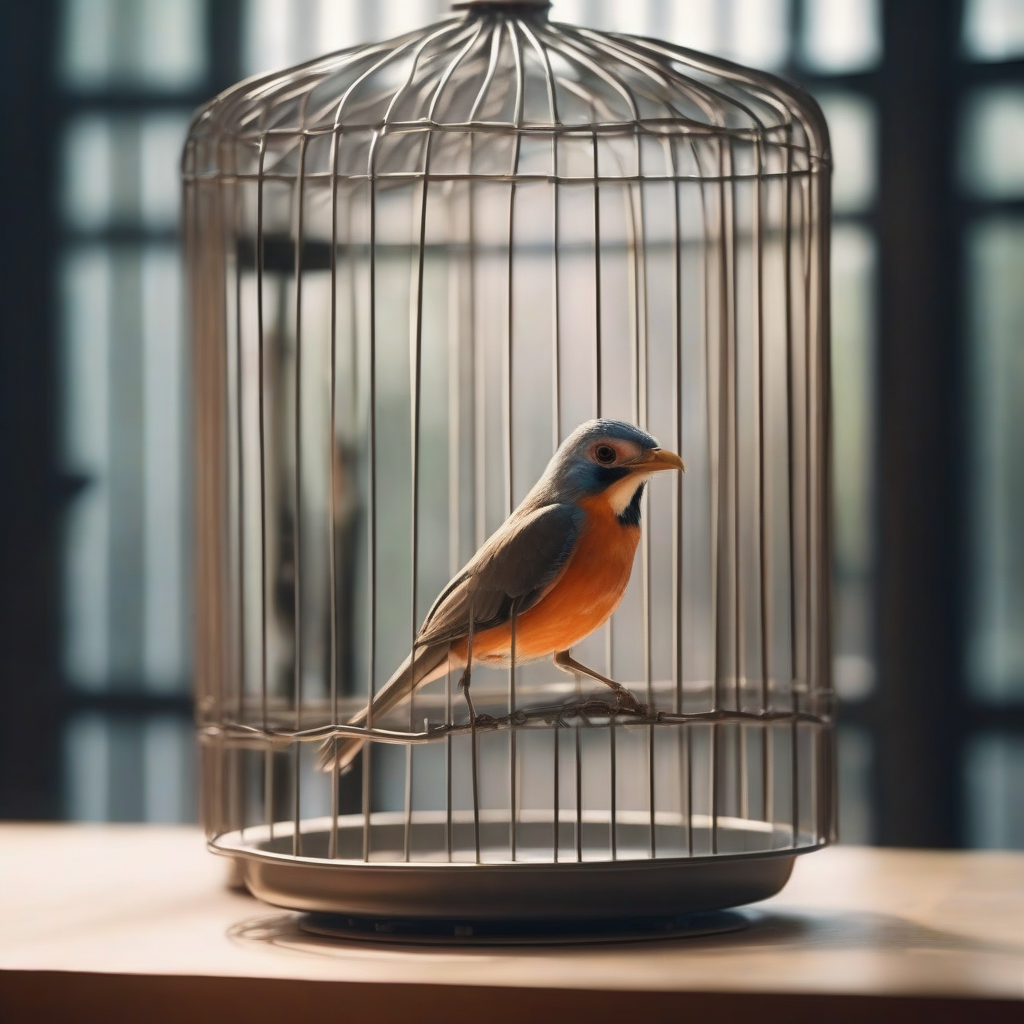
Your bird's cage microclimate and safe zones are vital for its overall health and happiness. In this article, you will discover the invisible stress factors your bird might face and learn science-backed care strategies to eliminate them.


Discover the neurobiological signals of hidden stress your newly adopted cat experiences during adaptation to a new social environment. This article reveals 5 insidious signs of your cat's silent struggle and scientific strategies for peaceful, long-term harmony.

Your dog's anal sacs, located beneath the tail, can be hidden alarm bells often overlooked but profoundly affecting their quality of life. In this article, you will discover the 5 insidious neurobiological effects of anal sac problems on the brain and the lifesaving care secrets you need to know for your furry friend to live a peaceful life.
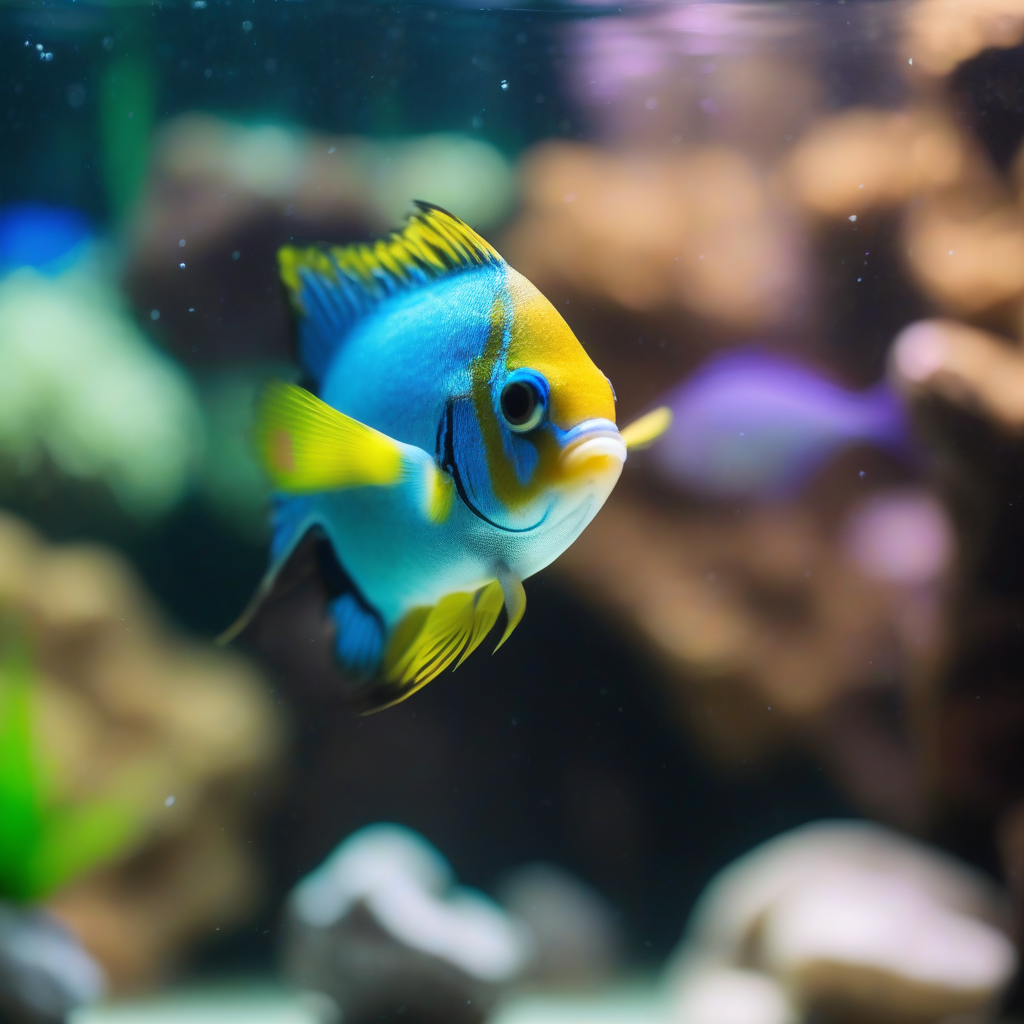
In this article, you will find comprehensive information on the insidious neurotoxic effects of heavy metal poisoning in aquarium fish, its symptoms, and lifesaving emergency intervention codes. This condition, which can arise from household water sources, improper equipment, or neglect, can severely threaten your fish's quality of life and lifespan.
Pet birds, due to their delicate nature, are highly sensitive to environmental factors. Their physical and psychological health is not only closely related to proper nutrition and regular veterinary check-ups but also to the invisible details of their cage environment. Often overlooked, these details – the cage microclimate and the presence of safe zones – can directly affect your bird's stress levels, immune system, and even lifespan. As of March 2026, veterinary science is focusing more on these subtle aspects of avian welfare.
The cage microclimate refers to the totality of temperature, humidity, airflow, and lighting conditions within a bird's living space. When these factors are not at optimal levels, they can become a constant source of stress for your bird, leading to various health problems.
Birds regulate their body temperature differently from humans and require an ideal thermal comfort range. Environments that are too hot or too cold can lead to metabolic stress, energy loss, and a weakened immune system. Humidity levels, in particular, are critical for birds' respiratory health and feather quality. Low humidity can dry out respiratory passages and lead to behavioral issues like feather plucking, while high humidity can create a breeding ground for bacteria and fungi. Maintaining the right temperature and humidity balance in your bird's living space is key to keeping them healthy and long-lived.
Stagnant or excessively drafty airflow within the cage is a significant stress factor for birds. A lack of adequate ventilation leads to the accumulation of dust, feather particles, and the concentration of toxic gases like ammonia from droppings. This can predispose birds to respiratory infections and chronic respiratory problems. Conversely, direct drafts can lead to hypothermia and sudden illnesses. Strategic cage placement and ensuring regular air circulation in the room prevent this invisible danger. Adequate oxygen quality is crucial for perfect respiratory health.
Birds' circadian rhythms, their sleep-wake cycles, are dependent on light intake. Inadequate or irregular light cycles can lead to hormonal imbalances, behavioral problems, and chronic stress. Exposure to natural daylight (but not direct sunlight) and providing complete darkness at night are fundamental to preserving your bird's natural biological clock. If artificial lighting is used, it's important to choose full-spectrum options that are safe for birds. Furthermore, ensuring adequate UVB/UVA light is vital for Vitamin D production and happiness.
Birds are naturally both prey and predator. This dual instinct creates a need for them to feel secure in their living environment. Safe zones created within the cage allow your bird to escape stress and maintain its mental well-being.
Your bird needs small, enclosed spaces within the cage where it can hide and be protected from external stimuli. This could be a nest box, a fabric tunnel, or dense artificial plants. Such areas serve as a “safe haven” where your bird can retreat when it feels threatened or simply wants to rest. These areas can help your bird minimize stress.
In nature, birds prefer to perch at high points to spot potential dangers from afar. Providing high perches or platforms in the cage gives them a sense of control and allows them to observe their surroundings. This helps reduce stress, especially when new people or sounds are present in the home.
Turning one or two sides of the cage against a wall or draping a thin fabric cover around the cage can give your bird a sense of privacy and security. This prevents your bird from being overstimulated, especially during nighttime rest or in a busy home environment, and contributes to smooth feather renewal processes. Your bird's cage layout and strategic enrichment are of vital importance in this regard.
You can take conscious steps to improve your bird's quality of life and eliminate invisible stress factors:
Understanding your bird's invisible stress factors and taking appropriate measures ensures they lead a longer, healthier, and happier life. Remember, a happy bird is a healthy bird.
