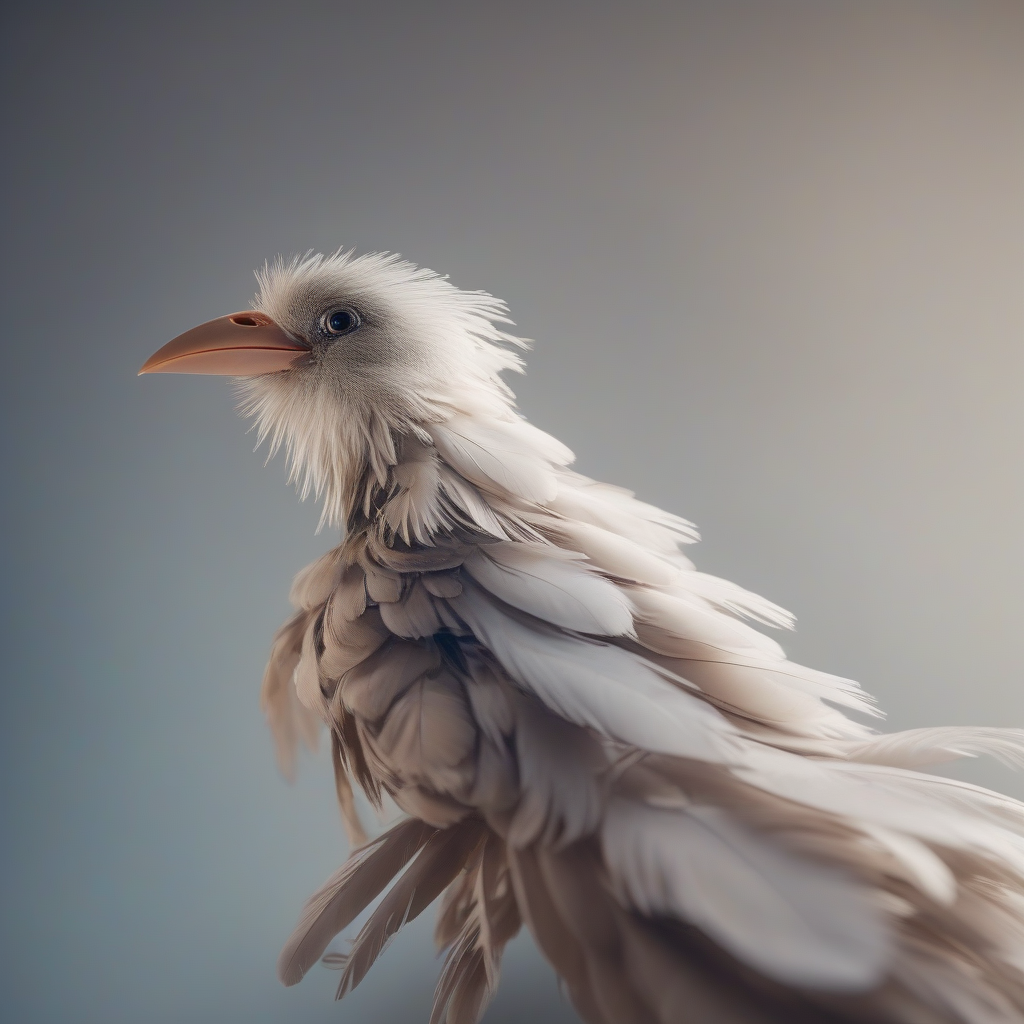
In this article, we will delve into the biological mechanisms of bird molting, how stress disrupts this process, and scientific-based care strategies you can implement for a smooth, healthy feather renewal.


Discover the neurobiological signals of hidden stress your newly adopted cat experiences during adaptation to a new social environment. This article reveals 5 insidious signs of your cat's silent struggle and scientific strategies for peaceful, long-term harmony.

Your dog's anal sacs, located beneath the tail, can be hidden alarm bells often overlooked but profoundly affecting their quality of life. In this article, you will discover the 5 insidious neurobiological effects of anal sac problems on the brain and the lifesaving care secrets you need to know for your furry friend to live a peaceful life.
In this article, you will find comprehensive information on the insidious neurotoxic effects of heavy metal poisoning in aquarium fish, its symptoms, and lifesaving emergency intervention codes. This condition, which can arise from household water sources, improper equipment, or neglect, can severely threaten your fish's quality of life and lifespan.
As bird owners, we know that molting, a critical period in our feathered friends' life cycle, is more than just shedding old feathers and growing new ones. Molting is a reflection of your bird's overall health, well-being, and even mental state. As of March 2026, veterinary science offers new insights that allow us to understand the hidden stress factors during feather renewal and their impact on birds more clearly. In this guide, we will thoroughly cover science-based strategies and overlooked anomalies to help you best manage your bird's molting cycle.
Molting is a natural, physiological process where birds periodically replace their old, worn, or damaged feathers with new ones. This cycle varies depending on the species, age, and environmental factors. New feathers begin to form in the follicles and are nourished by blood vessels. These new feathers are known as 'blood feathers' and are sensitive. Once fully mature, the blood supply ceases, and the feather takes its fully developed form. This process is energy-intensive and places a significant metabolic burden on your bird's body.
Healthy feathers are vital for a bird's ability to fly, regulate body temperature, provide protection, and even for social signaling. Damaged or old feathers may be insufficient in performing these functions, which can reduce the bird's chances of survival. A regular and healthy molt ensures your bird is always in its best physical condition.
The molting process is highly sensitive to external factors. Stress, nutritional deficiencies, environmental changes, or illnesses can disrupt feather renewal, leading to various abnormalities. The most well-known of these are 'stress bars' or 'stress lines.' These are imperfections appearing as horizontal bands or weak areas on the feather shaft. Stress experienced while feathers are growing (illness, inadequate nutrition, sudden temperature changes, fear) temporarily slows down or stops feather formation, resulting in weak feather growth. Stress bars are silent evidence that your bird has faced a stressor in the past and are an important clue for your future care strategies.
Other anomalies include irregular or incomplete molting, changes in feather color (especially in brightly colored birds), and abnormal feather structure. Unlike feather plucking behavior discussed in the article Is Your Bird Feather Plucking? Invisible Triggers and Scientific Solutions for Lifelong Comfort Secrets, molting anomalies are usually physiological in origin and directly related to environmental/nutritional factors.
To ensure your bird experiences a healthy and smooth molt, you need to be proactive. Here are some critical science-based care tips:
Molting demands an incredible amount of energy and nutrients from a bird's body. Since new feathers are primarily composed of protein, high-quality protein intake is vital during this period. You should enrich your bird's diet with a balanced pellet feed, fresh vegetables, fruits, and a limited amount of healthy seeds. Sulfur-containing amino acids (methionine, cystine) are particularly the building blocks of feather keratin. Additionally, Vitamin A (for feather follicle health), Vitamin D (for calcium absorption), and various B vitamins play critical roles. As discussed in our article Bird Digestion Revolution: Nutrition Secrets to Peak Gut Health with SCFAs and Prebiotic Fibers, a healthy digestive system maximizes nutrient absorption, helping them get through this challenging period more easily.
Your bird's living environment has a direct impact on the molting process. Minimizing stressors is essential. Avoid sudden temperature fluctuations, loud noises, and constantly changing surroundings. Keep the cage location stable and maintain their routines as consistently as possible. Adequate humidity levels (especially in dry climates) help new feathers develop healthily. Providing bathwater or gently misting with a spray bottle supports feather softening and cleaning. Furthermore, paying attention to cage hygiene and ensuring ideal air quality, as mentioned in Your Bird's 'Invisible Breath': Hidden Dangers in the Air and Oxygen Quality Secrets for Perfect Respiratory Health (March 2026), reduces the risk of infections that could affect feather follicles.
The molting period is an intense time for birds. They need extra rest during this process. Providing 10-12 hours of uninterrupted darkness and quiet at night is crucial for metabolic recovery. Avoid excessive training or exposure to new environments during this time. Behavioral strategies to reduce stress are also important; articles like Your Bird's Hidden Rituals: Scientific Secrets of Repetitive Behaviors and a Guide to Mental Well-being can help you manage stress during molting by enhancing your bird's psychological well-being.
If you notice significant abnormalities in your bird's molting process (chronic stress bars, prolonged or incomplete molting, excessive feather loss, signs of itching or irritation), you should consult a veterinary professional. A vet can diagnose any underlying health issues and recommend appropriate treatment or nutritional supplements.
Your bird's feather renewal process is a complex biological event that requires a delicate balance and can be influenced by many factors. Recognizing stress-triggered anomalies and implementing science-based care strategies such as nutrition, environmental control, and rest will ensure your feathered friend gets through this critical period healthily and happily. Remember, healthy feathers are a sign of a happy bird.
