
In this article, you will discover the scientific reasons behind your bird's repetitive behaviors, overlooked triggers, and effective strategies you can implement for their mental well-being.


Discover the neurobiological signals of hidden stress your newly adopted cat experiences during adaptation to a new social environment. This article reveals 5 insidious signs of your cat's silent struggle and scientific strategies for peaceful, long-term harmony.

Your dog's anal sacs, located beneath the tail, can be hidden alarm bells often overlooked but profoundly affecting their quality of life. In this article, you will discover the 5 insidious neurobiological effects of anal sac problems on the brain and the lifesaving care secrets you need to know for your furry friend to live a peaceful life.
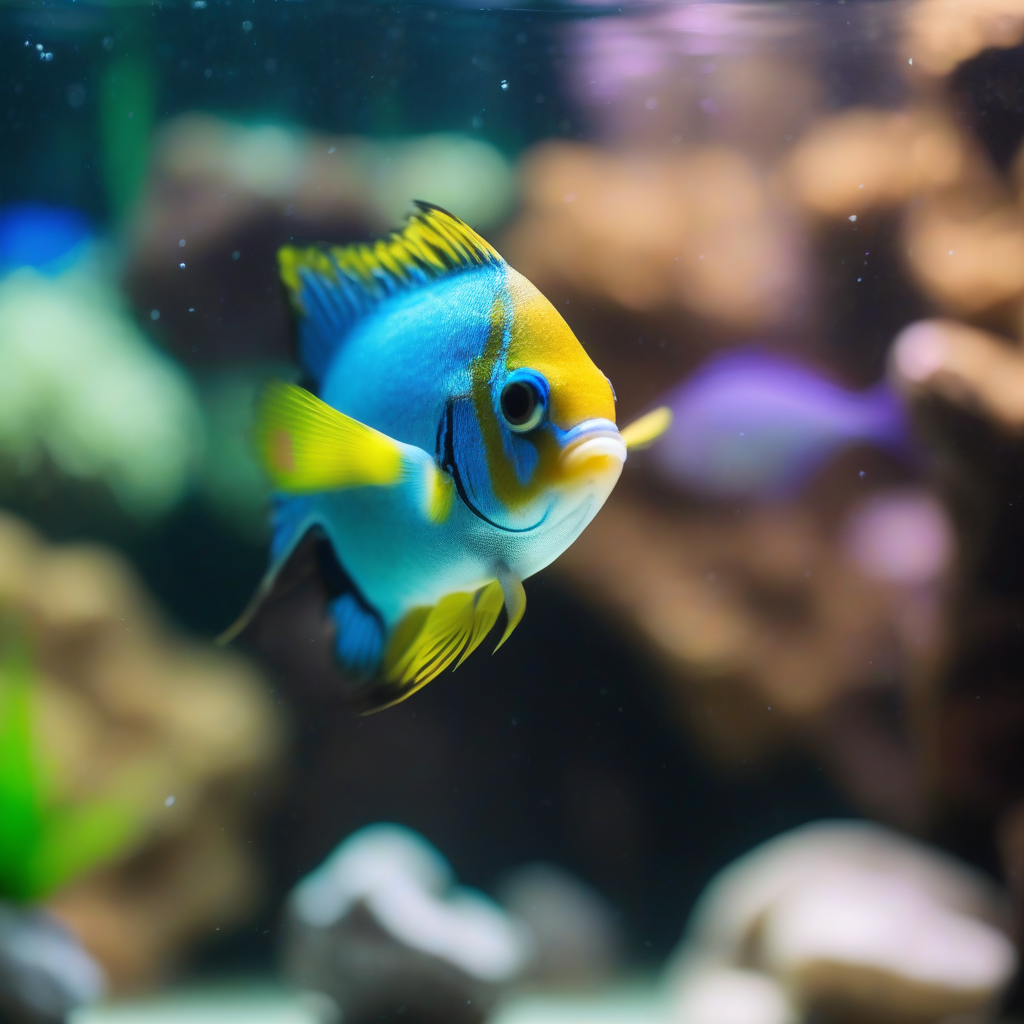
In this article, you will find comprehensive information on the insidious neurotoxic effects of heavy metal poisoning in aquarium fish, its symptoms, and lifesaving emergency intervention codes. This condition, which can arise from household water sources, improper equipment, or neglect, can severely threaten your fish's quality of life and lifespan.
Some behaviors displayed by our pet birds might, at first glance, seem like just a "habit" or a "quirky tic." However, these repetitive movements are scientifically termed "stereotypical behaviors" in veterinary science and are often silent cries of underlying stress, anxiety, or environmental inadequacy. As of March 2026, new research in pet psychology reveals that these hidden rituals in birds are not just symptoms, but crucial clues pointing towards solutions. In this article, we will examine your feathered friend's repetitive behaviors through a scientific lens and detail how you can support their journey to mental well-being.
Repetitive behaviors are stereotyped, purposeless movements that often arise when birds are deprived of the complex stimuli and social interactions found in their natural habitats. These behaviors are directly linked to brain chemicals released in response to stress, particularly imbalances in dopamine and serotonin. Prolonged stress or lack of stimulation can create maladaptive learning loops in the bird's brain.
Often, bird owners might overlook the root causes of repetitive behaviors. Here are some of these "hidden triggers":
Repetitive behaviors can manifest in various ways:
To break your bird's repetitive behaviors and ensure its mental well-being, a holistic approach is necessary:
Make the cage environment more dynamic and stimulating. This will help your bird satisfy its natural instincts.
Spend quality time with your bird. Talk, sing, gently stroke (if they enjoy it), and play interactive games. Training with positive reinforcement is an excellent way to strengthen your bond.
Establish a predictable daily routine. Feeding times, out-of-cage times, and sleep schedules should be consistent. A secure environment reduces your bird's anxiety levels.
Whenever you observe any repetitive behavior, always consult a veterinarian to determine if there's an underlying physical cause. Sometimes medical treatment or dietary changes may also be necessary.
Your bird's repetitive behaviors are a sign that it's trying to communicate something to you. Instead of viewing these behaviors merely as a "problem," consider them as a window into your feathered friend's inner world. With scientifically-based environmental enrichment, adequate social interaction, and regular veterinary check-ups, you can improve your bird's mental health, helping it lead a happier and more balanced life. Remember, patience and consistency are the most important components of this healing process.
