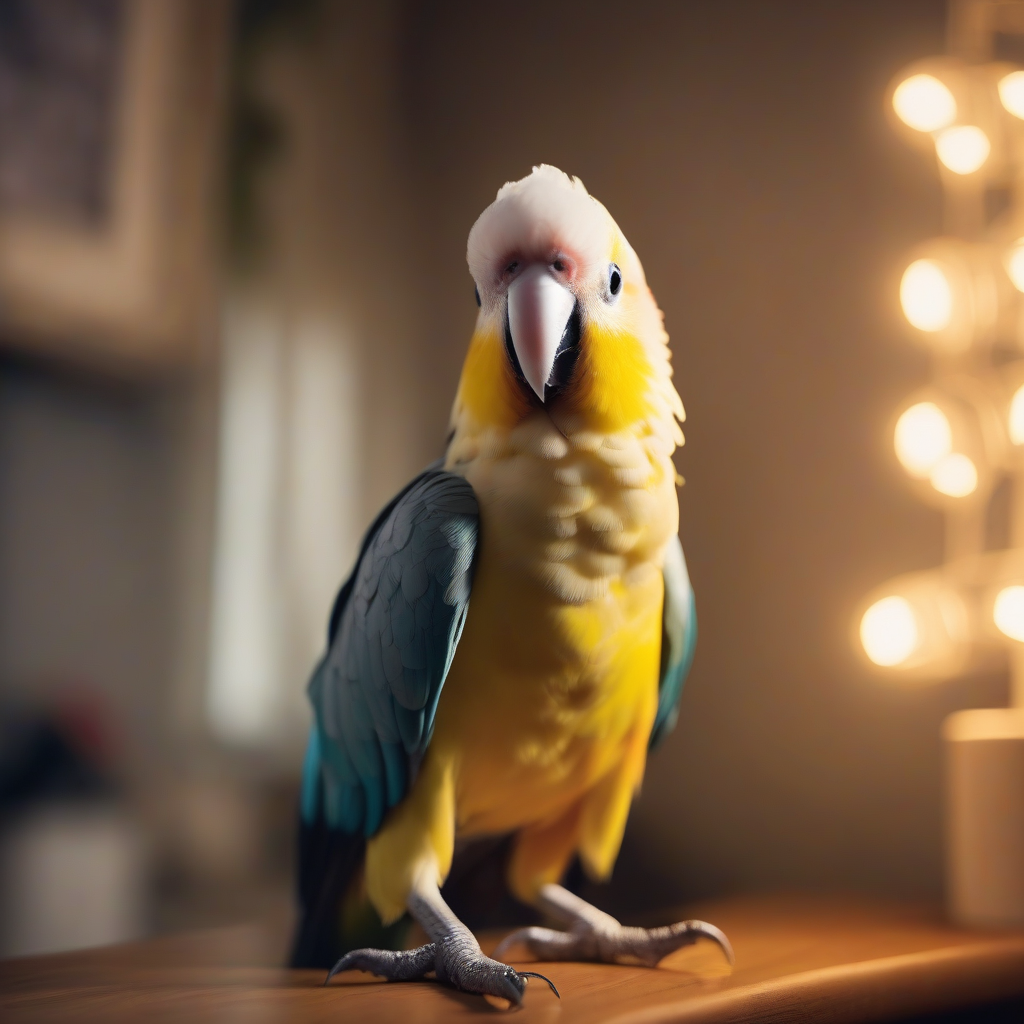
Your pet birds have an invisible need: the UVB and UVA spectrums of natural sunlight. In this in-depth guide, discover the vital effects of these critical lights on Vitamin D synthesis, bone health, behavior, and overall well-being with scientific secrets. Learn how to create the optimal habitat for your feathered friend by avoiding the pitfalls of incorrect lighting and recognizing potential deficiency symptoms. Reshape your lighting strategies in the light of science for a healthy and happy bird.


Discover the neurobiological signals of hidden stress your newly adopted cat experiences during adaptation to a new social environment. This article reveals 5 insidious signs of your cat's silent struggle and scientific strategies for peaceful, long-term harmony.

Your dog's anal sacs, located beneath the tail, can be hidden alarm bells often overlooked but profoundly affecting their quality of life. In this article, you will discover the 5 insidious neurobiological effects of anal sac problems on the brain and the lifesaving care secrets you need to know for your furry friend to live a peaceful life.
In this article, you will find comprehensive information on the insidious neurotoxic effects of heavy metal poisoning in aquarium fish, its symptoms, and lifesaving emergency intervention codes. This condition, which can arise from household water sources, improper equipment, or neglect, can severely threaten your fish's quality of life and lifespan.
Although pet birds often live in the comfort of our homes, they experience living conditions significantly different from those of their wild ancestors. One of the most critical and overlooked differences is their exposure to the invisible miracle of natural sunlight: the ultraviolet (UV) spectrum. A cage placed by a window or standard household lighting is simply not enough for your bird's physiological and psychological needs. So, what exactly does this 'secret solar energy' mean, and why is it so vital for your feathered friend?
In this article, we will explore the scientific secrets of the UVB and UVA spectrums, which are crucial for your bird's health and happiness, delve into the potential dangers of deficiency, and examine effective lighting strategies.
Ultraviolet B (UVB) rays are an indispensable source of life for birds. Just like humans, birds synthesize Vitamin D in their skin, specifically on the preen gland oil, when exposed to UVB rays. This oil is then spread onto the feathers, and as the bird preens, the Vitamin D is ingested orally and converted into active Vitamin D3 in the body.
Vitamin D is a critical hormone that regulates calcium and phosphorus absorption in the body. Without adequate Vitamin D, no matter how rich your bird's diet is, it cannot properly metabolize calcium. This can lead to serious health issues such as metabolic bone disease, especially in egg-laying females or rapidly growing juvenile birds. Weak bones, brittle beaks, and even paralysis can be the painful consequences of Vitamin D deficiency. Therefore, access to UVB is absolutely essential for maintaining your bird's strong bone structure and overall physiological balance.
Ultraviolet A (UVA) rays do not directly provide vitamin synthesis as UVB does, but they have a profound impact on how birds perceive the world and their behavior. Birds, unlike humans, can see colors in the ultraviolet spectrum. This means they perceive the world with a much richer and more complex color palette.
UVA allows birds to see hidden ultraviolet patterns in their feather colors. These patterns play a critical role in mate selection, social hierarchy, and interspecies communication. Without UVA, a bird cannot perceive the full attractiveness or status of a potential mate or other members of its flock. This can lead to problems in social interactions and even behavioral abnormalities, such as those discussed in Your Bird's Hidden Rituals: Scientific Secrets of Repetitive Behaviors and a Guide to Mental Well-being.
UVA light also affects birds' moods and general well-being. Natural light cycles and spectrums can regulate the production of important neurotransmitters like serotonin, reducing stress levels and encouraging natural behaviors. Birds without sufficient UVA exposure may exhibit more anxious, aggressive, or apathetic behaviors. Even issues like Is Your Bird Feather Plucking? Invisible Triggers and Scientific Solutions for Lifelong Comfort Secrets can be partly linked to inadequate environmental stimulation and stress.
Many bird owners believe their birds get enough sunlight by placing their cages by a window. However, this is a major misconception. Standard window glass blocks a significant portion of ultraviolet rays, especially UVB. This means that no matter how long your bird looks out the window, it won't receive the UVB necessary for Vitamin D synthesis. For indoor birds without direct access to natural sunlight, full-spectrum UVB/UVA lamps are indispensable.
To ensure your pet birds have access to this vital light spectrum, you must use specially designed full-spectrum UVB/UVA lamps. However, correct selection and placement are critical:
Some signs that may indicate UVB/UVA deficiency in your bird include:
If you notice any of these symptoms, you should consult a veterinarian immediately.
For your bird to lead a healthy and happy life, a balanced diet, clean water, and a spacious cage are not enough. The invisible ultraviolet light spectrums are cornerstones of their physiological and psychological well-being. Providing proper UVB/UVA lighting will strengthen your bird's immune system, solidify its bones, encourage natural behaviors, and help it develop a more positive outlook on the world. By meeting your bird's secret solar energy needs, you can offer them the full and rich life they deserve.
