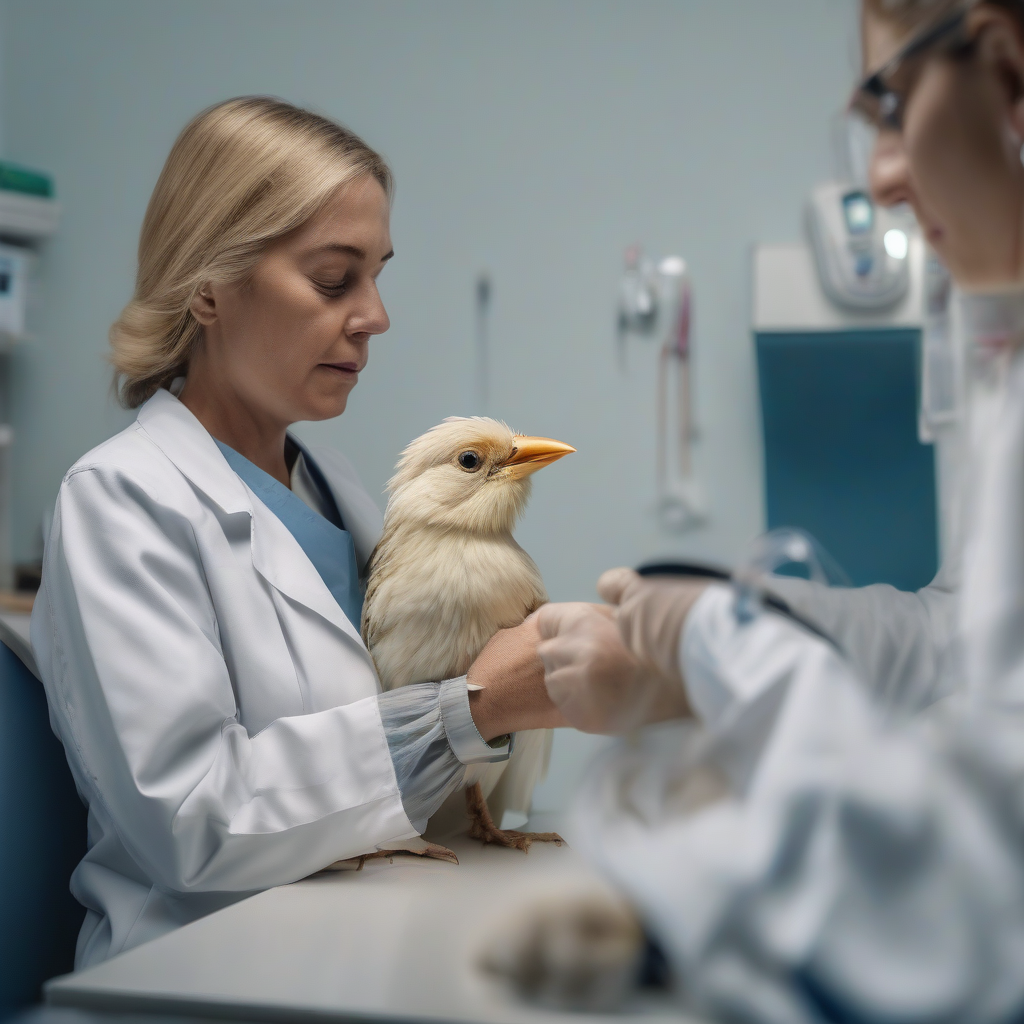
Sudden respiratory distress in your bird can cause panic. In this article, you will learn the first aid steps that will save your bird's life and the critical signs that are often overlooked.


Discover the neurobiological signals of hidden stress your newly adopted cat experiences during adaptation to a new social environment. This article reveals 5 insidious signs of your cat's silent struggle and scientific strategies for peaceful, long-term harmony.

Your dog's anal sacs, located beneath the tail, can be hidden alarm bells often overlooked but profoundly affecting their quality of life. In this article, you will discover the 5 insidious neurobiological effects of anal sac problems on the brain and the lifesaving care secrets you need to know for your furry friend to live a peaceful life.
In this article, you will find comprehensive information on the insidious neurotoxic effects of heavy metal poisoning in aquarium fish, its symptoms, and lifesaving emergency intervention codes. This condition, which can arise from household water sources, improper equipment, or neglect, can severely threaten your fish's quality of life and lifespan.
Experiencing your flying friend suddenly having difficulty breathing is one of the most terrifying situations any bird owner can face. Due to their delicate respiratory systems, birds are extremely sensitive to environmental changes and sudden stressors. In such emergencies, correct information and rapid intervention can save your feathered friend's life. In this article, we will delve deep into the steps you should take when your bird experiences sudden respiratory distress and the critical signs that might be overlooked.
Respiratory distress in birds doesn't always manifest as obvious gasping for air. Sometimes, it begins with much subtler, easily overlooked signals. Recognizing these early signs allows you to quickly identify the situation and initiate the right intervention.
If you notice one or more of the above signs in your bird, remain calm and follow these steps:
Provide a Calm Environment: Move your bird to a quiet, dimly lit, and warm environment. Avoid sudden movements and loud noises. This will help reduce its stress and aid its breathing. Our article Your Bird's 'Silent Language Outside the Cage': Scientific Codes of Unexplained Post-Adoption Behaviors and the Art of Building Trust (March 2026) also highlights the importance of a quiet environment.
Provide Oxygen (Temporary Solution): If you have a nebulizer or oxygen concentrator, keep your bird's cage near it. Never point an oxygen tank directly at the bird or administer oxygen at a high flow rate. The aim is to enrich the ambient air with oxygen. This can be lifesaving while you reach a veterinarian.
Control Temperature: Keeping your bird's surroundings warm is important, but avoid overheating. A heat lamp or a warm water bottle (placed so it doesn't directly touch the bird) can be used. Maintaining body temperature can alleviate the respiratory workload.
Contact a Veterinarian: This is the most critical step. Even if your bird's condition is unstable, take it to a veterinarian specializing in birds as soon as possible. In an emergency, your vet may also be able to assist you with initial interventions over the phone. Guides like Your Bird's Sudden Respiratory Distress: Lifesaving First Steps and Overlooked Signs (March 2026 Emergency Guide) can guide you.
Mechanical Ventilation if Necessary (Professional Help): Your veterinarian may use specialized equipment to provide respiratory support depending on the bird's condition. You should never attempt such an intervention at home.
There can be many causes of respiratory distress in birds:
To prevent these emergencies:
Remember, your bird's health and life depend on your careful observation and prompt action. In case of sudden respiratory distress, by following the steps in this guide without panicking, you can achieve the best outcomes.
