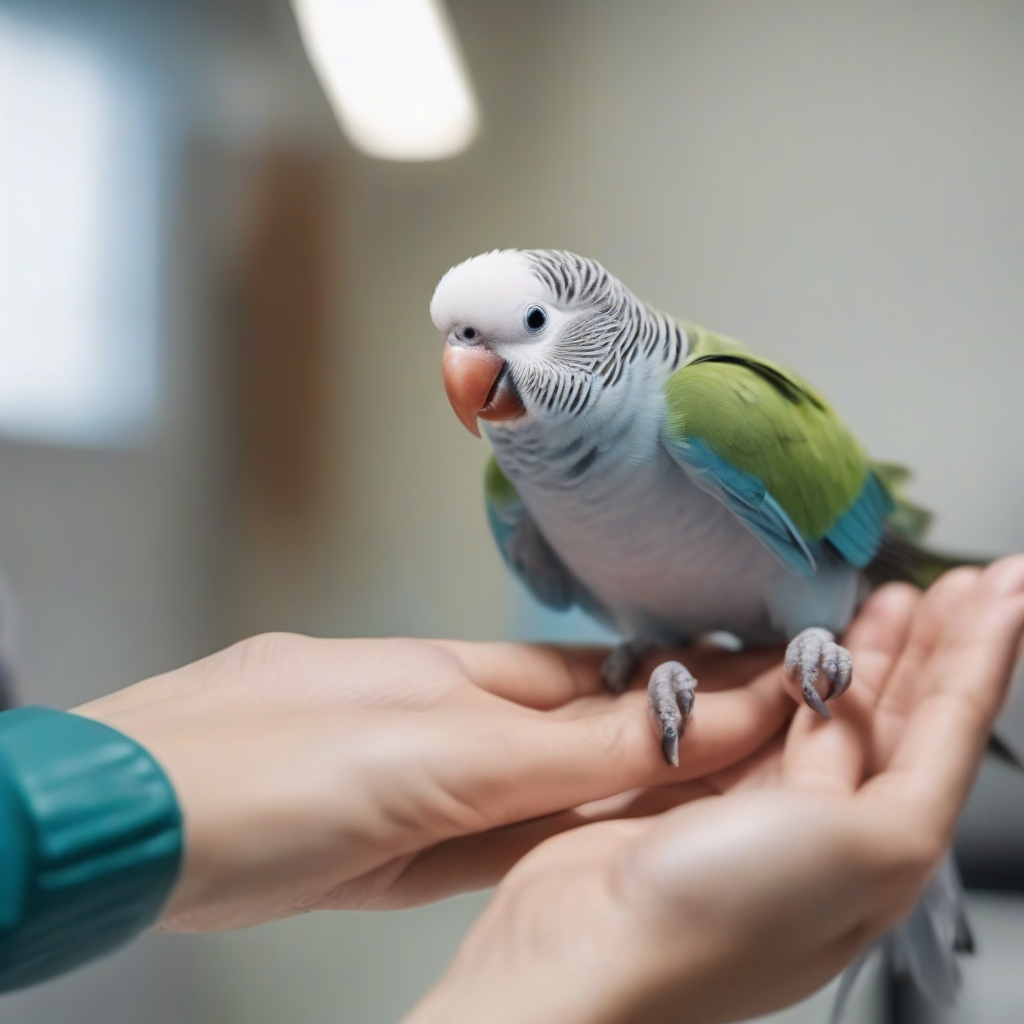
In this article, you will find scientific training techniques and overlooked secrets to reduce your bird's stress and ensure voluntary cooperation during vet visits and routine care.


In this article, you will discover the 5 insidious neurobiological effects of the Encephalitozoon Cuniculi parasite, which is often overlooked in rabbits but severely affects the brain, along with lifesaving early diagnosis methods.

In this article, we will deeply explore the insidious neurobiological effects of gut microbiome imbalance (dysbiosis) on your rabbit's brain health and provide scientific-based solutions to maintain mental vitality.

In this article, you can find comprehensive information on how pancreatitis in dogs not only affects the digestive system but also insidiously impacts the brain, its neuroinflammatory mechanisms, and lifesaving emergency intervention strategies.
Bird owners know that veterinary visits or routine care (like nail trims, wing checks if applicable) for our tiny companions can often turn into a major source of stress. Birds that fear being taken out of their cage, being touched by unfamiliar hands, or even just being held with a towel, can turn these experiences into a nightmare for themselves and their owners. However, this situation is not inevitable. With scientifically based training methods, you can enable your bird's voluntary participation in examinations, minimizing stress, protecting its health, and strengthening the bond between you. In March 2026, WikiPet focuses on this special topic, revealing the overlooked scientific secrets for a more harmonious care process with your bird.
Your bird's resistance to examination often stems not from malice, but from a survival instinct. As prey animals, they possess a natural defense mechanism against being touched or restrained. Understanding these behavioral responses is the first and most critical step in the training process.
Birds are naturally extremely cautious and vigilant creatures. Any restraint or unexpected touch represents a threat of being caught by a predator. Therefore, their "resistance" to being handled or examined is actually a survival strategy encoded in their genes. Past negative experiences, rough handling, or traumatic vet visits can also reinforce this resistance. This deeply affects their expectations in human interaction and the process of building trust. Our article, Your Bird's 'Hidden Sense of Justice': Expectations in Human Interaction and the Scientific Secrets of Deep Bonding, explores how these expectations are shaped in more detail.
Voluntary cooperation, beyond your bird being merely a "well-behaved" pet, is a skill that directly impacts its quality of life. Being able to diagnose a bird's pain or illness at an early stage is vital. If every check-up becomes a struggle, the risk of overlooking these early signs or delaying routine checks increases. Voluntary examination training facilitates this process, ensuring potential health issues are noticed in time. Furthermore, this training can help prevent biting behaviors mentioned in the article Turn Your Bird's 'Biting Behavior' into Therapy: Scientific Training Secrets to Facilitate Vet Visits!.
Preparing your bird for examination is a scientific process based on patience, consistency, and positive reinforcement principles. Here are the cornerstones of this process:
It's crucial to begin the training process in an environment where your bird feels secure. The cage should be a sanctuary for them, and a "comfort bridge" should be built between them and the outside world. The first step is to talk to them gently, move slowly, and make your presence known before touching them. Understanding your bird's Silent Language Outside the Cage, as described in our article, will guide you through this process. Over time, you can interact with them by gently inserting your finger into the cage or reaching out, accompanied by small rewards. This is the first step of desensitization; gradually accustomed them to the stress factor (your hand).
Positive reinforcement is a powerful tool that increases the likelihood of desired behaviors being repeated in the future by rewarding them. Food treats, praise, and favorite toys can be used in training. The "pairing technique" involves associating an object your bird fears or is wary of (e.g., a vet's stethoscope or nail clippers) with a positive experience. First, show the object from a distance, then give a reward. Reward them every time they approach the object or don't react negatively. This helps the fear object become neutral or positive.
Voluntary examination training requires taking baby steps. Rushing can reverse the entire process. Start with:
Birds' ability to feel in control and predict events significantly reduces their stress levels. As part of training, you can strengthen this feeling by offering your bird choices. For example, give them a cue like "Are you ready?" and expect a positive response (e.g., leaning towards you). If they don't respond, respect their choice and try again next time. This is a way to gain their consent and make the process less traumatic. Target training can also help at this point; rewarding them for touching a specific target increases their sense of control.
Before an actual vet visit, creating a similar environment at home facilitates your bird's adaptation. Conduct small examination trials in different rooms, on different surfaces (e.g., on a table). If a carrier cage is used for vet visits, associate this cage with positive experiences (put their favorite foods inside, allow them to spend short periods in it). Routinization helps your bird manage expectations and eliminates the element of surprise.
The most common mistakes in this process are impatience, forcing, and inconsistency. Never force your bird or make movements that will scare it. If there's any regression, return to a previous successful step and re-structure the process. Keep training sessions short, positive, and regular.
Voluntary examination training for your bird not only makes vet visits easier but also improves its overall mental health and quality of life. Early diagnosis possibilities mean serious health issues can be addressed before they escalate. Furthermore, this training process builds a deep bond of trust and understanding between you and your bird, enriching the life you share. Remember, a happy bird is a healthy bird!
