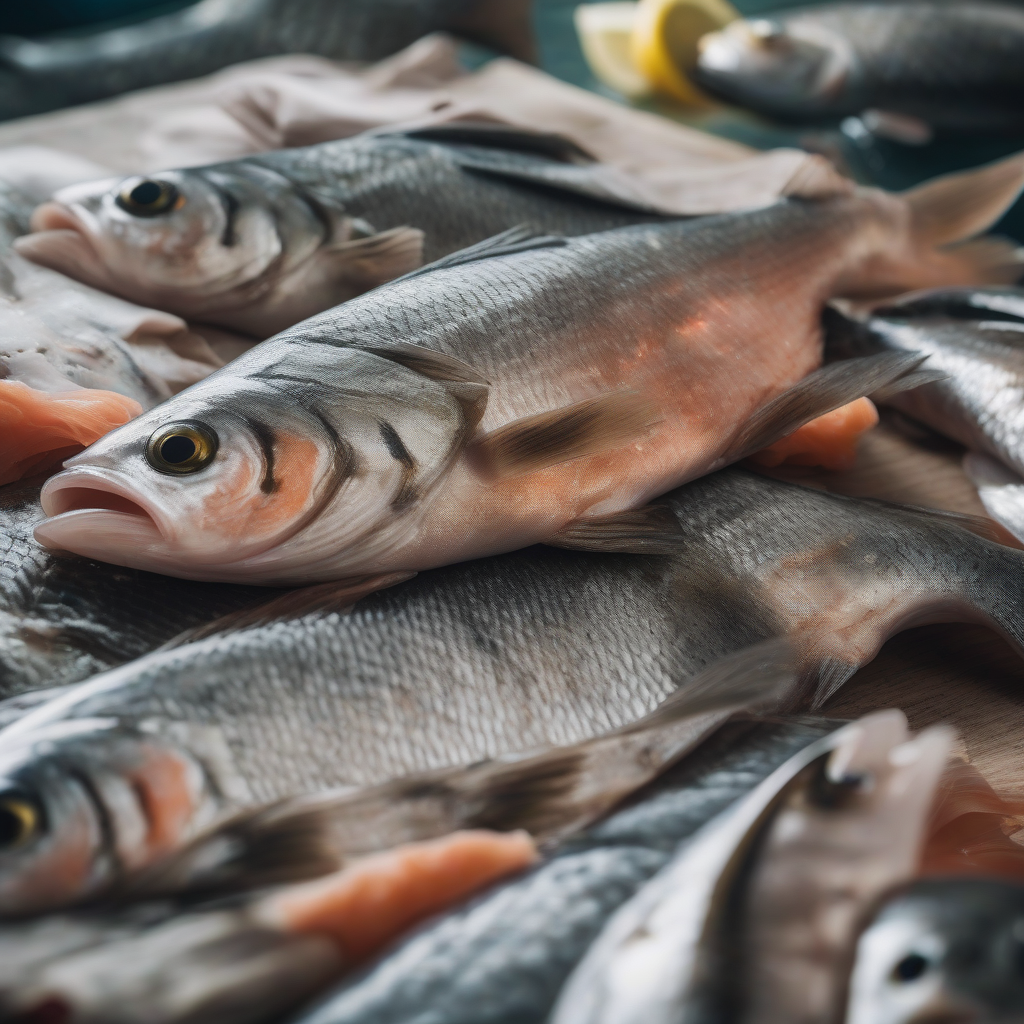
In this article, discover the reality that fish do not thrive alone and need social interaction, and the scientific secrets to creating a harmonious living space in an aquarium.


In this article, you will discover the 5 insidious neurobiological effects of the Encephalitozoon Cuniculi parasite, which is often overlooked in rabbits but severely affects the brain, along with lifesaving early diagnosis methods.

In this article, we will deeply explore the insidious neurobiological effects of gut microbiome imbalance (dysbiosis) on your rabbit's brain health and provide scientific-based solutions to maintain mental vitality.

In this article, you can find comprehensive information on how pancreatitis in dogs not only affects the digestive system but also insidiously impacts the brain, its neuroinflammatory mechanisms, and lifesaving emergency intervention strategies.
If you think of fish as merely 'swimming creatures in water,' you might be mistaken. Recent research reveals that fish, much like many other animals, possess complex social intelligence and require social interaction to lead a healthy life in an aquarium environment. Fish left alone can experience stress levels you wouldn't imagine, significantly degrading their quality of life. In this article, we will embark on a journey into the hidden social world of your fish and explore the scientific secrets to creating a peaceful and harmonious living space in your aquarium.
For many years, fish were thought to be individual beings, and social interaction was considered insignificant for them. However, this misconception stems from our insufficient observation of fish behavior. Most aquarium fish species live in shoals in their natural habitats, and this social structure forms the basis of their survival strategies. Living in shoals offers them protection from predators, more effective feeding opportunities, and reproductive advantages. Furthermore, fish communicate with each other through invisible signals. These signals can be transmitted via scents, visual cues, and even water vibrations. These complex interactions not only ensure their survival but also maintain their psychological balance.
Fish communication involves many channels that are not always visible to the human eye. For instance, some fish species send signals to each other using pheromones secreted from their bodies. These pheromones can act as warnings in times of danger or be used to attract mates during breeding periods. Another form of communication is visual. Color changes, fin positions, and body movements allow fish to convey information about their emotional states, intentions, or social status to each other. Additionally, fish can perceive water vibrations, enabling them to understand the presence and movements of other living beings in their environment. These hidden communication networks form the basis of fish's social intelligence.
Ensuring social harmony among your fish in the aquarium is achievable not only through species selection but also through the proper arrangement of their living space. Here are scientifically proven strategies for your fish to lead happier and healthier lives:
Each fish species has different social requirements. While some species prefer to live alone, for most, living in shoals is essential. Researching species compatibility and choosing fish that can live together in the same aquarium is critically important. Providing the minimum group size required for a species is the most effective way to reduce stress and encourage them to exhibit natural behaviors. For example, Tetra species are happiest in groups of six or more. This group size ensures that individuals feel comfortable and that the social hierarchy is more stable. Incorrect species selection or insufficient group size can lead to aggressive behavior, stress, and even fatalities.
For fish to feel secure in the aquarium, their social interactions are positively affected. Dense planting, caves, driftwood, and other decorative elements create hiding places and safe zones for the fish. These areas are vital for more timid fish seeking to escape dominant individuals. Furthermore, environmental enrichment stimulates fish curiosity and encourages natural exploratory behaviors. This ensures their mental stimulation and prevents boredom. Similarly, factors such as water flow and lighting in the aquarium can also affect fish behavior and social interactions. For example, as highlighted in the article Your Fish's Hidden Habitat Secret: The Aquarium Substrate Microbiome and Health Codes!, the substrate microbiome and the overall environmental balance of the aquarium form the basis for fish welfare.
Like any social group, a hierarchy forms among aquarium fish. Dominant individuals often have greater access to resources, while timid individuals may be under pressure. If there is an overly aggressive or dominant fish in the aquarium, it can cause significant stress for other fish. In such situations, strategies like temporarily separating individual fish or altering the aquarium setup can help rebalance the hierarchy. In our article titled The Hidden Social Map of Your Aquarium: Fish Hierarchy, Aggressive Behaviors, and Scientific Secrets to Creating a Peaceful Habitat, we examine this topic in more detail. Furthermore, ensuring an equitable distribution during fish feeding is an effective method for reducing aggressive behaviors. As mentioned in the article Your Fish Food's 'Invisible Shelf Life': Scientific Secrets of Nutrient Degradation and Its Silent Impact on Aquarium Inhabitants' Health!, feeding has a direct impact on social interactions.
If you are interested in schooling fish, promoting schooling behavior in your aquarium will increase your fish's happiness. Small, peaceful species that prefer to live in shoals create a dynamic and tranquil environment in your aquarium. For example, Neon Tetras, Cardinal Tetras, Rasboras, and Danios tend to move in schools and feel more secure when living together. By observing the behavior of these species, you can better understand how important their social interactions are. As emphasized in the article Your Fish's Hidden Mind: Decode the Subtle Signs of Sudden Ammonia Poisoning in 5 Minutes!, aquarium water quality and balance are fundamental to both the physical and social health of fish.
When adding new fish to your aquarium, it is important to be careful and patient. It can take time for new fish to integrate into the existing social structure. Observing them in a quarantine tank first and then slowly introducing them to the main aquarium minimizes stress. Making minor adjustments to the aquarium layout can help the new fish find its own 'territory.' While adaptation strategies for other animals, such as Your Cat's Gentle Transition to a New Home: 5 Subtle Signals and Behavioral Codes for Building Trust (March 2026), are applicable in principle to fish, they have unique communication and adaptation methods. Observing the new fish for signs of stress and temporarily separating them if necessary will prevent potential conflicts.
Understanding the social intelligence and interaction needs of fish can completely change our aquarium experience. Seeing them not just as decorative elements but as complex social beings allows us to create healthier, happier, and more harmonious aquariums. With the right species selection, appropriate habitat arrangement, and understanding of social hierarchy, you can ensure your fish not only survive but also thrive. Remember, social fish mean happier aquariums.
