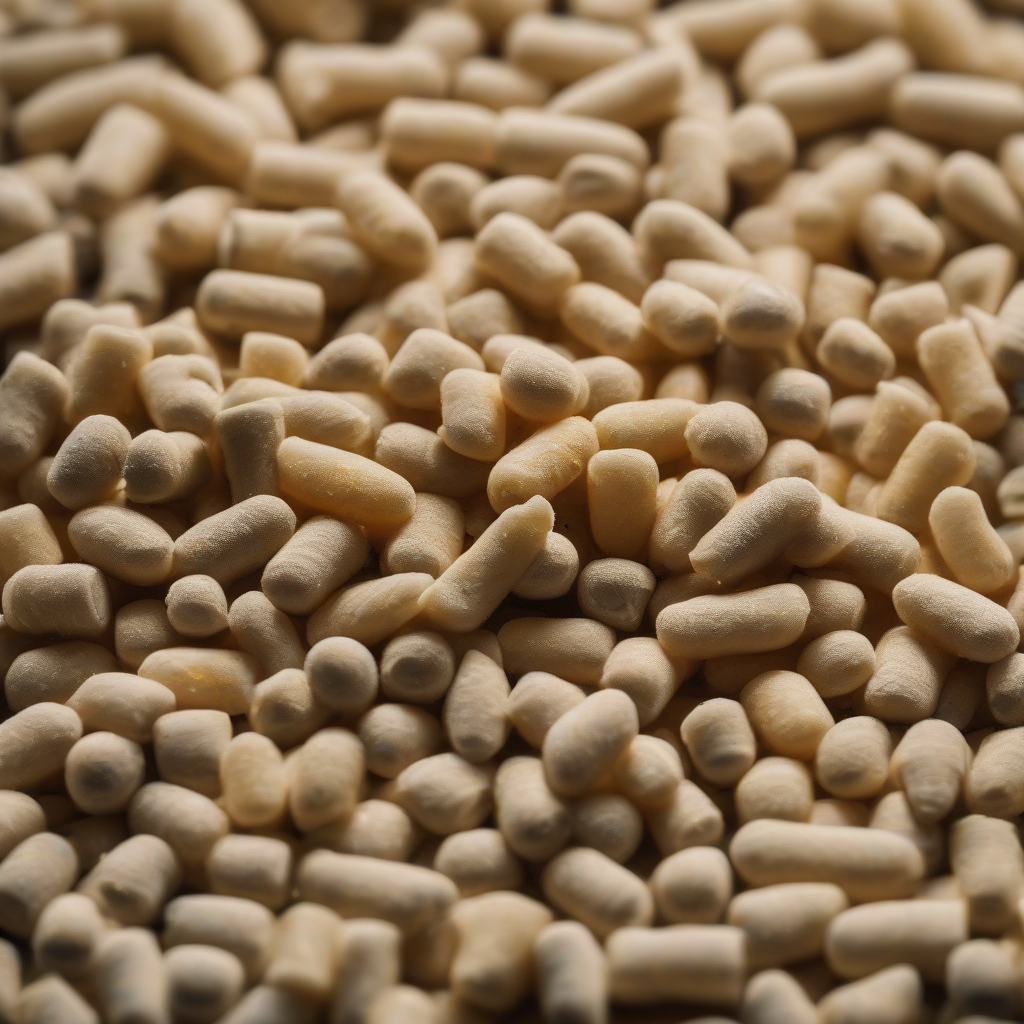
In this article, you will discover the hidden shelf life of fish food beyond the expiration date on the package, the scientific reasons behind nutrient degradation, and the silent yet devastating effects of this on the health of your aquarium inhabitants. We reveal the importance of proper food storage techniques as much as correct food selection, backed by scientific data.


In this article, you will discover the 5 insidious neurobiological effects of the Encephalitozoon Cuniculi parasite, which is often overlooked in rabbits but severely affects the brain, along with lifesaving early diagnosis methods.

In this article, we will deeply explore the insidious neurobiological effects of gut microbiome imbalance (dysbiosis) on your rabbit's brain health and provide scientific-based solutions to maintain mental vitality.

In this article, you can find comprehensive information on how pancreatitis in dogs not only affects the digestive system but also insidiously impacts the brain, its neuroinflammatory mechanisms, and lifesaving emergency intervention strategies.
While choosing the right food is crucial for the health and vitality of your aquarium fish, maintaining its freshness and nutritional value is equally critical. Most aquarium owners rely on the expiration date on the food package. However, you should know this: your fish food's 'invisible shelf life' can be much shorter than the date on the packaging! So, how does this overlooked detail silently undermine your fish's health, and how can you prevent it?
Fish food, like human food, has a specific shelf life. However, this period dramatically shortens once the package is opened or under improper storage conditions. The vitamins, minerals, fats, and proteins within the food are highly sensitive to environmental factors. Oxygen, light, humidity, and temperature are the four main enemies that cause these valuable nutrients to break down rapidly. Unfortunately, this degradation process often doesn't create visible changes, making it an 'invisible' threat.
The nutrients in fish food lose their properties over time due to various chemical reactions and physical factors.
Fats found in fish food, especially unsaturated fats like omega-3 fatty acids, react with oxygen when exposed to air. This process is called oxidation and not only spoils the taste of the food but also leads to the formation of free radicals. Free radicals can damage fish cells and negatively affect their overall health. Oxidation also consumes natural antioxidants in the food, such as vitamin E, leaving the food vulnerable.
Many vitamins, especially water-soluble vitamins like C and B vitamins, degrade easily when exposed to light, heat, and air. For example, vitamin C, vital for fish, is essential for immune system functions and bone development but oxidizes very quickly. Similarly, minerals can react in humid environments, losing their bioavailability or becoming less accessible for fish digestion.
Proteins are the fundamental building blocks for fish growth, muscle development, and overall metabolism. However, proteins in improperly stored food can denature or their amino acid chains can break down. This reduces the quality of the food's protein and makes it difficult for the fish's digestive system to utilize these nutrients efficiently. As a result, even if fish consume enough protein, they may be undernourished due to poor protein quality.
Fish fed with degraded food may not show any obvious problems in the short term. However, in the long term, this situation leads to serious health issues.
Insufficient intake of vitamins and minerals weakens the fish's immune system. Vitamins C and E, in particular, are important antioxidants that boost the immune response. A deficiency in these vitamins makes fish vulnerable to diseases. For example, their risk of contracting common infections like The Hidden Killer in Your Aquarium: Early and Lifesaving Signs of 'White Spot' Disease in Your Fish increases. Furthermore, as we mentioned in our article Your Fish's Invisible Shield: Scientific Secrets of the Mucus Layer and 5 Critical Care Shields Against Diseases, natural protective barriers such as the mucus layer can also weaken due to inadequate nutrition.
For fry and juvenile fish, high-quality nutrients are indispensable for rapid growth and proper organ development. Food with reduced nutritional value slows down growth rates, fades their colors, and can even lead to developmental anomalies such as skeletal deformities. This prevents fish from reaching their full potential.
Healthy reproduction requires a high-quality and balanced diet. Inadequate nutrition reduces the reproductive capacity of fish, lowers egg yield, and negatively affects the survival rates of offspring. Chronic undernourishment creates a constant source of stress for fish, leading to behavioral changes and a general decrease in quality of life. This can also reduce the fish's resistance to other health problems, such as those discussed in Your Fish's Invisible Lungs: Early Signs of Gill Diseases and 5 Critical Intervention Secrets.
Here are some scientifically-backed storage strategies you can implement to preserve the nutritional value of your fish food:
After opening the food package, leaving the food in its original packaging increases its exposure to air. Instead, transfer the food to an airtight, opaque container. An airtight container prevents oxygen from reaching the food, slowing down the oxidation process. If possible, it's better to store it in small portions and keep only the amount you will use out.
High temperatures accelerate the degradation of vitamins and fats. Therefore, storing the food in a cool, dry place is ideal. A dark cabinet away from direct sunlight is the most suitable location. For some foods (especially those with high fat content or live/frozen foods), refrigeration is recommended, which significantly extends their shelf life. However, when refrigerating, extra care must be taken to prevent moisture from reaching the food.
Humidity creates a breeding ground for mold and bacteria in fish food. Airtight containers also help in this regard. Additionally, placing a small silica gel packet (ensure it's food-grade) inside the food can help absorb moisture. Never handle food with wet hands or a wet spoon.
The best practice is to buy fish food in small quantities and consume it quickly (e.g., within 2-3 months). If you notice any changes in the food's color, smell, or texture (e.g., foul odor, mold, clumping), you should discard the food immediately. Even newly opened food can rapidly lose its nutritional value if the above storage conditions are not met.
Understanding the 'invisible shelf life' of your fish food and implementing proper storage techniques has a direct and positive impact on the health, growth, and vitality of your aquarium inhabitants. Remember, healthy fish begin with proper nutrition, and at the core of this nutrition lies food that maintains its freshness and nutritional value. With these simple but effective steps, you can create not just a habitat, but a vibrant and healthy ecosystem in your aquarium.
