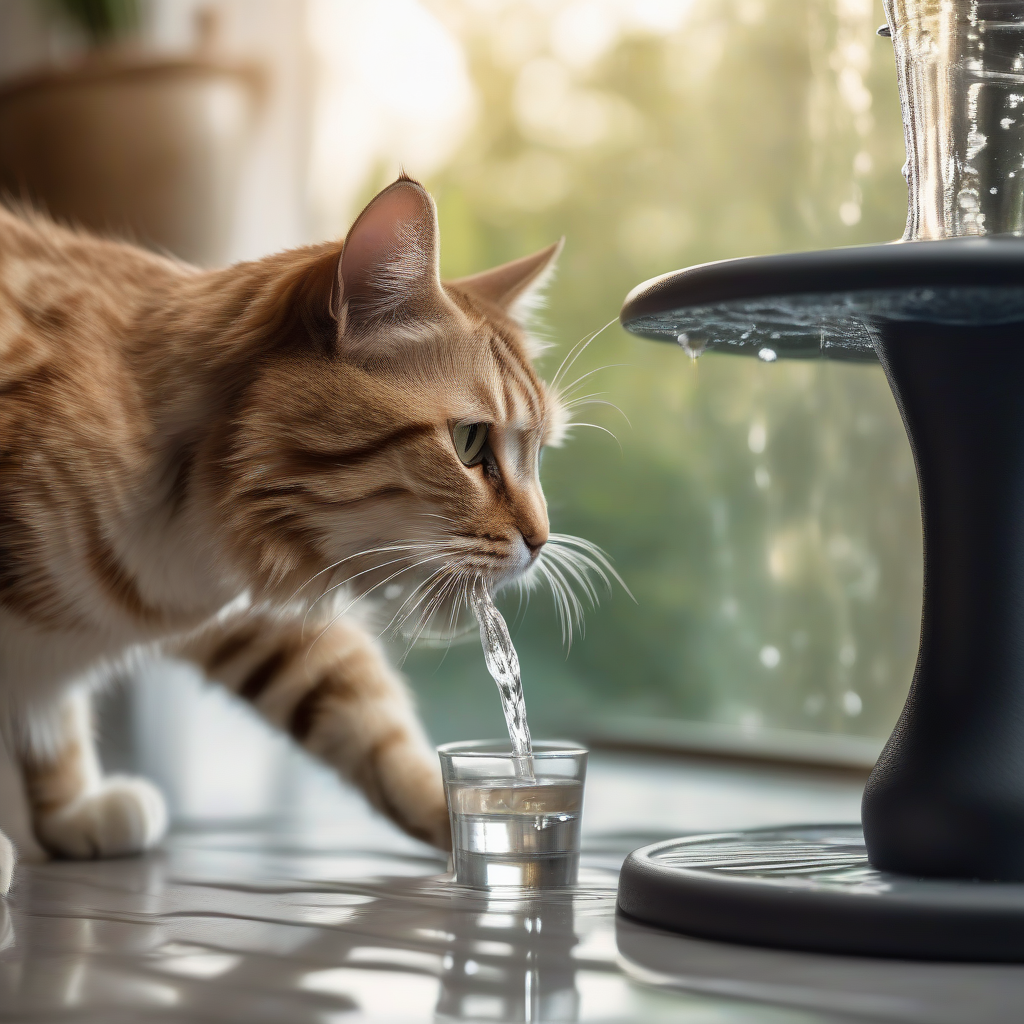
In this article, you will find comprehensive information on the intricacies of feline biological water needs, the potential pitfalls of dry food on urinary tract health, and science-backed nutritional strategies to ensure your cat's optimal hydration.


In this article, you will discover the 5 insidious neurobiological effects of the Encephalitozoon Cuniculi parasite, which is often overlooked in rabbits but severely affects the brain, along with lifesaving early diagnosis methods.

In this article, we will deeply explore the insidious neurobiological effects of gut microbiome imbalance (dysbiosis) on your rabbit's brain health and provide scientific-based solutions to maintain mental vitality.

In this article, you can find comprehensive information on how pancreatitis in dogs not only affects the digestive system but also insidiously impacts the brain, its neuroinflammatory mechanisms, and lifesaving emergency intervention strategies.
Dear cat owners, we strive to do our best for the health of our feline friends. However, often one of the most fundamental physiological needs of cats – water consumption – can be an overlooked blind spot. Cats, having evolved to thrive in desert environments, possess a lower thirst drive compared to other creatures and historically meet a significant portion of their water needs from their prey. For modern domestic cats, this trait, especially in those fed predominantly dry kibble, introduces a risk of 'invisible' dehydration that can lead to serious health issues. As of March 2026, get ready to uncover the nutritional secrets that will save your cat's urinary tract health and enhance their overall well-being, guided by the latest scientific data.
Cats possess a unique metabolism inherited from their desert-dwelling ancestors. This adaptation allowed them to survive in environments with limited water resources. However, as domestic pets, this characteristic presents certain challenges.
Cats in the wild obtain approximately 70-75% of their hydration from the moisture content in their prey. For instance, a mouse contains over 70% water. This naturally leads to cats having a very low perceived need to drink water directly. Often, the water they consume from a bowl constitutes only a small fraction of their total bodily requirement. This is the fundamental biological reason why they are not highly inclined to drink.
The domesticated lifestyle largely removes the hunting instinct from cats. However, their low thirst drive remains genetically ingrained. This creates a risk of chronic dehydration depending on the type of food offered. When adequate water intake is not provided, a significant burden is placed on their kidneys and urinary tract system.
Dry kibble is favored by many cat owners due to its convenience and long shelf life. However, with an average moisture content of around 10%, compared to the 70-80% found in natural prey or wet food, dry kibble becomes a source of 'invisible' dehydration for cats.
When your cat is fed dry kibble, they must drink significantly more water to meet their hydration needs. However, not being biologically programmed to drink that much water, they often fail to consume an adequate amount. This chronic, mild dehydration places constant stress on the kidneys and bladder over time. In the long term, this can pave the way for serious health problems. Even chronic conditions that emerge in some cats can worsen with insufficient hydration. For example, kidney diseases in cats are closely linked to inadequate water intake, and as detailed in our article Your Cat's Invisible Foe: Early Signals of Chronic Kidney Disease and Life-Saving Home Care Strategies, early detection is vital.
Insufficient water intake leads to more concentrated urine in cats. Concentrated urine increases the likelihood of minerals forming crystals. These crystals can lead to the formation of grit or stones in the bladder. This condition can result in painful and dangerous conditions in cats, such as urinary tract obstructions, cystitis (bladder inflammation), and even life-threatening urethral blockages. Optimal hydration is crucial to prevent these problems.
Ensuring your cat's optimal hydration is fundamental to their urinary tract health. Here are science-backed strategies you can implement:
Wet food is the most effective way to support a cat's natural water intake. Thanks to its high moisture content, your cat automatically consumes more water while eating. This dilutes the urine, significantly reducing the risk of crystal and stone formation. Even if a solely wet food diet isn't feasible, incorporating wet food by mixing it with dry kibble or making it a regular part of their daily diet will provide significant benefits.
You need to be creative to encourage your cat to drink more water, not just from food, but directly from water sources:
Your cat's life stage affects their nutritional and hydration needs. Kittens generally require more water, while senior cats may face an increased risk of dehydration due to chronic illnesses or reduced mobility. In older cats, factors such as adequate protein intake can directly impact their overall health and quality of life. For more information on this, you can refer to our article Your Cat's Secret Power Source: Lifesaving Secrets of Protein Quality and Amino Acid Profile. At every age, it's crucial to carefully monitor your cat's water intake and have regular check-ups with your veterinarian.
Dry kibble is not inherently bad. It offers certain benefits and is indispensable for many cat owners. The key is to find a balance.
Some veterinarians suggest that the mild abrasive action of dry kibble can be beneficial for Your Cat's Oral Health: Blind Spots of Hidden Tartar Buildup and Scientific Care Secrets to Stop Periodontal Diseases!. However, this benefit may not outweigh the risks of dehydration. Furthermore, dry kibble is often more economical and easier to store.
The best approach is often a combined feeding model. You can offer wet food during specific meals, while also providing a high-quality, low-carb, high-protein dry kibble at other times. This ensures your cat receives sufficient moisture while also benefiting from the practical advantages of dry food. Remember, overall nutritional quality isn't limited to hydration; even the health and shine of your cat's coat are directly linked to the nutrients they receive. For more information on this, you can check out the article The Hidden Power of Your Cat's Coat Care: Secret Sources of a Shiny Appearance and Health Codes. For digestive system health, adequate hydration supports bowel motility and can play a significant role in managing conditions such as Your Cat's Secret Gut War: Silent Symptoms of IBD and Lifesaving New Treatment Secrets!.
Understanding your cat's 'invisible' water needs and adjusting your feeding strategies accordingly is one of the most crucial steps you can take for their long and healthy life. With a proactive approach, you can avoid many urinary tract problems and significantly enhance your feline friend's overall well-being. As always, consulting your veterinarian before making any dietary changes is the best course of action.
