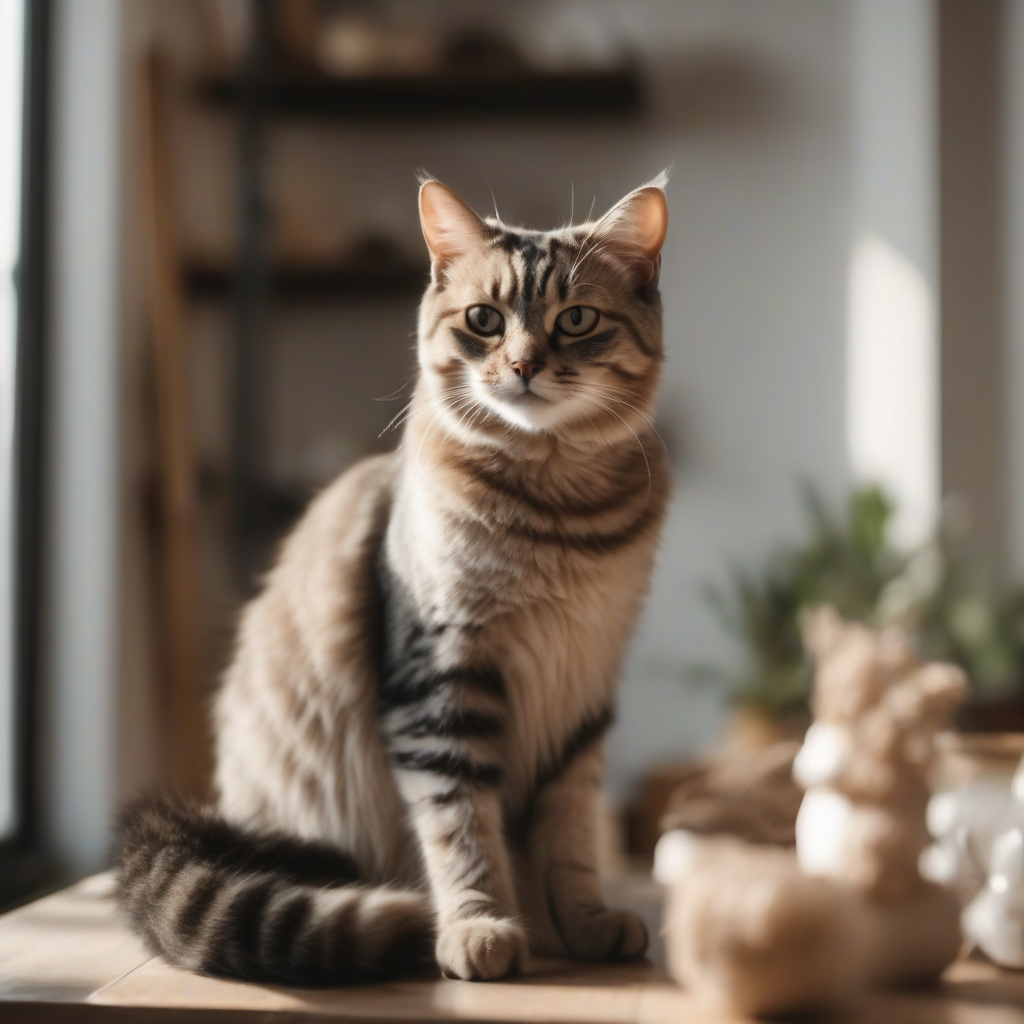
Ever wonder why your cat constantly seeks high places? This article delves into the scientific secrets behind a cat's 'high ground' instinct, its connection to security and peace, and how to optimize your living space.


Discover the neurobiological signals of hidden stress your newly adopted cat experiences during adaptation to a new social environment. This article reveals 5 insidious signs of your cat's silent struggle and scientific strategies for peaceful, long-term harmony.

Your dog's anal sacs, located beneath the tail, can be hidden alarm bells often overlooked but profoundly affecting their quality of life. In this article, you will discover the 5 insidious neurobiological effects of anal sac problems on the brain and the lifesaving care secrets you need to know for your furry friend to live a peaceful life.
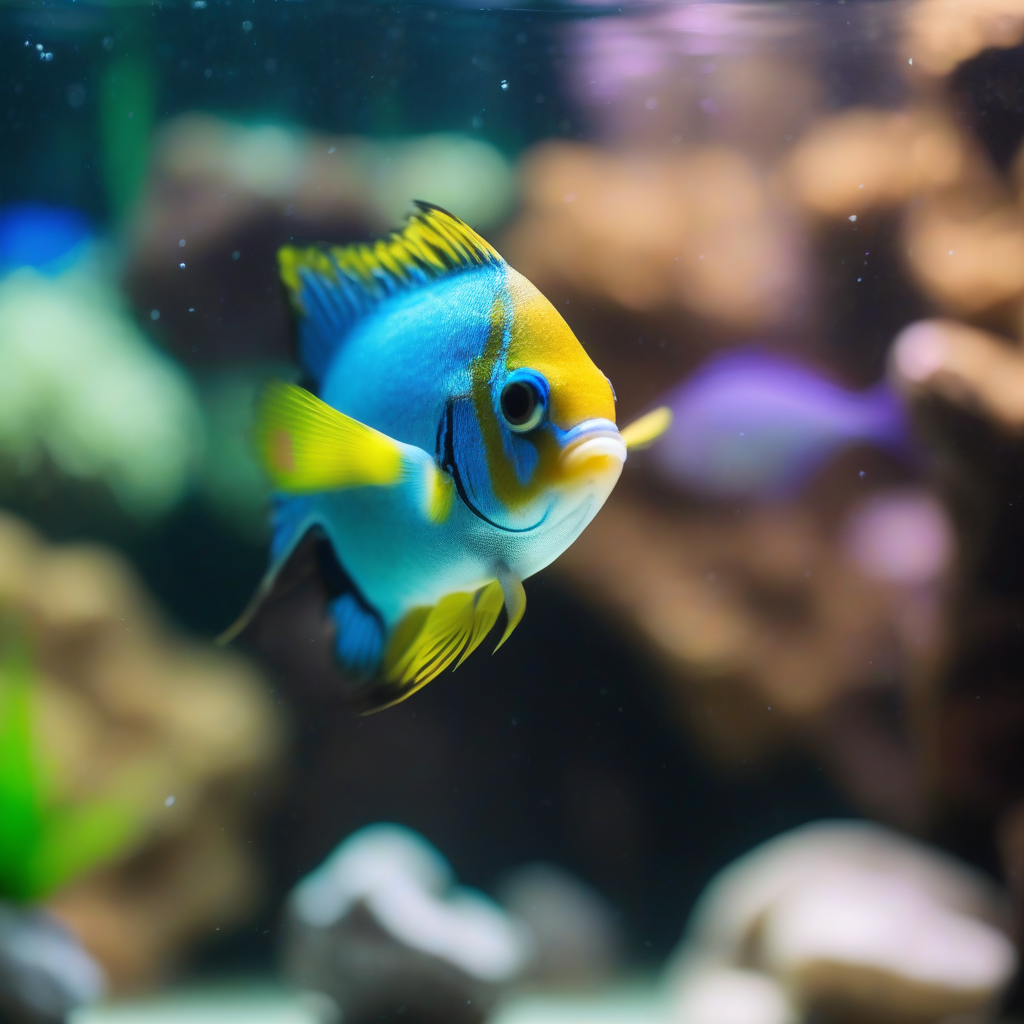
In this article, you will find comprehensive information on the insidious neurotoxic effects of heavy metal poisoning in aquarium fish, its symptoms, and lifesaving emergency intervention codes. This condition, which can arise from household water sources, improper equipment, or neglect, can severely threaten your fish's quality of life and lifespan.
Have you ever wondered why your cat constantly climbs to the top of bookshelves, the highest point on cabinets, or the comfiest spots by the window? This isn't just random behavior; it's an innate drive, rooted in one of a cat's fundamental needs. As of March 2026, current research in veterinary behavior science and pet welfare is shedding even more light on the complex psychological and evolutionary reasons behind this 'high ground' necessity in cats.
Several core reasons lie at the heart of a cat's fascination with elevated perches:
Domestic cats' ancestors were both predators and prey in the wild. This evolutionary heritage has instilled in them a constant state of vigilance. A high vantage point allows your cat to survey its surroundings from a broader perspective, spot potential threats (or interesting happenings) early on, and escape quickly if necessary. This provides them with a superior sense of security. In a home environment, this could be a dog, an unfamiliar noise, or even your sudden movements. Being able to monitor everything from above is akin to having a 'safety fortress' for them.
Cats can be sensitive to changes in their environment. The arrival of a new pet, a rearrangement of furniture, or even minor deviations in their routine can cause them stress. High places offer cats the opportunity to create their own zone of control within a bustling household. This allows them to retreat from overwhelming stimuli or uncomfortable interactions, making them feel calmer and more secure. Just as humans might seek a quiet place to think when stressed, cats utilize high perches for this purpose.
Cats have a natural tendency to define and defend their territory. Surveying their domain from a high point instills a sense of dominance. This can be particularly evident in multi-cat households. The cat occupying the highest spot with the best view often ranks higher in the social hierarchy. This behavior helps cats establish their position and their relationships with other individuals in their environment.
Cats can sleep between 12 to 16 hours a day. A comfortable and safe sleeping place is vital for them. High places are usually areas with less foot traffic, quieter, and away from disturbing elements. This helps your cat achieve deeper, more restful sleep. Additionally, some cats enjoy warmth, and since high places are often in warmer air currents within a home, they can be preferred for this reason.
Meeting your cat's fundamental need for elevated spaces is crucial for its well-being and happiness. Here are ways to transform your living space into a 'high ground paradise' for your feline friend:
These classic solutions provide your cat with a vertical living space. Cat trees with platforms at different heights, scratching surfaces, and hiding spots allow your cat to get both physical exercise and find a safe observation point. Ensure you choose a sturdy and stable model suitable for your cat's size and activity level. If you have multiple cats, make sure there is enough space for each.
Wall-mounted shelves offer both an aesthetic and functional solution. These shelves allow your cat to create its own 'DIY' parkour, a path it can traverse with enjoyment throughout the house. Shelves placed at different heights and angles provide both physical and mental stimulation for your cat. Consider a system supplemented with ramps or other climbing elements to ensure your cat can ascend and descend safely.
Windowsills are spots cats greatly enjoy for observing the outside world. Providing your cat with a special, secure, and comfortable window perch or cushion allows it to enjoy its favorite activity comfortably while feeling secure. These areas can become one of your cat's most frequented spots throughout the day.
Sometimes, rearranging your existing furniture to accommodate your cat's need for high ground is sufficient. Clearing the tops of bookshelves, providing safe access to cabinet tops, or placing chairs where your cat can comfortably climb and rest will offer it additional vertical space. However, when making these arrangements, be sure to take measures to prevent your cat from scratching the furniture.
Cats don't just observe; they also need enclosed, high spaces where they can feel safe. Enclosed beds in cat trees, tunnels mounted on walls, or even a special elevated bed for your cat will offer it secure retreats where it can both rest and hide. These areas create private 'safe zones' your cat can retreat to when feeling stressed or overwhelmed.
Your cat's interest in high places is not merely a climbing instinct; it's a fundamental requirement for its psychological health, safety, and well-being. Understanding this need and arranging your living space accordingly will strengthen the bond with your cat and ensure it becomes a much happier and more balanced pet. Remember, in your cat's world, a high spot isn't just a physical location; it's a source of mental peace. If you're interested in learning more about your cat's adaptation process during a move or general behavioral issues, you can refer to our article, Your Cat's Gentle Transition to a New Home: 5 Hidden Signals and Trust-Building Behavioral Codes (March 2026). Additionally, to understand your cat's reactions to environmental factors, topics such as Your Cat's Invisible Tower: The Psychological Power of Vertical Space and Stress-Reducing Home Design Secrets (March 2026) and Your Cat's 'Secret Architect': The Psychological Impact of Olfactory Signature Areas and Invisible Boundaries (March 2026) are also covered.
