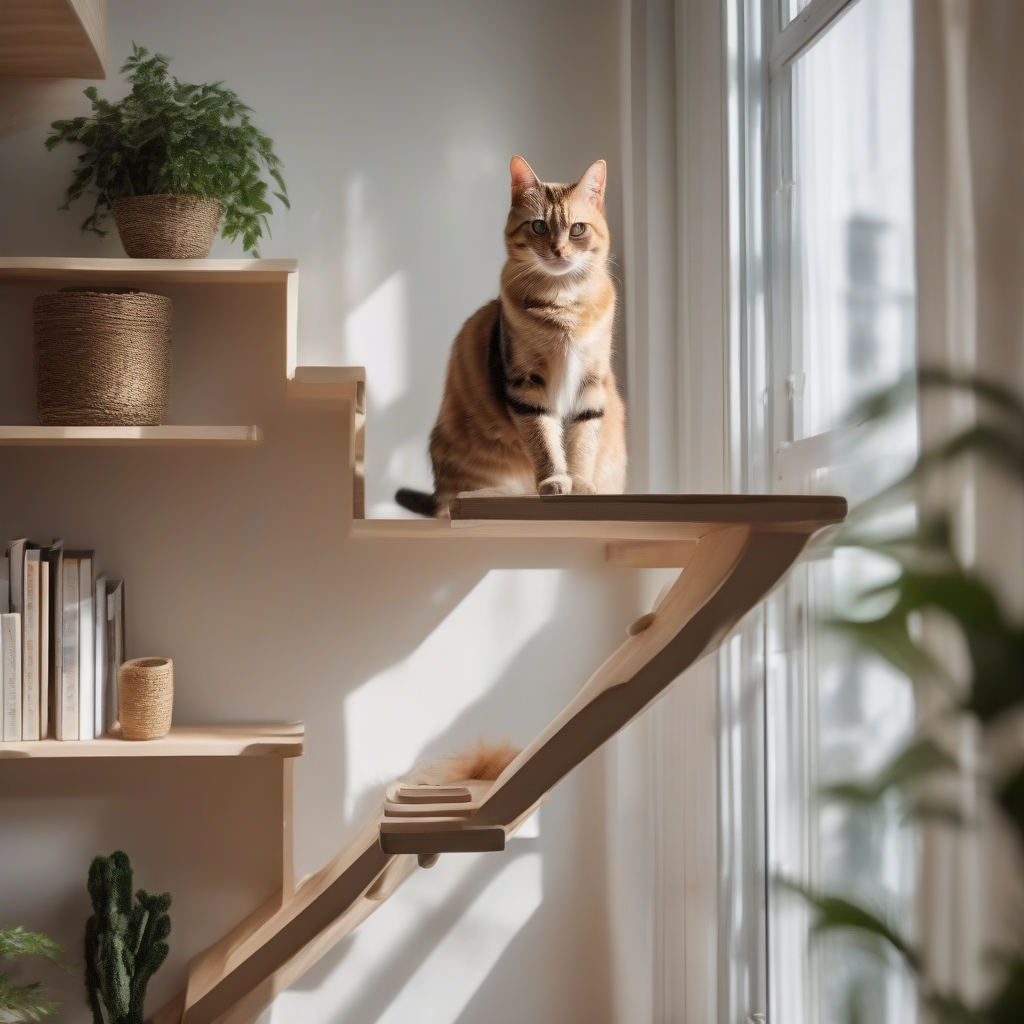
In this article, you will discover your cat's hidden need for vertical spaces in their habitat, its psychological benefits, and scientific secrets to creating a stress-free, enriched environment in your home.


Discover the neurobiological signals of hidden stress your newly adopted cat experiences during adaptation to a new social environment. This article reveals 5 insidious signs of your cat's silent struggle and scientific strategies for peaceful, long-term harmony.

Your dog's anal sacs, located beneath the tail, can be hidden alarm bells often overlooked but profoundly affecting their quality of life. In this article, you will discover the 5 insidious neurobiological effects of anal sac problems on the brain and the lifesaving care secrets you need to know for your furry friend to live a peaceful life.
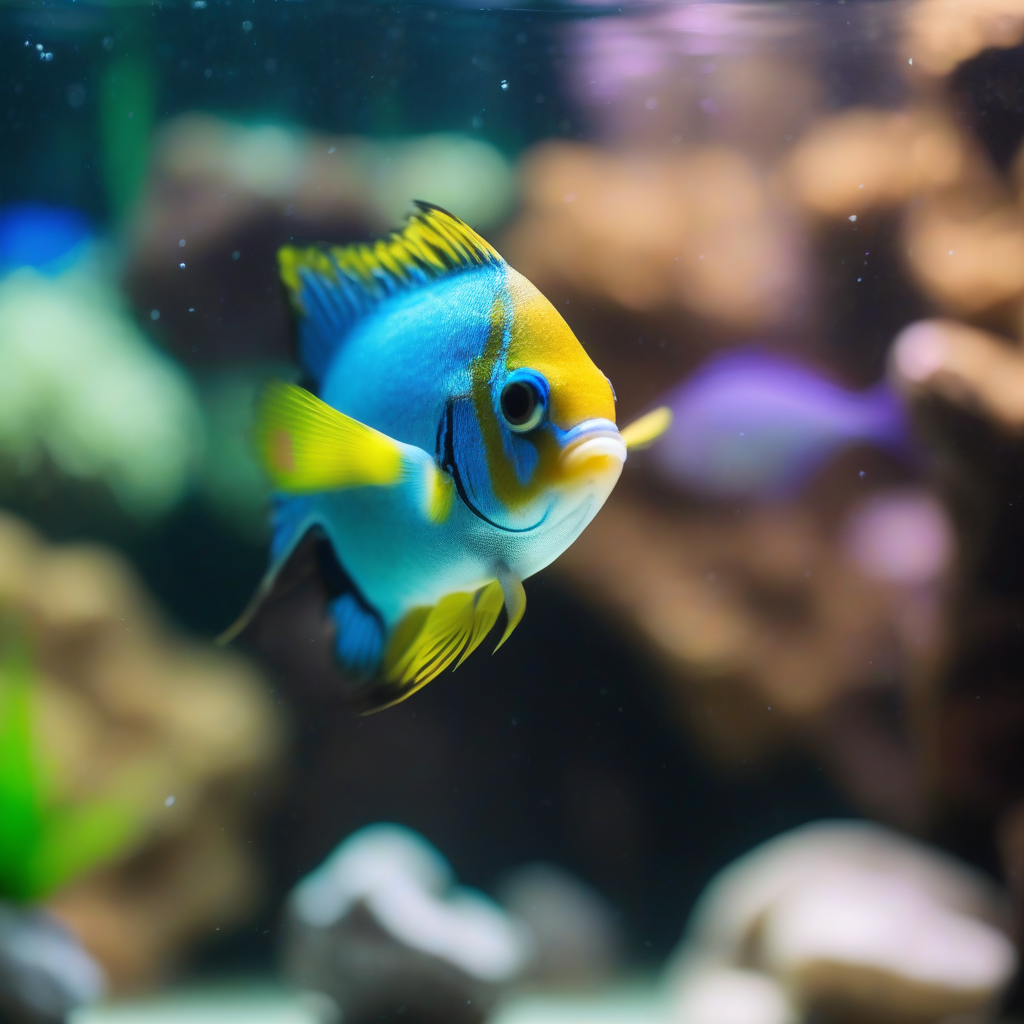
In this article, you will find comprehensive information on the insidious neurotoxic effects of heavy metal poisoning in aquarium fish, its symptoms, and lifesaving emergency intervention codes. This condition, which can arise from household water sources, improper equipment, or neglect, can severely threaten your fish's quality of life and lifespan.
Every cat owner has noticed their furry friend's tendency to climb on top of furniture, roam on cabinets, or scale bookshelves. However, these behaviors are not merely play or curiosity but a reflection of cats' deep biological and psychological needs. The vertical dimension in your cat's living space is as vital as an 'invisible tower' for their well-being and happiness. As of March 2026, recent research increasingly reveals the stress-reducing effects of vertical enrichment on cats and how it supports their cognitive development. In this article, we will explore the scientific secrets of your cat's need for vertical space and practical ways to create a peaceful haven for them in your home.
Cats are both natural predators and potential prey animals. This dual role shapes their instinctive behaviors towards their environment. High places offer cats the opportunity to better observe their prey and to protect themselves from potential threats. When a cat monitors its surroundings from a high vantage point, it gains a sense of control and security. This is a critical advantage, especially for multi-cat households or indoor cats exposed to external sounds and sights.
Cats exhibit their predatory instincts, inherited from their ancestors, even in a domestic setting. Being in a high position allows them a bird's-eye view of their surroundings, enabling them to assess hunting potential. It is also crucial for them to feel secure, providing a safe retreat from potential 'threats' such as dogs, children, or other cats. During a cat's adaptation to a new home or in stressful situations, secure vertical spaces can help them make a calm transition to their new environment and build trust.
Cats place immense importance on marking and controlling their territory. Vertical spaces allow them to expand their territory and reinforce their hierarchical structure. A cat sitting high up can signal to other cats or household members, 'I am here, and I am in control.' This territorial assurance can significantly reduce stress and conflict, particularly in multi-cat environments. Research, in conjunction with the psychological impact of scent marking areas and invisible boundaries, demonstrates how adequate vertical space helps cats manage household tension.
A cat tree by a window, atop a shelf, or a specially designed climbing platform offers cats the opportunity to observe the outside world or internal household activity from a safe distance. This provides mental stimulation and prevents boredom. Furthermore, it serves as a 'safe zone' where they can retreat during noisy or busy household situations (guests, cleaning, etc.). Such safe zones and microclimates are not only sources of well-being for birds but for many pets, including cats.
Addressing your cat's need for vertical space involves more than just placing a few cat trees. A strategically thought-out design can contribute to your home's aesthetics while supporting your cat's natural behaviors.
When placing your cat's vertical spaces, ensure they have easy access to climb up and down. A platform with only one exit can make a cat feel trapped. An ideal system offers multiple entry/exit points and opportunities to transition to different heights. Additionally, vertical spaces should be close to each other or within easy jumping distance. Optimizing the overall microclimate map and comfort zones in the home is also crucial for cats.
In homes with multiple cats, vertical spaces become even more critical. Each cat having its own 'safe tower' reduces hierarchical conflicts and competition. Each cat should have at least one designated high spot where they can rest without direct eye contact with other cats.
Vertical spaces support not only your cat's psychological needs but also their physical and mental health.
Climbing, jumping, and stretching are natural forms of exercise for cats. Adequate vertical structuring helps maintain muscle mass, increase flexibility, and reduce the risk of obesity.
Vertical spaces provide mental stimulation by offering cats new areas to explore. This helps prevent boredom and associated negative behaviors (over-grooming, destructive behavior). Cats interacting with their environment keeps their cognitive functions sharp.
When creating a vertical haven for your cat in your home, consider these tips:
The vertical dimension in your cat's living space is not just a physical need but also a profound psychological requirement. High places provide your cat with security, control, and mental stimulation, reducing stress and enhancing overall well-being. By re-evaluating your home from your cat's perspective, you can build them not just a house, but an 'invisible tower' where they can satisfy their instincts, feel secure, and be mentally enriched. By applying these scientific approaches, you will strengthen the bond with your furry friend and significantly improve their quality of life.
