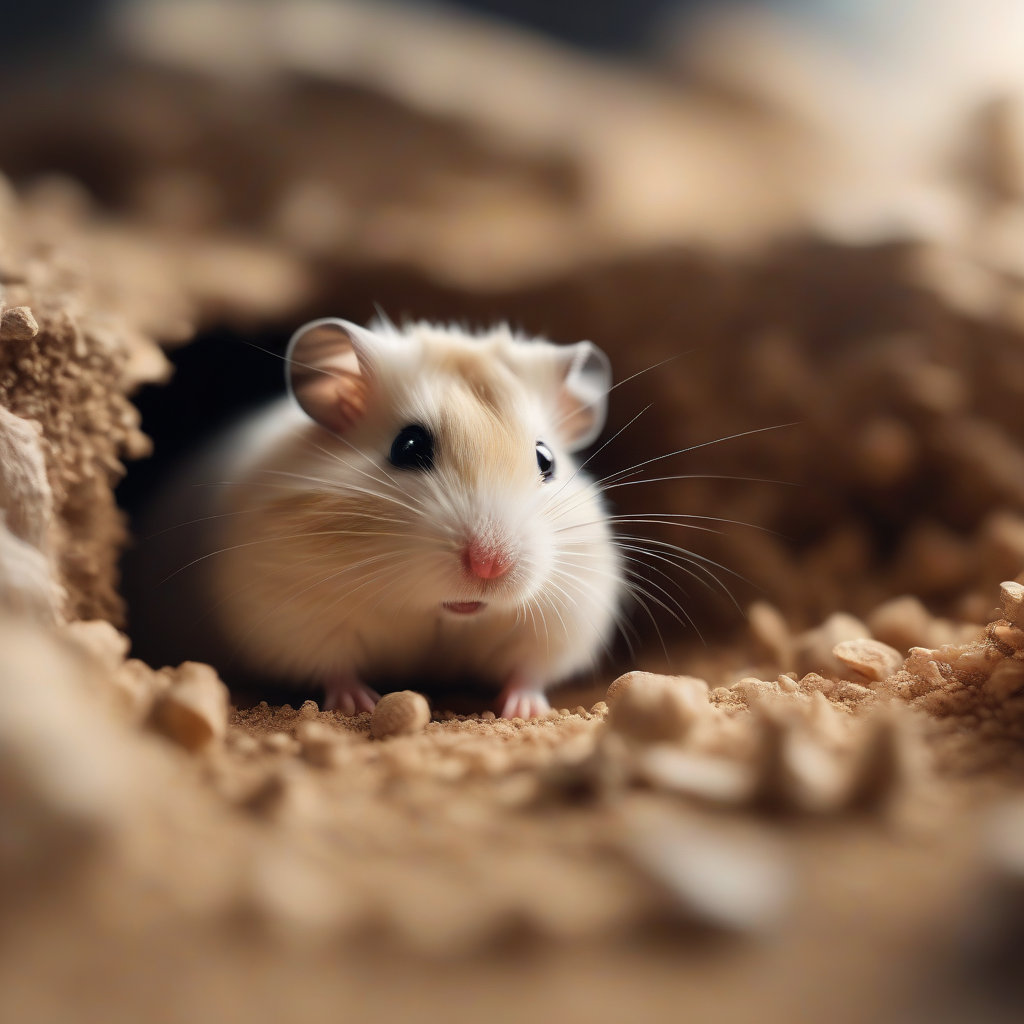
In this article, you will discover the vital importance of the invisible microclimate in your hamster's habitat, the effects of temperature, humidity, and airflow on your tiny friend's health, and how to optimize the cage environment with scientific strategies.


Discover the neurobiological signals of hidden stress your newly adopted cat experiences during adaptation to a new social environment. This article reveals 5 insidious signs of your cat's silent struggle and scientific strategies for peaceful, long-term harmony.

Your dog's anal sacs, located beneath the tail, can be hidden alarm bells often overlooked but profoundly affecting their quality of life. In this article, you will discover the 5 insidious neurobiological effects of anal sac problems on the brain and the lifesaving care secrets you need to know for your furry friend to live a peaceful life.
In this article, you will find comprehensive information on the insidious neurotoxic effects of heavy metal poisoning in aquarium fish, its symptoms, and lifesaving emergency intervention codes. This condition, which can arise from household water sources, improper equipment, or neglect, can severely threaten your fish's quality of life and lifespan.
The quality of life for our tiny hamster companions isn't just limited to food and water. Within their cage lies an invisible world, vital for their health and well-being: the microclimate. As of March 2026, recent advancements in veterinary science have more clearly revealed the profound effects of these unseen environmental factors on hamsters' physiology, behavior, and longevity. The balance of temperature, humidity, and airflow within a hamster's cage is, in essence, their own "invisible universe," and understanding this universe correctly is key to providing them with a healthier and happier life.
Microclimate refers to the environmental conditions within small, localized areas of a habitat. For hamsters, this is the unique combination of temperature, humidity, and airflow in every corner of their cage. In their natural environment, hamsters live in complex tunnel systems they dig underground. These tunnels provide stable temperature and humidity levels, independent of external weather conditions, allowing them to protect themselves from extreme heat and cold. Our pet hamsters share these same biological instincts, and the microclimate in their cages must mimic these natural needs. An incorrect microclimate can lead to stress, weakened immune systems, respiratory diseases, skin problems, and even fatal outcomes.
Hamsters are highly sensitive to regulating their body temperature. The ideal cage temperature is generally between 20-22°C (68-72°F). When temperatures fall outside this range, your tiny friend can face serious health risks:
Solution: Providing a deep substrate (at least 15-20 cm / 6-8 inches) allows your hamster to construct their own temperature-controlled tunnels using their natural digging instincts. For more information on this, you can refer to our article Your Hamster's Secret Escape Art: Scientific Secrets Behind Tunneling Instinct and Happiness Codes. Quality nesting materials (unscented toilet paper, paper-based bedding) play a significant role in temperature regulation. Avoid placing the cage in direct sunlight or near heaters/air conditioners.
The humidity level within the cage is a critical factor for your hamster's respiratory health and skin integrity. The ideal humidity range is 40-60%.
Solution: Regular and adequate ventilation is essential. Ensure the cage is well-ventilated but avoid excessive drafts. You can monitor the cage's humidity levels using a hygrometer. Always keep the cage floor dry and promptly replace any wet bedding.
In-cage air quality and sufficient ventilation are indispensable for your hamster's respiratory health and overall well-being.
Solution: Keep the cage away from direct windows, doorways, or areas with air conditioners/fans that could create drafts. For tank-style cages, use a wire mesh lid for adequate ventilation. Regular and partial cage cleaning is the most effective way to prevent ammonia buildup.
Making your hamster's habitat suitable for its natural needs begins with correctly managing its microclimate.
Understanding and optimizing the microclimate within your hamster's cage means ensuring it not only survives but thrives in an environment where it can be healthy, happy, and exhibit its natural behaviors. By deciphering this invisible map, you will strengthen the bond with your tiny friend and provide them with the comfort they deserve.
