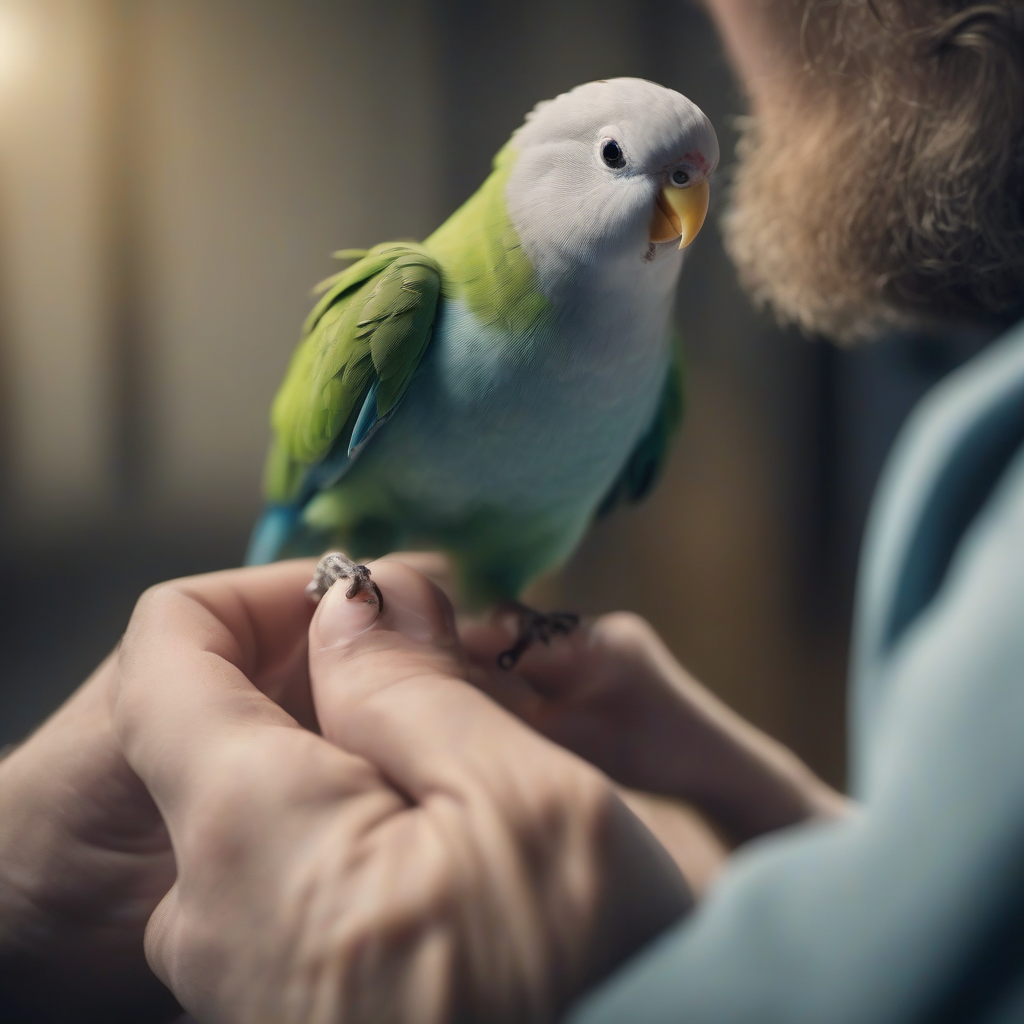
Sudden bleeding in your bird can be a cause for panic. In this article, you will find comprehensive information on 5 often-overlooked insidious physiological causes of traumatic hemorrhages and lifesaving scientific emergency intervention steps.


Discover the neurobiological signals of hidden stress your newly adopted cat experiences during adaptation to a new social environment. This article reveals 5 insidious signs of your cat's silent struggle and scientific strategies for peaceful, long-term harmony.

Your dog's anal sacs, located beneath the tail, can be hidden alarm bells often overlooked but profoundly affecting their quality of life. In this article, you will discover the 5 insidious neurobiological effects of anal sac problems on the brain and the lifesaving care secrets you need to know for your furry friend to live a peaceful life.
In this article, you will find comprehensive information on the insidious neurotoxic effects of heavy metal poisoning in aquarium fish, its symptoms, and lifesaving emergency intervention codes. This condition, which can arise from household water sources, improper equipment, or neglect, can severely threaten your fish's quality of life and lifespan.
The delicate nature of our pet birds makes them highly vulnerable to sudden traumatic hemorrhages. However, the insidious physiological causes behind these bleedings are often overlooked, and mistakes made during first aid can worsen the situation. With the latest scientific data as of March 2026, we will delve deep into the 'invisible blood flow' risks your bird may face and the correct, lifesaving interventions during these critical moments. Remember, knowledge and preparedness can determine the lifeline of our tiny companions.
Bleeding doesn't always start with an obvious wound. Sometimes, internal body dynamics or environmental factors can lower the bleeding threshold, leading to unexpected crises.
Birds' beaks and nails are not simple structures like those of humans. They contain delicate tissues with nerves and blood vessels. Accidental cutting of the 'quick' of the nails or the beak striking a hard surface can lead to bleeding that, while seemingly minor at first, can be difficult to stop. This can cause the bird to go into shock and pose a life-threatening risk due to rapid blood loss. Poor nutrition can also weaken beak and nail structure, increasing the risk of trauma. You can explore the role of nutrition in this context in our article, Your Bird's 'Magic Stomach' Secrets: 5 Little-Known Subtle Signs of Vitamin Deficiencies and Smart Nutritional Solutions!.
Newly growing feathers, known as 'blood feathers,' have live blood vessels at their base. When these feathers are broken or damaged, they can cause significant blood loss even without a prominent wound. Birds can break these blood feathers by pecking at their own feathers or getting them caught in cage wires. Such accidents can occur, especially during play or when the bird is startled at night and flails in the cage. This poses an 'invisible' danger as it can be hidden among the bird's other feathers.
Inappropriate toys, sharp-edged perches, or an inadequate cage size can cause birds to collide and suffer lacerations to their skin and muscles. In our article, Your Bird's 'Hidden Environmental Stress Signals': The Unknown Behavioral Effects of Cage Size and Lighting!, we emphasized the importance of an ideal cage environment. Wounds resulting from such accidents can lead to severe bleeding depending on their depth. Even a few drops of blood can cause serious problems, especially in smaller birds.
Contact with certain household chemicals or toxic plants can lead to internal organ hemorrhages in birds. Birds, by their curious nature, tend to explore everything with their beaks. For example, some rodenticides contain anticoagulants, and if birds accidentally ingest them, severe internal bleeding can occur. We examined the effects of such risks on animals in the article Your Hamster's 'Chemical Nightmare': 5 Insidious Signs of Cleaning Product and Environmental Toxins, and Lifesaving Scientific Solutions!. This can manifest without an obvious external wound, with symptoms like lethargy, pale mucous membranes, and abdominal swelling.
Bone fractures resulting from falls from heights, getting stuck between cage wires, or other trauma can damage bone marrow and surrounding vascular structures, leading to significant internal bleeding. Even if there is little external bleeding from a broken wing or leg, the internal damage can quickly lead the bird into shock. In the article Your Hamster's 'Invisible Fractures': Unseen Dangers of Cage Accidents and 5 Critical Lifesaving Emergency Interventions!, we touched upon the general risks of cage accidents; these principles also apply to birds. Such situations are time-sensitive crises requiring immediate veterinary intervention.
Staying calm and taking the right steps when your bird is bleeding is crucial. Here are the scientific first aid protocols you should follow:
Your bird's panic can increase bleeding and elevate the risk of shock. First, maintain your calm. Gently restrain your bird, preferably with a towel. Try to assess the location of the injury and the severity of the bleeding. If the bleeding is from a blood feather, you might be able to stop it by gently pulling out the feather from the root. However, this procedure requires experience, so do not attempt it if you are unsure.
For small cuts or nail bleeding, apply direct pressure with a clean gauze pad or cotton swab. Cornstarch, cornflour, or specialized styptic powder can be effective. Apply these substances to the bleeding area and press gently to aid clotting. Never use alcohol or hydrogen peroxide, as they can damage tissue and increase bleeding. For larger wounds, apply continuous pressure with a clean cloth.
A bird losing blood can quickly become hypothermic and go into shock. Keep your bird warm by wrapping it in a clean towel or placing a heating pad (on a low setting and with indirect contact) in its cage. Quiet the environment and provide dim lighting to reduce stress. The hypothermia prevention measures mentioned in our article When Your Cat's 'Invisible Heat Compass' Fails: Insidious Signs of Hypothermia and 5 Critical Lifesaving Steps can, in principle, be adapted for birds.
Even if the bleeding appears to have stopped, consult a veterinarian immediately to rule out the risk of internal bleeding or another underlying problem. When transporting your bird, keep the carrier dark and quiet. Avoid sudden movements and minimize shaking. Inform your vet by phone before you arrive, allowing them to prepare.
Follow your bird's recovery process closely after veterinary intervention. Adhere strictly to your vet's instructions. To prevent similar accidents in the future, make the cage environment safe: remove sharp edges, use appropriately sized perches, and keep toxic plants and chemicals away. Regular veterinary check-ups and a balanced diet will support your bird's overall health and blood clotting ability.
While sudden bleeding can be frightening for bird owners, with the right knowledge and swift intervention, it is possible to save the lives of our tiny friends. Always have an emergency plan and maintain regular communication with your veterinarian.
