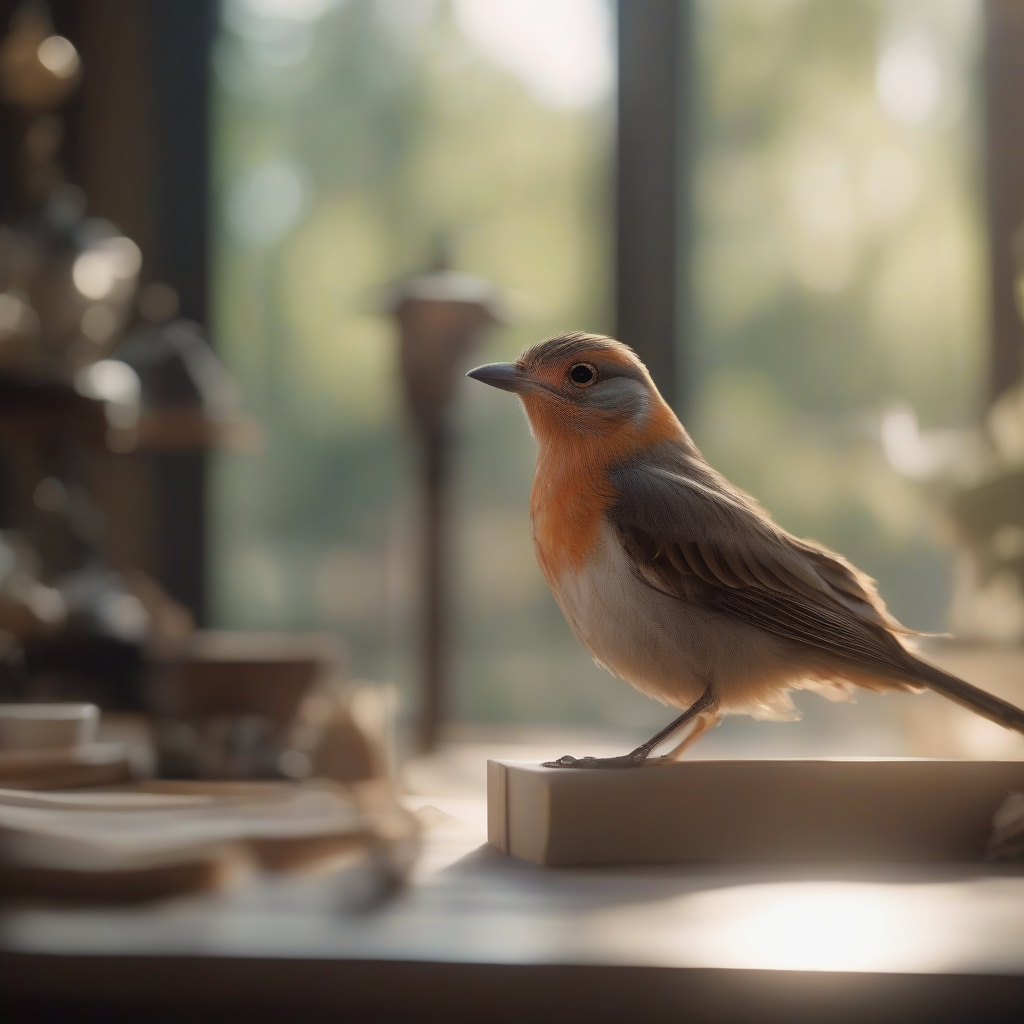
In this article, you will find critical information about the hidden effects of cage size and lighting on your bird's behavioral welfare and scientific solutions to these issues.

In this article, we will deeply explore the insidious neurobiological effects of gut microbiome imbalance (dysbiosis) on your rabbit's brain health and provide scientific-based solutions to maintain mental vitality.

In this article, you can find comprehensive information on how pancreatitis in dogs not only affects the digestive system but also insidiously impacts the brain, its neuroinflammatory mechanisms, and lifesaving emergency intervention strategies.

Discover the 5 insidious effects of overfeeding, one of the most stealthy threats to your fish's health, causing neurometabolic destruction in their brains, and learn scientific feeding strategies to prevent this demise. Uncover the silent danger in your aquarium!
Birds, especially pet birds, are highly sensitive to the environmental factors of their living spaces. Factors like cage size and lighting, often overlooked, can profoundly affect your little friend's behavioral welfare and overall health. In this article, you will access critical information to understand your bird's 'hidden environmental stress signals' and scientifically optimize its living space.
Many bird owners assume that the larger the cage, the better for their bird. However, mere volumetric size is not enough. The cage's shape, the horizontal and vertical space it offers for movement, and the variety of resting and play areas are as important as the overall cage size.
Birds naturally live by climbing trees or perching in high places. Therefore, narrow and horizontally long cages prevent the bird from exhibiting its natural behaviors. This can lead to issues such as stress, stereotypic behaviors (e.g., constantly pacing around the cage), and even feather plucking.
The width of the cage is crucial not only for your bird to fly but also for it to play, comfortably access food and water dishes, and feel safe. A narrow cage can make the bird feel 'trapped.'
Birds' circadian rhythms (their daily biological clock) determine their sleep patterns, hormonal balance, reproductive cycles, and even general mood. Artificial lighting in the home environment can easily disrupt this natural cycle.
Birds kept under constant bright light or with insufficient natural light may experience sleep deprivation. This can lead to problems such as irritability, aggressive behaviors, feather plucking, and even a weakened immune system. Furthermore, the color and intensity of the light are also important.
Excessive or insufficient lighting at night can severely disrupt the bird's sleep cycle. Sudden bright lights can startle and frighten the bird, increasing its stress levels.
Enriching your bird's cage environment is essential to support its mental and physical health. This means more than just providing various toys.
Creating an environment where your bird can engage in natural behaviors such as preening, climbing, chewing, and exploring enhances its overall welfare. As discussed in Your Bird's 'Silent Breath Killer': The Insidious Signs of Aspergillosis and Lifesaving Scientific Interventions!, birds' learning capacities and behaviors are directly related to environmental stimuli.
If you keep more than one bird, consider how the cage layout affects social dynamics. Adequate space helps reduce conflicts and stress. As discussed in Your Bird's 'Invisible Social Status': The Scientific Codes of 'Flock' Hierarchy at Home and 5 Critical Steps for Peaceful Integration!, social hierarchy and living space are always interconnected.
In conclusion, the size, shape, and lighting of your bird's living space can carry its hidden stress signals. By optimizing these factors with scientific principles, you can ensure your little friend lives a happier, healthier, and more balanced life. Remember, their world is shaped by the environmental conditions you provide.
