
In this article, you'll discover the subtle signs of internal fractures in your hamster that you might overlook, the risks of cage-related accidents, and scientific emergency intervention steps that can save your tiny friend's life.


Discover the neurobiological signals of hidden stress your newly adopted cat experiences during adaptation to a new social environment. This article reveals 5 insidious signs of your cat's silent struggle and scientific strategies for peaceful, long-term harmony.

Your dog's anal sacs, located beneath the tail, can be hidden alarm bells often overlooked but profoundly affecting their quality of life. In this article, you will discover the 5 insidious neurobiological effects of anal sac problems on the brain and the lifesaving care secrets you need to know for your furry friend to live a peaceful life.
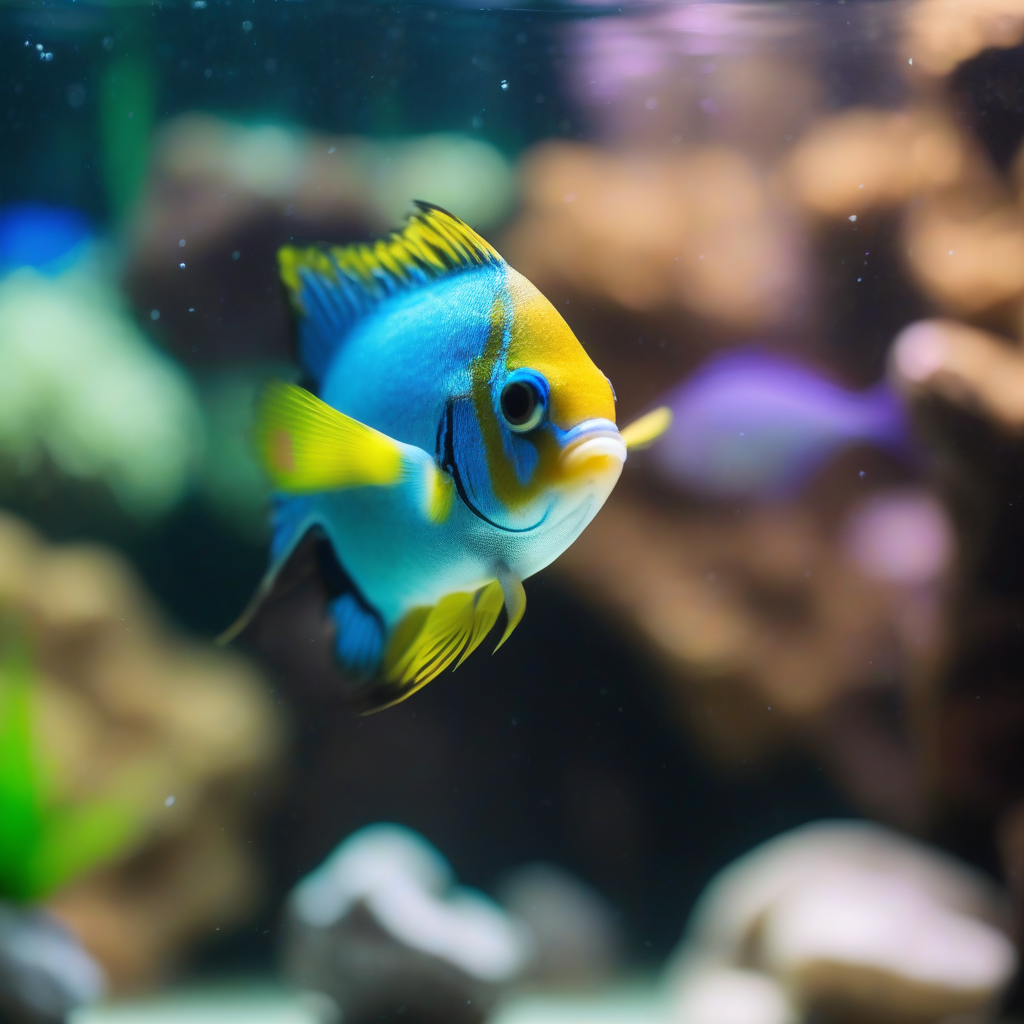
In this article, you will find comprehensive information on the insidious neurotoxic effects of heavy metal poisoning in aquarium fish, its symptoms, and lifesaving emergency intervention codes. This condition, which can arise from household water sources, improper equipment, or neglect, can severely threaten your fish's quality of life and lifespan.
Our tiny hamster companions, with their cute and energetic nature, bring joy to our homes. However, their fragile bone structure and curious disposition make them highly susceptible to accidents. Falls, entrapments, or sudden traumas within the cage environment can lead to 'invisible' fractures that may not be immediately apparent. If not addressed promptly and correctly, such situations can severely diminish your hamster's quality of life, and even pose a life-threatening risk. As of March 2026, guided by veterinary science, we will delve into the potential dangers your hamster might face and the scientific first aid protocols that can save their life in an accident.
Hamsters' small bodies, rapid metabolisms, and urge to explore expose them to unique accident risks. Their bones are thin and can easily fracture, especially from high falls or sudden impacts. Inappropriate cage design choices further exacerbate this risk:
Fractures do not always manifest with obvious swelling or deformity. Here are 5 insidious signs that should not be overlooked:
If you suspect a fracture or serious trauma in your hamster, the following steps are vital:
Panicking is detrimental to both you and your hamster. Remain calm. Immediately place your hamster gently into a small, preferably dark, well-ventilated carrier or a temporary quarantine area where they cannot move easily. This prevents further injury and reduces stress.
Gently observe your hamster. Try to understand which limb is affected or their general condition. However, never touch or attempt to manipulate the area you suspect is fractured. Incorrect intervention can worsen the situation, increase pain, and lead to internal bleeding.
If you see a limb fracture and your hamster is not too agitated, you can try to support the fractured limb with a small cotton pad or gauze roll, but be extremely careful. Most importantly, restrict the animal's movement to keep the injured area stable. A safe heat source (not too hot), such as a warm towel or a sock filled with rice, can help reduce the risk of shock.
Time is critical. Immediately call the nearest veterinary clinic experienced in exotic animals. Clearly explain the situation, the symptoms you've observed, and when it occurred. Schedule an appointment and listen carefully to the veterinarian's instructions.
When going to the vet, keep your hamster in a safe, dark, and stable carrier. Place soft, warm material (e.g., paper towels or soft fabric scraps) inside the carrier. The veterinarian will take X-rays and determine the appropriate treatment plan. This may include surgical intervention, splinting, or pain medication.
The best way to prevent accidents is to provide a safe living environment for your hamster:
Remember, your hamster's health and welfare are in your hands. Recognizing the subtle signs of possible fractures and taking the correct steps in emergencies will help your tiny friend live a long and healthy life. When in doubt, always consult a veterinarian.
