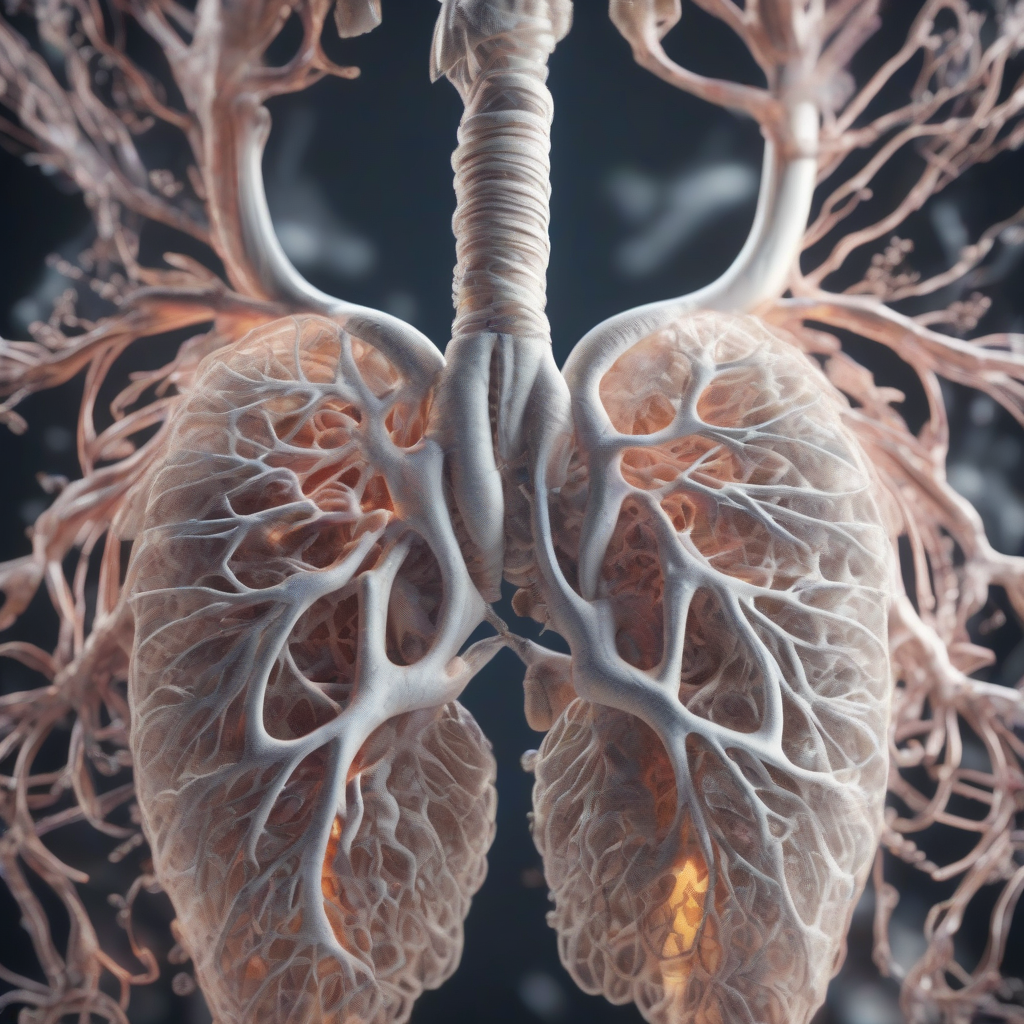
In this article, you will find comprehensive information about the hidden dangers affecting your bird's lung health, early warning signs, and scientific approaches to prevent these risks.


In this article, you will discover the little-known but profound effects of the acoustic environment in rabbit living spaces on their brain health and general well-being, exploring the neurobiological consequences of both sound deprivation and overstimulation, and scientific secrets to creating a peaceful environment. Understand and optimize your rabbit's world with expert tips.
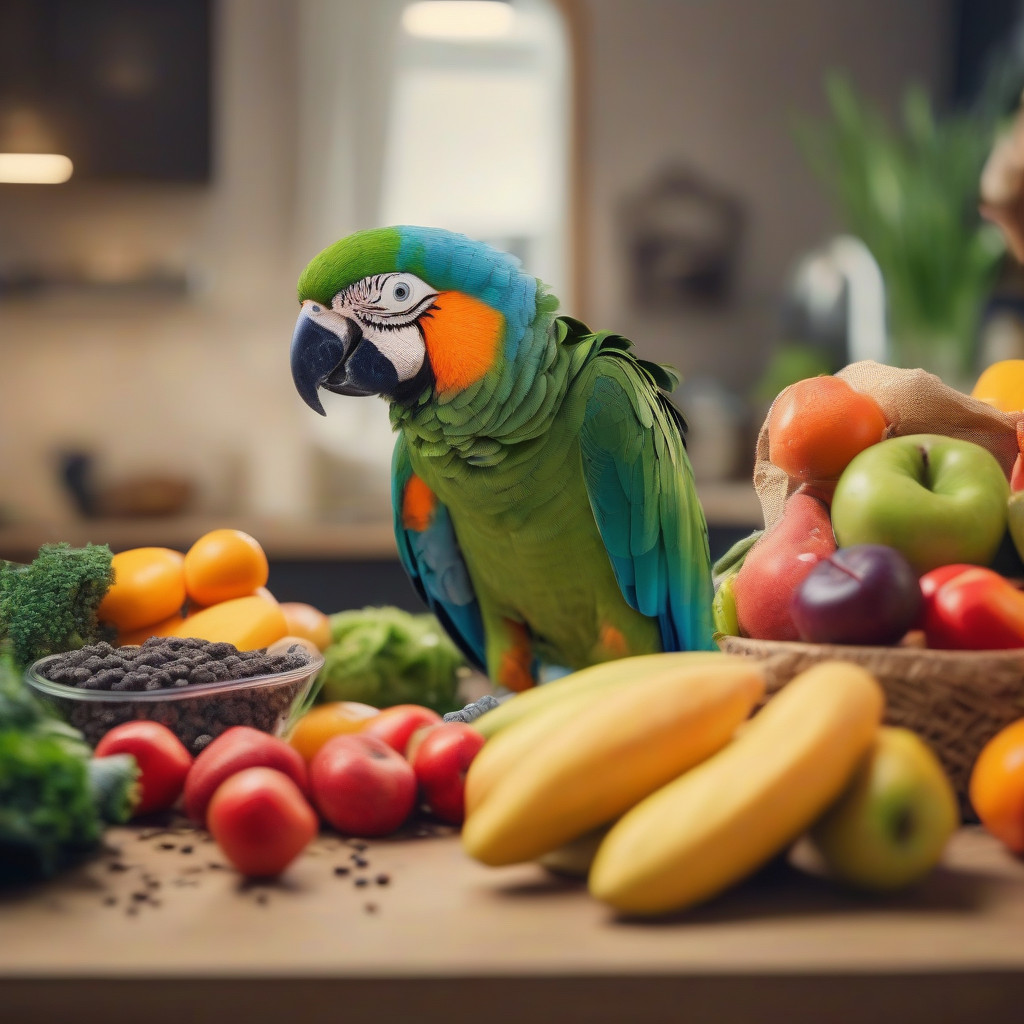
In this article, you will find comprehensive information about the insidious neurobiological effects of artificial colorings, preservatives, and flavors found in commercial bird feeds on your bird's brain health and mental vitality. We explore scientific nutritional secrets to combat these hidden dangers, shedding light on a wide spectrum of effects from behavioral changes to cognitive decline.
In this article, you can discover the scientific secrets to understanding your cat's undesirable habits, deciphering the neurocognitive mechanisms in their brain, and establishing lasting new routines.
Birds, with their delicate structures and rapidly progressing illnesses, require special attention in veterinary medicine. Lung health has a direct impact on the quality and lifespan of these sensitive creatures. Unfortunately, respiratory problems in birds can often go unnoticed and lead to severe consequences. In this article, we will delve into the hidden dangers threatening your bird's lung defense, the 5 crucial neurophysiological signals for early diagnosis, and scientific measures that can be taken against these issues.
Birds' respiratory systems are always exposed to environmental factors. House dust, mold spores, bacteria, and viruses can settle in the lungs without being detected. These pathogens can lead to 'hidden infections' by straining the bird's immune system. These infections can silently progress for years without showing obvious symptoms. At this point, slight changes observed in the bird's general behavior or activity level can be an indicator that the immune system is under strain. For instance, more rest than usual or loss of appetite can be a sign of an underlying problem. Our article, Your Bird's Secret 'Nutrition Labyrinth': Toxin Traps and 5 Neurochemical Secrets to Fortify Digestive Immunity, also offers clues about the overall health status.
Indoor air quality is critical for your bird's respiratory health. Soot smoke, cigarette smoke, sprays, cleaning products, and even burnt Teflon can be extremely toxic to birds. These toxins cause inflammation in the respiratory tract and can damage lung tissue. Symptoms such as sudden respiratory distress, coughing, or wheezing can be a result of the effects of these toxins. Improving the air quality in your bird's living space will significantly reduce these risks. In our article Your Bird's Secret Sun Spectrum: The Neurobiological Impact of UV Light and Secrets to an Optimal Habitat, the importance of habitat design is highlighted.
Birds' respiratory tracts can become blocked due to foreign objects, fungal infections, or allergic reactions. Foreign objects (e.g., feather fragments, small food debris) can obstruct airflow, leading to sudden respiratory distress. Fungal infections can create infection foci in the lungs, impairing respiratory function. Observable signs include visibly labored breathing, breathing with the mouth open, attempts to breathe by flapping wings, or breathing with tail bobbing. These situations are serious indicators requiring immediate veterinary intervention. Your Bird's Hidden 'Windpipe Gates': 5 Insidious Respiratory Tract Blockages and Scientific Lung Health Secrets provides more detailed information on this topic.
Sudden respiratory arrest or severe respiratory distress in birds are life-threatening emergencies. In such cases, first aid intervention until reaching the veterinary clinic is crucial. Gently lift your bird's head upwards to try and open the airway. If possible, gently use a fan to provide airflow. However, be careful not to harm the bird during these interventions. Our article Your Bird's 'Red Flash': 5 Neurobiological Alarms in the Brain During Sudden Bleeding and a Lifesaving First Aid Guide! offers additional information on emergency procedures.
Chronic respiratory diseases are common problems that severely reduce the quality of life in birds. These diseases can lead to permanent damage in the lungs, negatively affecting overall health status. Observable neurophysiological signals include being less active than usual, increased sleep duration, adopting a posture leaning forward on the perch, fluffed feathers, and loss of appetite. These symptoms indicate that the bird's respiratory system is under strain and requires immediate veterinary evaluation. Our article Is Your Bird's 'Secret Stress Filter' Crashing? 5 Unknown Neurobiological Effects of Cage Environment and Scientific Design Secrets to Zero Stress! explains the effects of stress reduction on general health.
The most effective way to protect your bird's lung health is through regular veterinary check-ups and proactive care. Maintaining a clean cage environment, improving air quality, avoiding chemical products, and a balanced diet play a significant role in preventing respiratory infections and other lung problems. Our article Your Bird's Secret 'Sleep Architecture': The Neurobiological Impact of Darkness and Silence and Scientific Secrets for a Peaceful Night! also offers ways to improve general well-being. Your veterinarian can provide nutritional recommendations tailored to your bird's specific needs and diagnose potential health issues early.
Remember, your bird's health depends on your observation and attention. Even the slightest change can be a precursor to a potential problem. In emergencies, maintaining your composure, performing the correct interventions, and seeking professional help without delay can save your bird's life.
