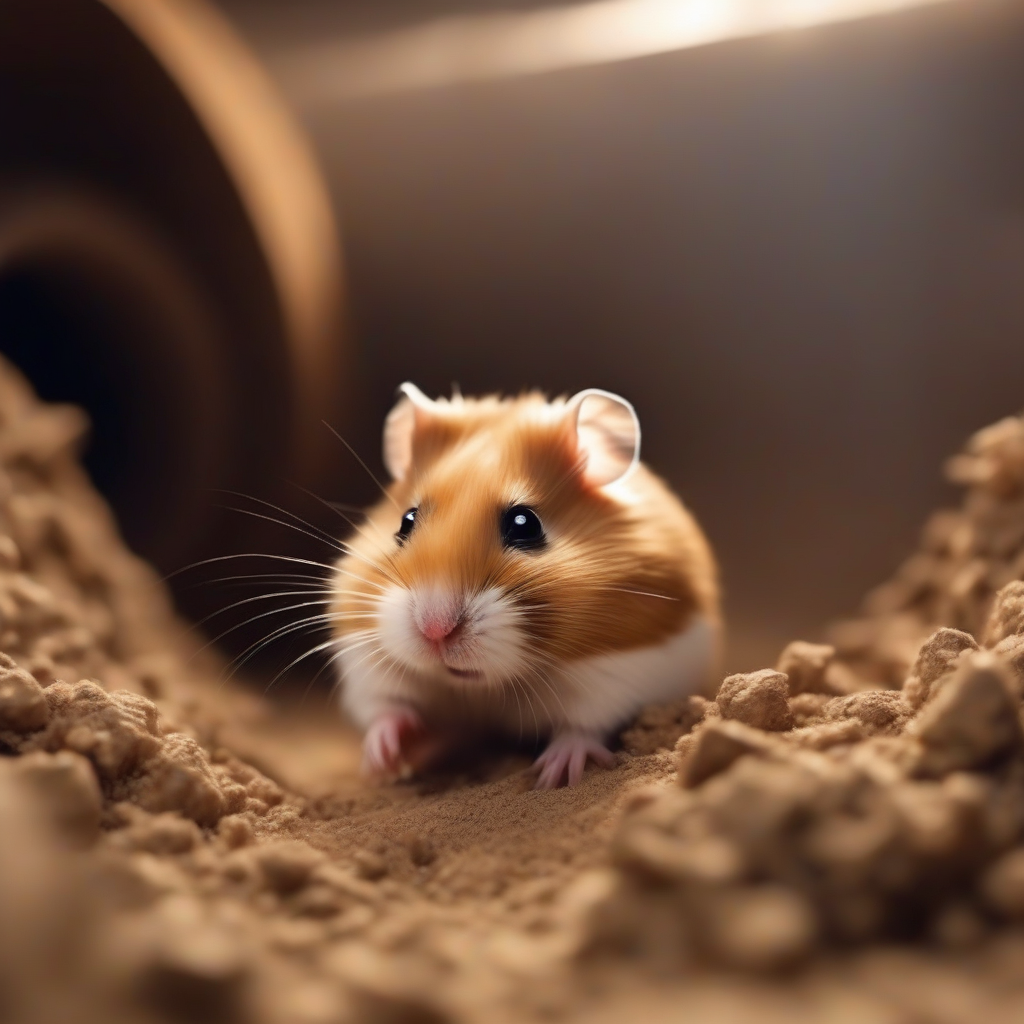
In this article, you will find comprehensive information about the importance of digging space in your hamster's habitat, the behavioral and neurological effects of its insufficiency, and how to prevent these crises.


In this article, you will discover the little-known but profound effects of the acoustic environment in rabbit living spaces on their brain health and general well-being, exploring the neurobiological consequences of both sound deprivation and overstimulation, and scientific secrets to creating a peaceful environment. Understand and optimize your rabbit's world with expert tips.

In this article, you will find comprehensive information about the insidious neurobiological effects of artificial colorings, preservatives, and flavors found in commercial bird feeds on your bird's brain health and mental vitality. We explore scientific nutritional secrets to combat these hidden dangers, shedding light on a wide spectrum of effects from behavioral changes to cognitive decline.

In this article, you can discover the scientific secrets to understanding your cat's undesirable habits, deciphering the neurocognitive mechanisms in their brain, and establishing lasting new routines.
Hamsters are naturally burrowing creatures, driven by an innate need to dig, create nests, and establish a safe haven. This instinctual behavior is fundamental to their physical and mental health. However, among modern pet hamster owners, especially those with limited living spaces, a condition we can call a 'hidden burrowing area crisis' is becoming increasingly prevalent. This occurs when hamsters cannot fulfill their natural needs, lacking a deep and satisfying digging environment. In this article, we will delve into the profound neurological and behavioral impacts of insufficient digging space on hamsters, scientifically examining how to detect these hidden crises and maximize our hamster's well-being.
Hamsters' ancestors were creatures that built extensive and complex underground tunnel systems. This provided them with protection from predators, a place to store food, and the ability to create a suitable living environment. This evolutionary memory persists today in the brains of pet hamsters as a strong instinctual behavior. The act of digging is not just an activity for them; it's a mechanism for stress relief, feeling secure, and mimicking their natural environment. Insufficient digging space means this fundamental need is unmet, directly affecting the hamster's neurochemical balance.
A hamster lacking adequate digging space can trigger a cascade of negative effects. These effects might initially manifest as subtle 'hidden' signs but can become more pronounced over time:
Steps you can take to prevent and resolve your hamster's 'burrowing area crisis' are quite clear. The main goal is to create an environment that satisfies the hamster's natural digging instinct.
The 'hidden burrowing area crisis' in your hamster's habitat is a serious issue that should not be overlooked. Insufficient digging space not only leads to behavioral problems but also negatively affects the hamster's neurological health. Remember, although a small creature, a hamster has complex needs, and meeting these needs is fundamental to its long, healthy, and happy life. By providing adequate digging space, you will both honor its evolutionary heritage and maximize its mental and physical well-being.
