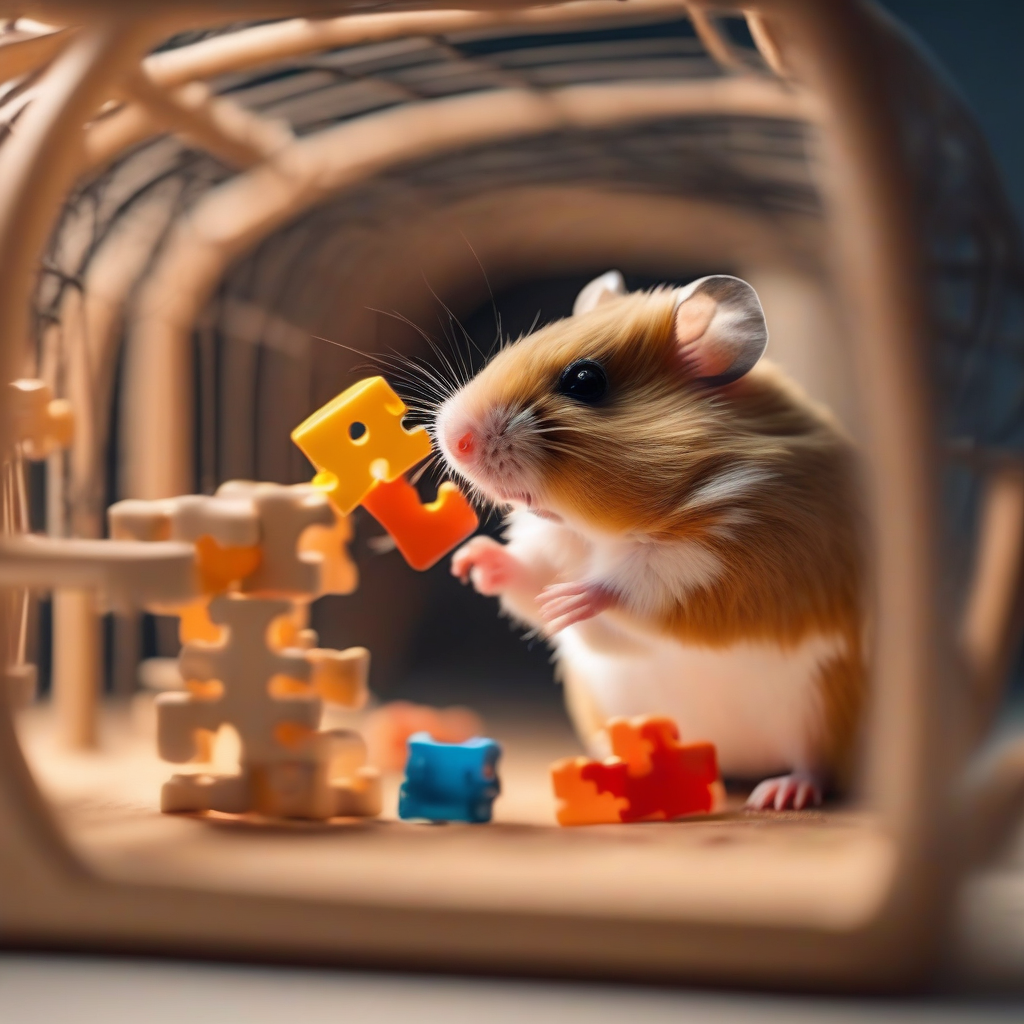
In this article, you will discover how to unlock your hamster's hidden problem-solving intelligence, how to support their mental development with in-cage puzzles, and the 5 neurocognitive strategies involved.


Discover the types of burns your dog can suffer, the 5 insidious neurophysiological effects these burns create in the brain and body, and lifesaving emergency intervention strategies in this comprehensive guide. We shed light on the dangers behind forgotten household accidents from a scientific perspective.

Discover the neurobiological signals of hidden stress your newly adopted cat experiences during adaptation to a new social environment. This article reveals 5 insidious signs of your cat's silent struggle and scientific strategies for peaceful, long-term harmony.

Your dog's anal sacs, located beneath the tail, can be hidden alarm bells often overlooked but profoundly affecting their quality of life. In this article, you will discover the 5 insidious neurobiological effects of anal sac problems on the brain and the lifesaving care secrets you need to know for your furry friend to live a peaceful life.
Hamsters, despite their small size, are incredibly curious and intelligent creatures. As pet owners, it's crucial to not only meet their physical needs but also to provide mental stimulation, which is vital for their overall well-being and happiness. For small rodents like hamsters, appropriate mental activities prevent boredom, reduce behavioral issues, and enhance their general quality of life. Unlocking your hamster's hidden 'problem-solving intelligence' is a fantastic way to strengthen your bond with them and provide them with a fulfilling life.
In this article, we will delve into 5 neurocognitive strategies designed to nurture your hamster's natural problem-solving abilities. These strategies are crafted to enrich their in-cage environment and maximize their cognitive development.
Every hamster has its unique learning style and approach to problem-solving. Some hamsters are more exploratory, while others may think more strategically. Unlocking their potential makes our time with them more meaningful.
One of the most fundamental instincts for hamsters in the wild is to forage for food. When food is always readily available in their cages, it prevents them from satisfying this instinct. Hidden food puzzles feed their natural foraging and searching instincts, stimulating them mentally.
Hamsters love to navigate and explore confined spaces. By designing simple mazes, you can enhance their wayfinding abilities and spatial memory. This provides them with an enjoyable activity and challenges them mentally.
Even for hamsters living alone, human interaction is important for mental stimulation and social bonding. However, these interactions must be conducted with respect for their boundaries and preferences.
Hamsters naturally tend to climb and explore. Adding safe climbing structures, bridges, and different textures to their cages will stimulate them both physically and mentally.
Breaking routine and encountering new stimuli helps hamsters maintain their mental freshness. Regularly adding new toys to their cages or changing the placement of existing toys keeps their curiosity alive.
Your hamster's cognitive development is indispensable for its overall health and happiness. By implementing the 5 neurocognitive strategies outlined above, you can unlock your hamster's hidden problem-solving intelligence, provide them with mental stimulation, and deepen your bond with them. Remember that every hamster is different, and to achieve the best results, it's important to be patient, observant, and respectful of their preferences.
These activities can also provide insights into their general health status. For instance, sudden appetite loss or lethargy might be a harbinger of conditions like Your Hamster's 'Silent Vitamin Traps': 5 Critical Neurological Signs Sabotaging Energy Levels and Health & Scientific Solutions!. Similarly, neurological issues might manifest as symptoms like Your Hamster's Sudden Seizures: 5 Insidious Neurocognitive Triggers and Lifesaving Emergency Intervention Protocols!. Therefore, carefully observing your hamster's behavior during training activities is crucial.
