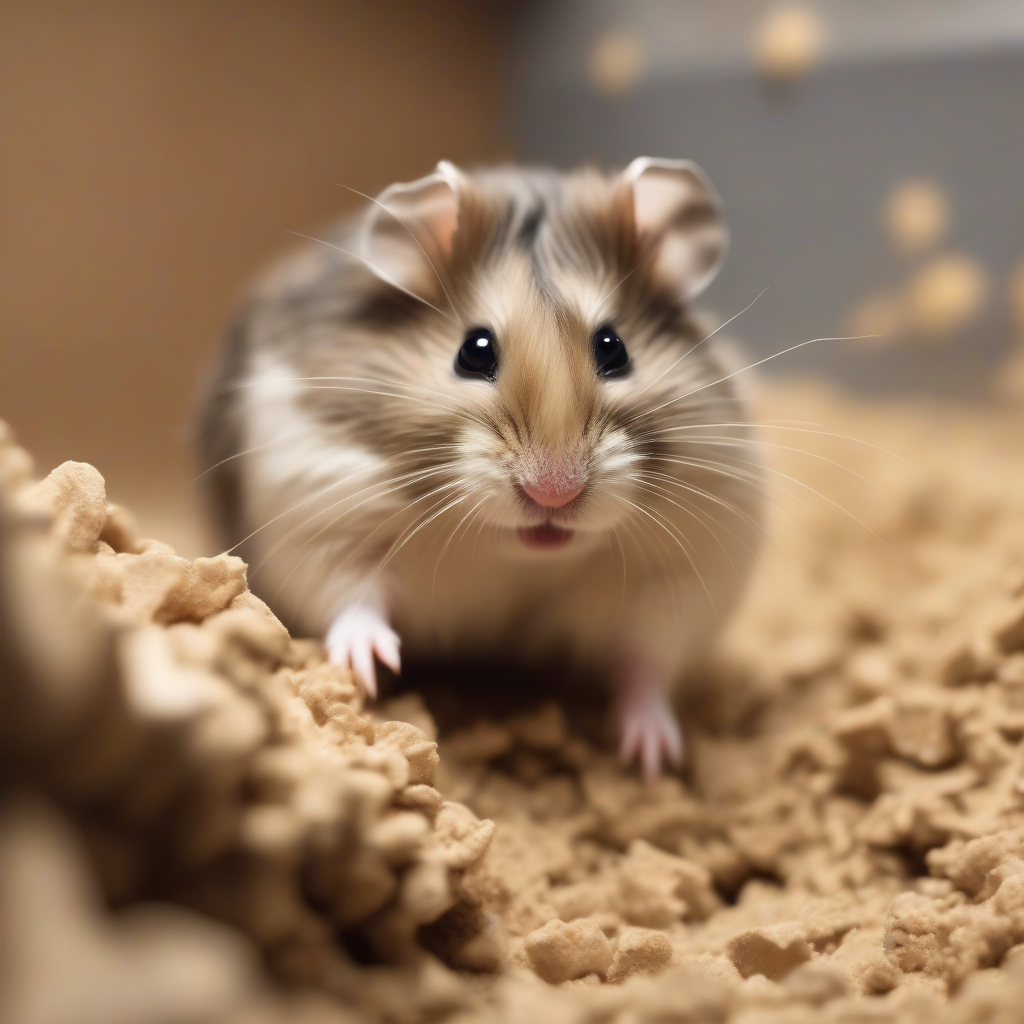
Explore the neurobiological secrets behind hamsters' natural digging instinct and design homes that promote their peace and cognitive development.


Discover the types of burns your dog can suffer, the 5 insidious neurophysiological effects these burns create in the brain and body, and lifesaving emergency intervention strategies in this comprehensive guide. We shed light on the dangers behind forgotten household accidents from a scientific perspective.

Discover the neurobiological signals of hidden stress your newly adopted cat experiences during adaptation to a new social environment. This article reveals 5 insidious signs of your cat's silent struggle and scientific strategies for peaceful, long-term harmony.

Your dog's anal sacs, located beneath the tail, can be hidden alarm bells often overlooked but profoundly affecting their quality of life. In this article, you will discover the 5 insidious neurobiological effects of anal sac problems on the brain and the lifesaving care secrets you need to know for your furry friend to live a peaceful life.
Hamsters, despite their tiny bodies, are filled with incredible energy and a desire to explore. One of their most prominent and primal instincts is digging. This behavior goes beyond mere play; it is the result of a complex neurobiological mechanism inherited from their ancestors. So, what are the scientific facts behind your hamster's hidden 'burrow architecture,' and what should we consider when designing a habitat that satisfies this instinct?
Hamster ancestors protected themselves from predators and stored food by digging burrows underground. This survival mechanism is deeply connected to the 'reward system' and 'threat perception' areas of their brains. The act of digging triggers the release of dopamine, creating a sense of satisfaction and security. Therefore, a lack of sufficient digging space in a hamster's enclosure can make it feel constantly 'under threat,' leading to increased stress levels. For a hamster to fulfill its digging urge means satisfying a fundamental neurochemical need.
For hamsters, the depth of their burrow is a fundamental indicator of security. A burrow that is not deep enough can cause the hamster to feel vulnerable. Neurologically, the perception of depth is processed in the visual cortex and the amygdala (the fear center) of the brain. A deep burrow creates a 'safe zone' that the hamster perceives. This is vital, especially for hamsters adapting to a new environment or facing stressful situations. A substrate depth of approximately 20-30 cm allows hamsters to satisfy their natural digging behaviors. As mentioned in our article, Hamster Cage's Secret 'Architectural Genius': 5 Neurobiological Traps for Zero Stress and Scientific Design Codes!, the cage's design directly impacts the hamster's well-being, and the digging area is an integral part of this design.
The substrate material a hamster uses is critical not only for hygiene but also for enriching the digging experience. Materials with different textures stimulate the hamster's tactile senses, enhancing their neurobiological interaction. For example, a deep and loose layer of shavings facilitates digging, while natural paper-based substrates offer a safe and absorbent option. It's important to avoid fine, dusty, or perfumed materials that can irritate their respiratory tracts. Similar to how Your Hamster's 'Secret Humidity Defense': 5 Neurobiological Secrets of How Air Humidity Shapes Skin and Respiratory Health! highlights, the material's moisture-retaining capacity is also important for the hamster's skin and respiratory health.
The act of digging is one of the hamster's stress-coping mechanisms. After a busy day or following a change, hamsters release energy and relax by digging. This behavior helps to lower cortisol (stress hormone) levels in the brain. Providing adequate digging space allows the hamster to self-manage stress, contributing to a calmer and more balanced mood. Digging can also act as a form of stabilizer against other stressors, much like the principles discussed in Your Hamster's 'Extreme Heat Stress': The Body's Hidden 5 Neurobiological Defense Mechanisms and Lifesaving Emergency Intervention Secrets!.
For hamsters, a digging area is not just a shelter but also a 'playground' and an 'exploration center.' Hiding various objects (safe toys, small treats) in these areas or creating different layers stimulates the hamster's mind, supporting its cognitive development. The brain's 'exploration' and 'problem-solving' centers are stimulated by such activities. The principles from our article, Your Hamster's 'Secret Playground' Algorithm: 5 Neurobiological Secrets for Mental Development with In-Cage Toys!, can also be applied to the digging area. Creating layers with different materials, digging tunnels, or building hiding spots is an important enrichment for your hamster's mental and physical health.
In conclusion, providing your hamster with a spacious and deep area to dig in its enclosure not only makes it happy but also fulfills its fundamental neurobiological needs. This satisfies their ancestral instincts, helps them manage stress, and enhances their overall well-being. To avoid negative effects mentioned in articles like Your Hamster's Hidden 'Burrow Architecture' Terror: 5 Insidious Neurobiological Triggers of Insufficient Digging Space and Behavioral Welfare Secrets!, understanding the correct enclosure design is vital.
