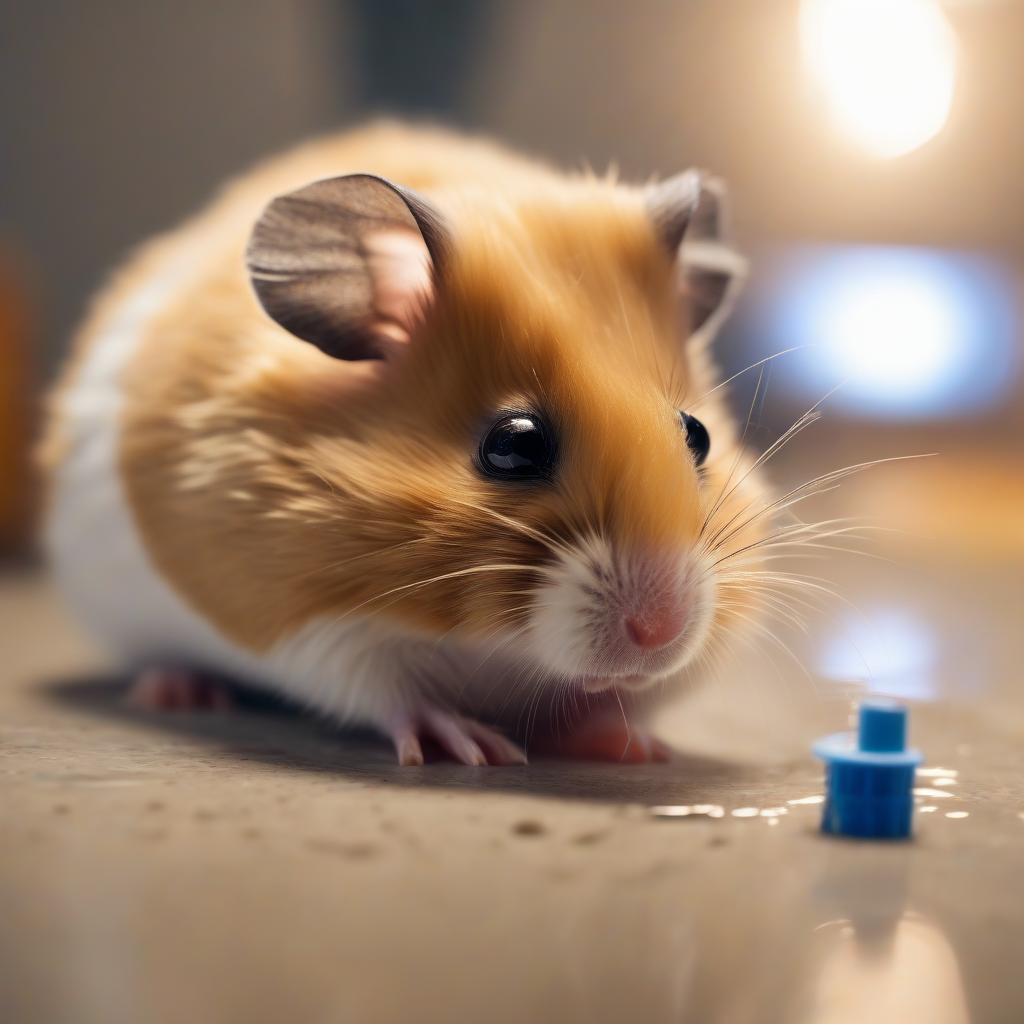
In this article, discover your hamster's hidden neurobiological defense mechanisms against extreme heat stress and learn lifesaving emergency intervention strategies.


Discover the types of burns your dog can suffer, the 5 insidious neurophysiological effects these burns create in the brain and body, and lifesaving emergency intervention strategies in this comprehensive guide. We shed light on the dangers behind forgotten household accidents from a scientific perspective.

Discover the neurobiological signals of hidden stress your newly adopted cat experiences during adaptation to a new social environment. This article reveals 5 insidious signs of your cat's silent struggle and scientific strategies for peaceful, long-term harmony.

Your dog's anal sacs, located beneath the tail, can be hidden alarm bells often overlooked but profoundly affecting their quality of life. In this article, you will discover the 5 insidious neurobiological effects of anal sac problems on the brain and the lifesaving care secrets you need to know for your furry friend to live a peaceful life.
As of May 2026, with summer approaching, one of the biggest concerns for pet owners is how to protect their small companions from extreme heat. Especially for fragile hamsters, high temperatures can have fatal consequences. Despite their desert origins (though some species like Syrian hamsters are adapted to warmer climates), uncontrolled heat in an enclosed cage environment can quickly lead to serious health problems. Hamsters struggle to regulate their body temperature due to limited sweat glands. In this article, we will delve into your hamster's hidden neurobiological defense mechanisms against extreme heat stress and present lifesaving emergency intervention strategies based on scientific data.
When exposed to extreme heat, your hamster's body begins to fight through a series of complex biological reactions. These mechanisms often represent a "silent" struggle that we may not notice.
The hypothalamus region of the brain functions like the body's thermostat. When ambient temperature rises, the hypothalamus senses the danger and sends neural signals to lower body temperature. One of the initial responses is the dilation of blood vessels near the skin surface (vasodilation). This allows more blood to flow close to the skin, attempting to dissipate heat outwards. However, in hamsters, this mechanism is limited due to their thick fur and small body surface area. While this neurophysiological process tries to optimize heat transfer, it can be insufficient in extreme conditions.
In their natural habitats, hamsters dig tunnels underground to protect themselves from extreme heat. Soil provides a cooler and more insulated environment than surface air. This instinct continues in a home environment. An overheated hamster will try to retreat to the darkest, shadiest, and coolest corners of the cage, burrow underneath objects, or dig its nest deeper. The neurobiological origins of this behavioral response are directly linked to the animal's brain circuits for survival and comfort seeking. In a cage without sufficient digging space, this mechanism becomes ineffective. For more information on this topic, you can read our article Your Hamster's 'Secret Burrow Architecture': The Neurobiological Origins of Digging Instinct and Peaceful Home Secrets.
When fighting extreme heat, the body may try to reduce its metabolic rate to decrease internal heat production. This manifests as lethargy and decreased activity. The body attempts to conserve energy reserves, preventing organ overload. However, this can lead to a vicious cycle; as energy decreases, thermoregulation ability further diminishes. This condition is closely related to the animal's general health status and nutritional habits. You can better understand the importance of energy metabolism by reading the article Your Hamster's 'Silent Vitamin Traps': 5 Critical Neurological Signs Sabotaging Energy Levels and Health & Scientific Solutions!.
Instead of sweat glands, hamsters use their respiratory tracts for heat dissipation. In extreme heat, their breathing rate increases (panting). This is a way to cool down through evaporation. The autonomic nervous system triggers this reflex, increasing the body's carbon dioxide excretion while also trying to maximize heat loss through evaporation. However, rapid and shallow breathing can lead to exhaustion and make the animal more prone to dehydration.
Extreme heat stress disrupts the balance of neurotransmitters in the hamster's brain and triggers the release of stress hormones like cortisol. These hormones can lead to behavioral changes such as anxiety, restlessness, and agitation in the animal. While initially this might motivate the animal to escape danger, persistently high levels of stress hormones weaken the immune system and can damage organs. This condition also affects the animal's ability to cope with stress and can be linked to environmental stress factors, such as those discussed in Your Hamster's 'Hidden Ultrasonic Universe': 5 Neurocognitive Secrets of Unheard Sounds Shaping Their Behavior and Stress Levels!.
When you notice signs of extreme heat stress in your hamster, quick and correct intervention can save its life.
The initial signs of heat stress often begin insidiously:
Extreme heat rapidly leads to dehydration.
Even if your hamster has cooled down and appears stable, seeking veterinary attention as soon as possible is vital. Heatstroke can lead to permanent damage to internal organs (kidneys, liver, heart) and brain edema. The veterinarian can perform necessary checks to detect internal damage and apply the appropriate treatment protocol.
Conclusion: Your hamster's struggle against extreme heat stress is a neurobiological symphony of its body. Understanding these hidden mechanisms and taking the right steps in emergencies is critical for your little friend's health and well-being. Remember, early detection and rapid intervention always yield the best outcomes. By maintaining regular communication with your veterinarian, do not neglect to take measures tailored to your hamster's specific needs.
