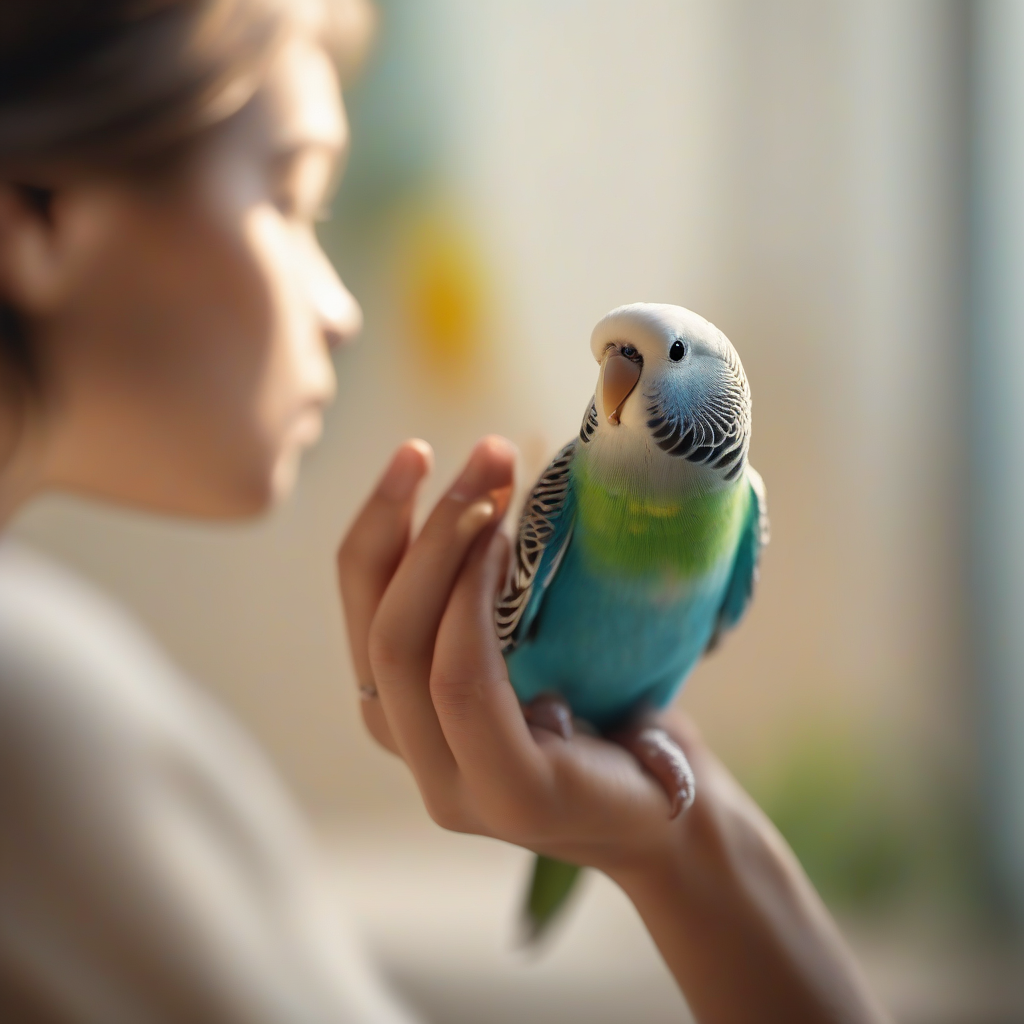
In this article, you will explore the neurocognitive foundations of forming a strong bond with your adopted bird, learning scientific strategies to deepen trust and attachment. We delve into the intricacies of human-bird interaction during post-adoption adaptation, examining chemical and structural changes in the bird's brain from a scientific perspective.


Discover the types of burns your dog can suffer, the 5 insidious neurophysiological effects these burns create in the brain and body, and lifesaving emergency intervention strategies in this comprehensive guide. We shed light on the dangers behind forgotten household accidents from a scientific perspective.

Discover the neurobiological signals of hidden stress your newly adopted cat experiences during adaptation to a new social environment. This article reveals 5 insidious signs of your cat's silent struggle and scientific strategies for peaceful, long-term harmony.

Your dog's anal sacs, located beneath the tail, can be hidden alarm bells often overlooked but profoundly affecting their quality of life. In this article, you will discover the 5 insidious neurobiological effects of anal sac problems on the brain and the lifesaving care secrets you need to know for your furry friend to live a peaceful life.
Adopting a bird is a special experience that brings joy and color into your life. However, forming a truly deep, reciprocal bond with these unique creatures is possible not just with love and attention, but also by understanding their inner world – their neurocognitive mechanisms. The post-adoption period, in particular, is a critical time for your bird to adapt to its new environment and to you. The quality of the bond established during this period determines your bird's overall well-being and the future of your relationship. So, how does the process of human-bird bonding work in your bird's brain? Let's explore 5 neurocognitive secrets that shape this deep attachment, informed by scientific data, and how you can leverage them.
Just like in mammals, birds also possess hormones that regulate social bonds and trust. Specifically, oxytocin (or mesotocin, a structurally similar neuropeptide) and vasopressin are known for their effects on avian social behaviors and pair bonds. In the context of human-bird bonding, regular, gentle, and positive interactions can trigger the release of these hormones. Speaking to your bird in a calm tone, gently stroking it (if it enjoys it), or sharing a common activity can increase the release of these 'trust chemicals,' creating a positive association with you in its brain. Remember, as highlighted in the article Your Cat's 'Trust Map': 5 Hidden Neurocognitive Locks in the Brain During Early Adoption and Scientific Secrets to Deep Bonding!, building trust is a neurobiological process for all pets, and while species-specific differences exist, the fundamental principles are similar.
Birds, especially social species like parrots, are highly capable of mimicking and learning behaviors from other individuals thanks to their mirror neuron systems. These neurons activate when observing an action, as if they were performing it themselves. This allows your bird to 'mirror' your behaviors, tone of voice, and even your mood. Using a calm, positive, and consistent demeanor when interacting with your bird activates these mirror neurons in its brain, fostering mutual understanding and bonding. Our article, Your Bird's Secret 'Vocal Genius' Code: 5 Neurocognitive Keys to Imitating Human Speech and Scientific Training Strategies!, delves deeper into the neurocognitive basis of vocal mimicry and offers insights on how these mechanisms can be utilized for bonding.
Adapting to a new environment or meeting new humans can be a stressful experience for birds, increasing levels of stress hormones like cortisol. High cortisol levels can hinder bonding and make your bird defensive. Minimizing your bird's stress during the initial post-adoption period is fundamental to building trust. Maintaining a stable cage placement, avoiding sudden loud noises, adhering to routines, and refraining from forced interactions help to lower your bird's cortisol levels. Providing a safe and predictable environment reduces your bird's perception of threat in its brain, allowing it to be more open to you. This process shows similarities to the principles described for dogs in the article The Neurocognitive Map of Trust in Adopted Dogs: 5 Scientific Strategies to Reshape Fear!.
Birds have a powerful reward system in their brain that regulates pleasure and motivation. This system activates with rewarding experiences such as food, play, or social interaction, triggering dopamine release. Using positive reinforcement techniques when bonding with your bird activates this reward system, helping it to code you as a 'reward provider.' Offering a favorite treat, providing a cherished toy, or simply gentle praise encourages your bird to associate interactions with you with positive experiences. As emphasized in the article Your Bird's Secret 'Play Brain': 5 Neurocognitive Secrets Shaping Mental Stimulation and Well-being!, this is a fundamental part of mental stimulation and well-being, and also a powerful tool for bonding.
Birds are creatures that thrive on daily routines and predictability. Regular feeding times, cage cleaning, playtime, and rest periods create 'neural traces' in your bird's brain, helping it perceive its environment as safe and controllable. This predictability keeps cortisol levels low, allowing your bird to relax and be more open to new experiences. Consistent and regular interactions with you also reinforce your bird's trust in you, solidifying its perception of you as a 'flock leader' or 'safe haven.' The principle of consistency, explained in the article Your Bird's 'Secret Consistency Algorithm' in Training: 5 Scientific Steps Accelerating Neuroplasticity and Lasting Habit Secrets!, is vital not only in training but also in establishing a strong bond.
Forging a deep bond with your bird is achievable through patience, understanding, and a scientifically informed approach. Activating hormones like oxytocin and vasopressin through appropriate interactions, strengthening communication via mirror neurons, managing stress (cortisol), supporting the reward system with positive reinforcement, and establishing consistent routines will map out an 'individual bonding map' in your bird's brain for a healthy and lasting relationship with you. By understanding and applying these neurocognitive secrets, you can strengthen the bond with your bird and enjoy a happy, thriving life together.
