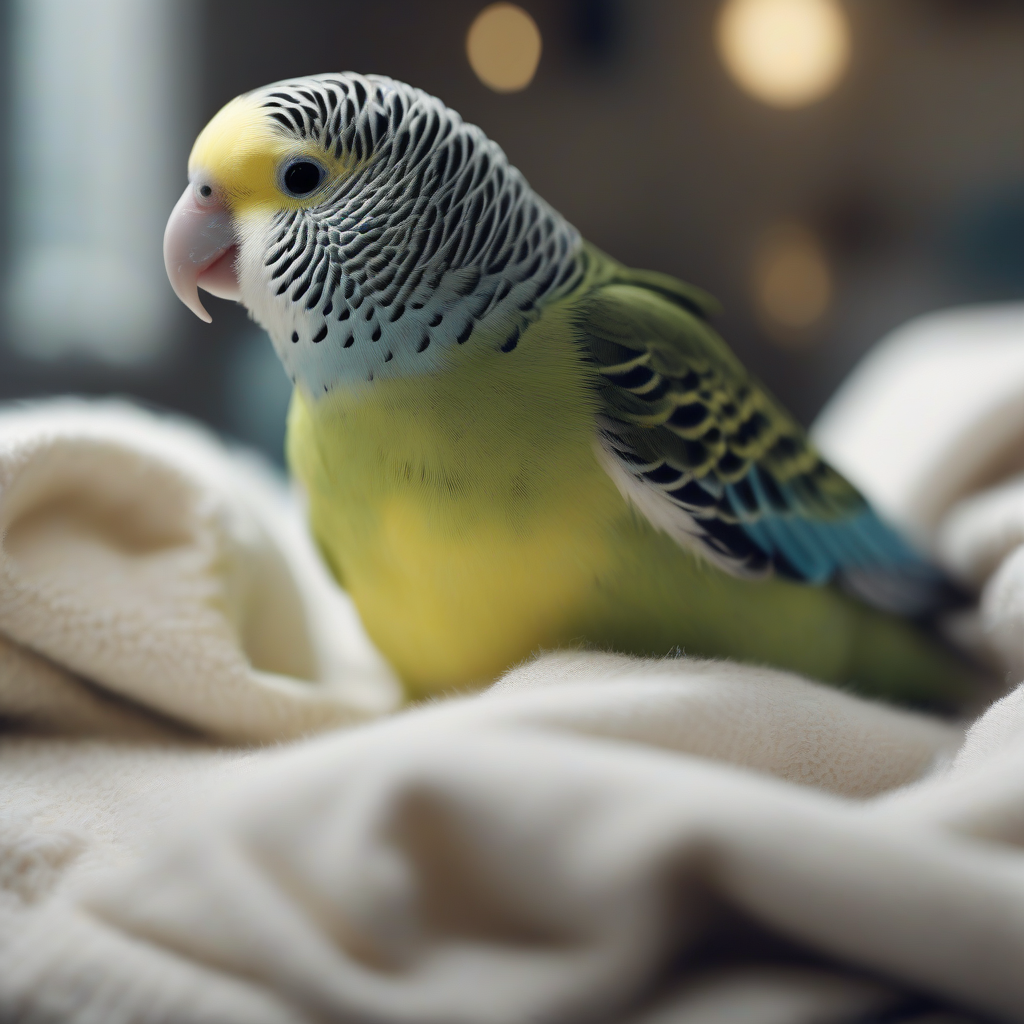
In this article, you will discover how quickly sudden bleeding can become life-threatening in pet birds, how their brain reacts to this situation, and the neurobiological signals of blood loss. Learn lifesaving scientific first aid steps for emergencies.

In this article, you will find comprehensive information about the insidious neurobiological effects of artificial colorings, preservatives, and flavors found in commercial bird feeds on your bird's brain health and mental vitality. We explore scientific nutritional secrets to combat these hidden dangers, shedding light on a wide spectrum of effects from behavioral changes to cognitive decline.
In this article, you can discover the scientific secrets to understanding your cat's undesirable habits, deciphering the neurocognitive mechanisms in their brain, and establishing lasting new routines.

Discover the types of burns your dog can suffer, the 5 insidious neurophysiological effects these burns create in the brain and body, and lifesaving emergency intervention strategies in this comprehensive guide. We shed light on the dangers behind forgotten household accidents from a scientific perspective.
Pet birds, due to their delicate physiology and small blood volume, can rapidly enter a life-threatening state during sudden bleeding. A cut, feather follicle damage, or internal injury can destabilize your bird's life balance within seconds. However, instead of panicking, understanding the neurobiological signals your bird's brain gives in response to blood loss and applying quick, scientifically-backed first aid can save your tiny friend's life. In this article, we will delve into the neurobiological mechanisms that trigger your bird's "red flash" alarm and the critical steps you need to take in an emergency.
Birds have extremely fast metabolisms, and their blood volume is quite low relative to their body weight. While an average parakeet has only a few milliliters of blood, the body rapidly goes into shock once bleeding begins. The brain perceives this sudden and dangerous situation as a "red flash" and activates survival mechanisms. Blood loss reduces oxygen-carrying capacity, meaning the brain loses the energy necessary to maintain vital functions. The neurobiological responses of the brain to oxygen deprivation manifest as observable external signs. Correctly interpreting these signs is crucial for early intervention.
When your bird experiences blood loss, the central and autonomic nervous systems react in a coordinated manner. These responses are natural defense mechanisms designed to increase the bird's chances of survival, but they are also signals that immediate intervention is required.
Blood loss rapidly decreases the amount of oxygen reaching the brain. In response to this energy crisis, the brain attempts to minimize energy consumption. This manifests as your bird suddenly becoming lethargic, ceasing its activity, and abandoning its normally curious behaviors. For instance, the ability to focus, as discussed in Your Bird's 'Secret Attention Filter': 5 Neurocognitive Clues Triggering Rapid Learning in Training and Optimal Focus Strategies!, may completely disappear. The bird may remain motionless at the bottom of its cage or struggle to perch.
The body attempts to compensate for the reduced oxygen-carrying capacity caused by blood loss by trying to take in more oxygen. Respiratory centers in the brainstem detect the drop in blood oxygen saturation and command an increase in breathing rate. Your bird's slightly open beak, rapid, and shallow breathing is a sign that the body is experiencing acute oxygen starvation. This situation is also a physiological response similar to the panic attacks seen in fish, as explored in Hidden 'Oxygen Panic Attacks' in Fish Aquariums: 5 Insidious Neurophysiological Signals and Lifesaving Emergency Intervention Codes!.
In cases of blood loss, the autonomic nervous system constricts peripheral blood vessels (vasoconstriction) to prioritize blood flow to vital organs. This causes mucous membranes (around the eyes, inside the mouth, cloaca), which should normally be pinkish or reddish, to appear pale or bluish. The bird's skin, especially on the legs and feet, may feel cold and pale. This is a clear neurobiological sign that the body is redirecting blood to central organs to maintain blood pressure.
The nervous system, which facilitates communication between the brain and muscles, cannot function properly when it receives insufficient oxygen and energy due to blood loss. This can cause your bird to lose its balance on the perch, sway, or fall completely to the ground. Control over flight muscles, in particular, becomes difficult. The balancing ability emphasized in Your Bird's 'Secret Balance Algorithm': 5 Neurocognitive Secrets of Perch Selection and Scientific Comfort Zone for Zero Stress! can be completely disrupted in this moment of crisis.
At the most advanced and critical stage of blood loss, the brain cannot sustain its functions when it doesn't receive enough oxygen and nutrients. This leads to loss of consciousness and subsequently, the bird becoming too weak to even collapse. Without immediate intervention, this can result in irreversible damage or death. This is an extension of the shock condition discussed in Your Bird's Sudden Trauma Shock: 5 Insidious Neurocognitive Signs and Lifesaving Emergency Intervention Secrets!.
Every second counts when you notice signs of sudden bleeding in your bird. Stay calm and follow these steps:
Using a small gauze pad or a clean cloth, apply gentle but firm pressure to the bleeding area. You may need to wait for several minutes for the bleeding to stop. Never attempt to wipe or rub the wound; this can prevent clotting.
For small superficial bleeds, such as nail bleeds, you can use cornstarch or styptic powder (bleeding control powder) available from your vet. Apply the powder by pressing it onto the bleeding area. However, never use such products on deep or large wounds, or near the eyes or respiratory tract.
Blood loss can lead to hypothermia (a drop in body temperature). Keep your bird warm by wrapping it in a soft towel or placing it under a heat lamp (from a distance and with caution). Minimize stress by quieting the environment and handling your bird gently. Stress can increase blood pressure and heart rate, worsening bleeding. As Your Bird's Hidden 'Fluid Balance' Crisis: 5 Insidious Neurophysiological Signs of Electrolyte Loss and Lifesaving Scientific Solutions! suggests, general supportive care is crucial alongside addressing blood loss.
The first aid steps above are only temporary solutions. Even if bleeding is stopped, there is always a risk of internal injuries or severe blood loss. You must seek urgent veterinary attention for your bird to restore its neurophysiological balance and determine the underlying cause. The veterinarian will professionally stop the bleeding, provide shock treatment, and perform any other necessary medical interventions.
Preventing bleeding is always the best strategy. Making your bird's living space safe minimizes accidents:
Remember, your bird's health and safety are in your hands. Staying calm during a sudden bleeding incident, applying the correct first aid steps, and quickly reaching a veterinarian are key to saving your tiny friend's life. Recognizing the "red flash" alarm in your bird's brain is the first step towards a proactive and scientifically informed approach.
