
Feline Odontoclastic Resorptive Lesions (FORLs), common but often overlooked in cats, cause dental pain and serious health problems. In this article, you will discover the 5 insidious neurophysiological effects of FORLs on your cat's brain and scientific solutions for your tiny friend to live a pain-free life.

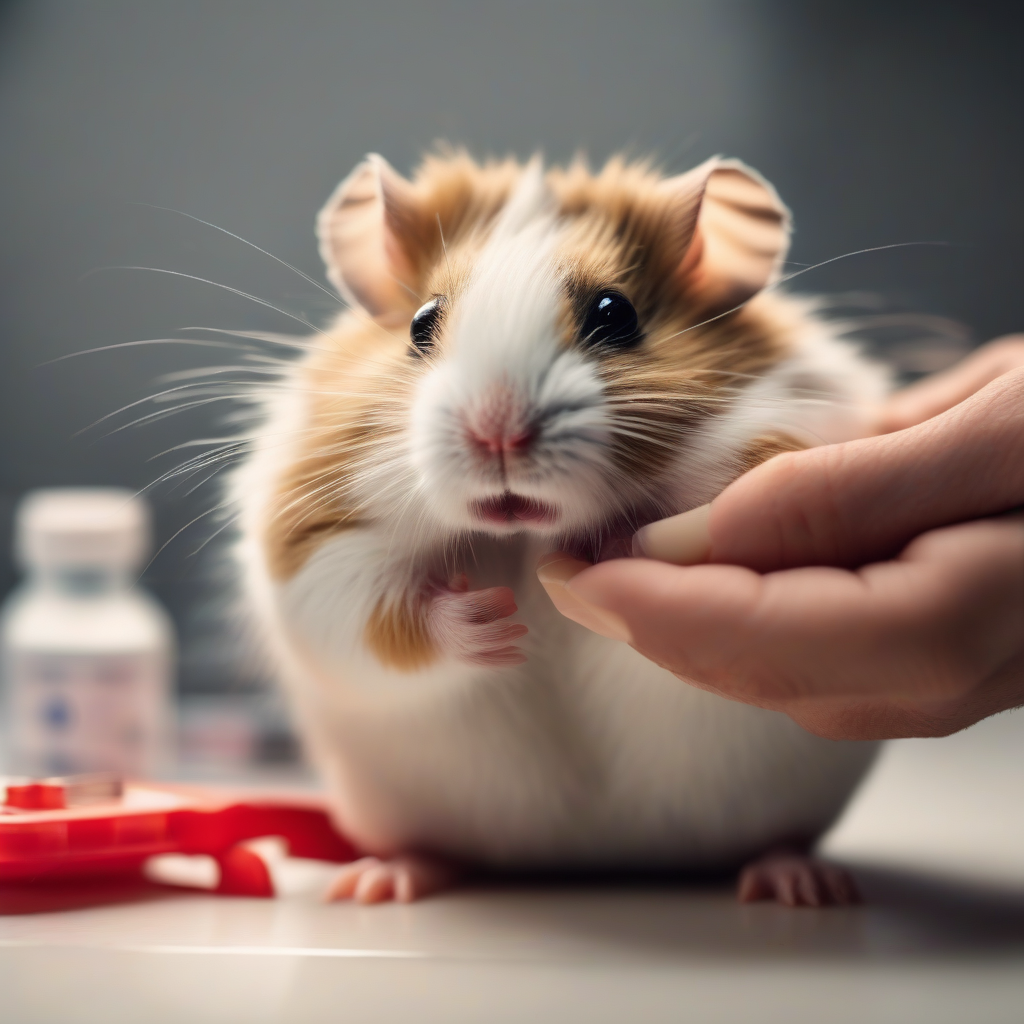
Acute respiratory obstruction, or choking, in your hamster is one of the most urgent, life-threatening emergencies. In this article, we will delve into the 5 insidious neurophysiological effects of choking on your hamster's brain and the lifesaving emergency intervention codes you can apply in this critical situation. Swift and correct action can save your tiny friend's life.

In this article, we scientifically examine the 'shadow of the past' carried in the brains of rehomed birds, exploring the neurocognitive effects of old home connections and secrets to building lasting trust in their new homes.

Adequate water intake is fundamental for your cat's overall health and especially brain function. This article deeply explores the insidious neurobiological effects of chronic dehydration on your cat's brain and offers lifesaving scientific hydration strategies.
Cats, by nature, are masters at hiding their pain. This trait can lead your cat to suffer in silence for extended periods, especially with an insidious dental disease like Feline Odontoclastic Resorptive Lesions (FORLs). Also known among veterinarians as 'cat cavities,' FORLs are extremely painful lesions that erode the enamel and dentin layers, starting from the tooth root. Affecting 20% to 70% of adult cats worldwide, this common condition is not confined to the mouth but has profound and destructive neurophysiological effects on your cat's overall health and brain functions.
In this comprehensive guide, we will scientifically explain the invisible effects of FORLs on your cat's brain, the destructive dance of chronic pain on the nervous system, and how it diminishes their quality of life. We will also explore scientific solutions to help you detect this insidious disease early and provide your tiny friend with a pain-free, healthy life.
Chronic pain from FORLs leads to a series of complex and insidious effects on your cat's brain and nervous system. These effects represent much more than a simple toothache and can profoundly impact your cat's behavior, mood, and overall well-being.
FORLs are a constant source of pain. Chronic pain causes neuroplasticity in the central nervous system, meaning permanent changes in the structure and function of nerve cells. This leads to a decreased pain threshold and the perception of even normally non-painful stimuli as painful (allodynia) or mildly painful stimuli as excessively painful (hyperalgesia). Your cat's exaggerated reaction when touched in the mouth or while eating is a sign of this neurophysiological adaptation. As the brain is constantly bombarded with pain signals, it reorganizes itself accordingly and becomes more sensitive to pain.
Chronic pain is a continuous stress factor for cats. This condition leads to the constant activation of the hypothalamus-pituitary-adrenal (HPA) axis and chronically high levels of stress hormones like cortisol. High cortisol levels disrupt the balance of neurotransmitters in the brain; in particular, they can lower the levels of chemicals associated with happiness and motivation, such as serotonin and dopamine. This hormonal imbalance sets the stage for your cat to exhibit behavioral problems like anxiety, depression, and irritability. Behaviors such as hair loss or excessive grooming can be an indicator of hidden stress. For more information on this topic, you can read our article Your Cat's Hidden 'Stress Reservoir': 5 Neurobiological Signs in Hair Loss and Scientific Solutions!.
Tooth pain directly affects your cat's most basic need: feeding behavior. Due to oral sensitivity or pain, cats may refuse to eat, struggle to chew, or only prefer foods of certain textures. This leads to reduced food intake and, over time, nutritional deficiencies. The brain may not process hunger and satiety signals correctly, which can lead to a disruption of metabolic rhythm. Our article The Mystery of Your Cat's Food Texture: 5 Neurobiological Effects of Mouthfeel on the Brain and Optimal Nutrition Strategies! provides more detailed information on this topic. Furthermore, to learn about stress signals in the food bowl, you can refer to Your Cat's 'Silent Stress Signals': 5 Neurobiological Collapses in the Food Bowl and Scientific Shield Secrets for Healthy Digestion!. Loss of appetite due to chronic pain is also discussed in detail in Your Cat's 'Hidden Metabolic Traps': 5 Insidious Neurological Triggers Behind Sudden Loss of Appetite and Scientific Solutions!.
Persistent pain from FORLs can lead to learned helplessness in cats. When a cat realizes that its efforts to reduce pain (e.g., avoiding certain foods, refusing to play) are futile, this can turn into passivity, depression, and disinterest in its surroundings. The brain develops neural pathways that reduce problem-solving abilities and lower motivation. This adaptation can cause your cat to avoid social interactions, hide, and refrain from activities it normally enjoys.
Chronic pain also disrupts your cat's sleep patterns. Problems such as frequent awakenings due to pain, inability to reach deep sleep stages, or difficulty falling asleep can arise. Insufficient and poor-quality sleep negatively affects brain functions; it can lead to reduced cognitive abilities, memory problems, and mood swings. Insomnia also weakens the immune system, making your cat more vulnerable to other diseases, reducing its overall well-being and quality of life.
Although cats hide their pain, observant owners can notice some insidious signs:
FORL diagnosis is typically made through a detailed oral examination and dental X-rays under general anesthesia. While surface lesions may be visible, most lesions develop beneath the gum line and can only be detected with X-rays. Treatment involves the extraction of the painful tooth or tooth fragments. This is the only definitive way to alleviate pain and improve the cat's quality of life. Early diagnosis means less invasive treatment and a faster recovery for your cat.
While completely preventing FORLs can be challenging, it is possible to reduce risk factors and facilitate early detection:
FORL is a serious condition with profound, insidious effects on your cat's brain and overall health. Chronic pain can lead to stress, behavioral changes, and a reduced quality of life, causing your cat to suffer in silence. However, as a conscious owner, recognizing the symptoms and ensuring early diagnosis and treatment through regular veterinary check-ups is vital for your tiny friend to live a pain-free, happy, and healthy life. The sparkle in your cat's eyes and their purrs are the most beautiful indicators that they are living a pain-free life. Remember, investing in your cat's health strengthens your bond and provides them with the peace they deserve.
