
Discover the scientific reasons behind your cat's sudden loss of appetite and how to overcome these hidden metabolic traps. Learn about the neurological triggers and proposed solutions.


In this article, you will discover the little-known but profound effects of the acoustic environment in rabbit living spaces on their brain health and general well-being, exploring the neurobiological consequences of both sound deprivation and overstimulation, and scientific secrets to creating a peaceful environment. Understand and optimize your rabbit's world with expert tips.
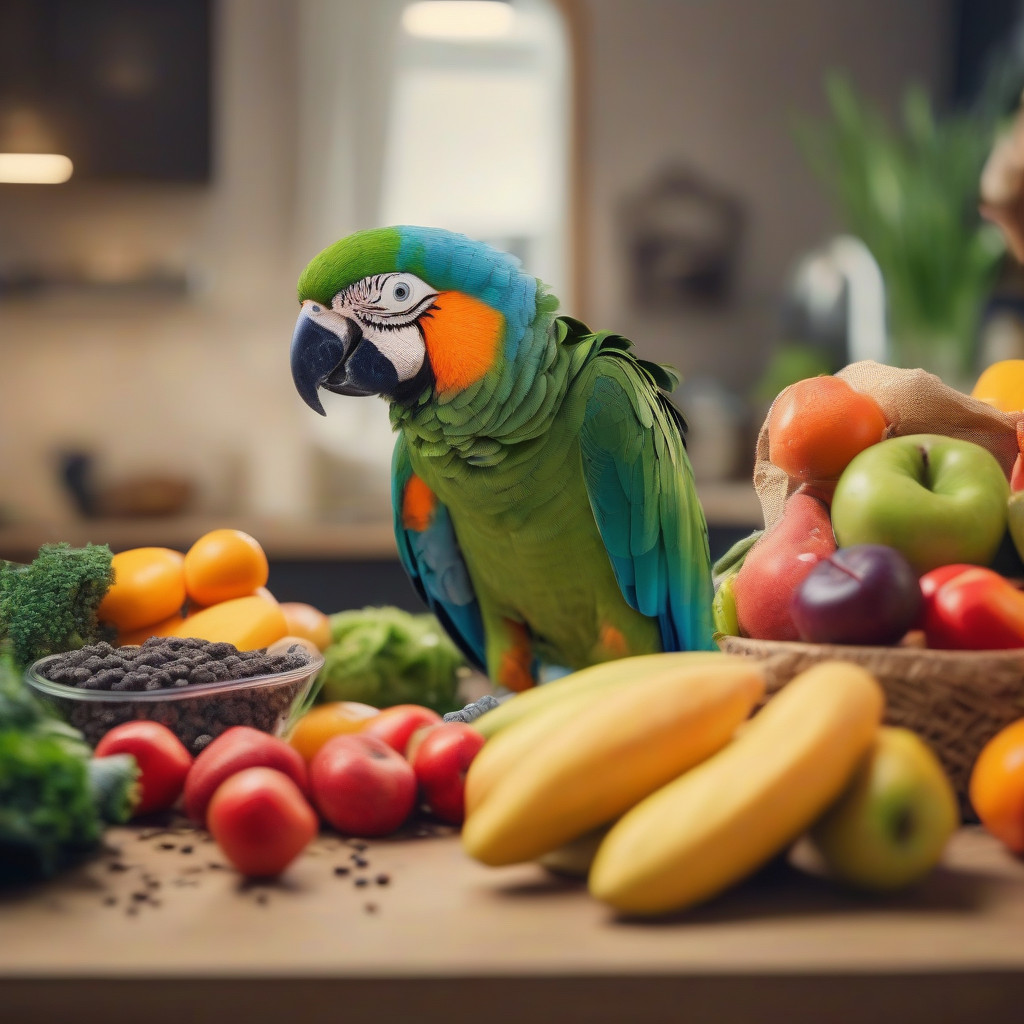
In this article, you will find comprehensive information about the insidious neurobiological effects of artificial colorings, preservatives, and flavors found in commercial bird feeds on your bird's brain health and mental vitality. We explore scientific nutritional secrets to combat these hidden dangers, shedding light on a wide spectrum of effects from behavioral changes to cognitive decline.
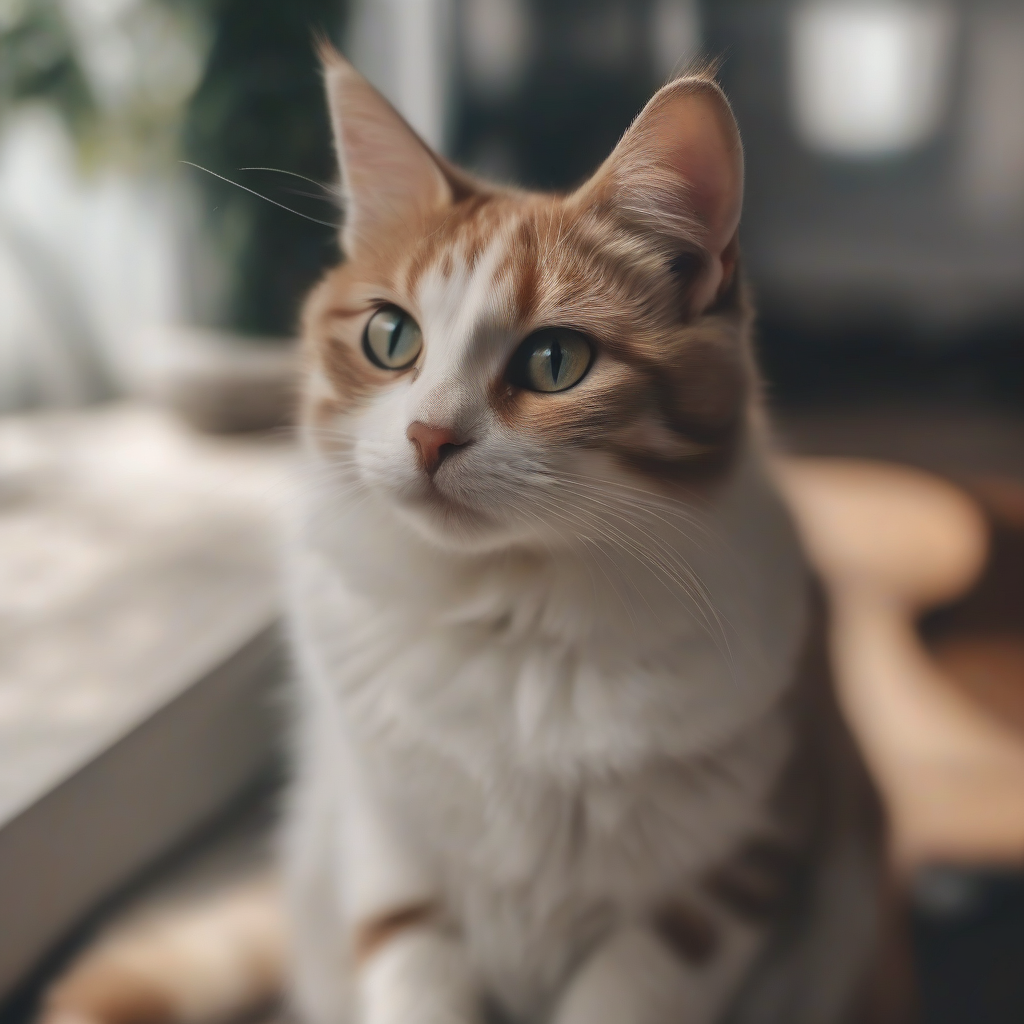
In this article, you can discover the scientific secrets to understanding your cat's undesirable habits, deciphering the neurocognitive mechanisms in their brain, and establishing lasting new routines.
Cats are mysterious and graceful creatures by nature. However, the sudden loss of appetite in our beloved companions can be a significant cause for concern. While this abrupt lack of interest in food might seem simple, the underlying complex neurological and metabolic mechanisms can offer crucial insights into your cat's overall health. These 'hidden metabolic traps' can silently operate within your cat's body, weakening them.
Cats are highly sensitive to environmental changes. A sudden move, a new pet in the household, or even unexpected loud noises can elevate your cat's stress levels. This stress triggers the release of hormones like cortisol. Chronic stress negatively impacts the brain's appetite-regulating centers (such as the hypothalamus), suppressing the desire to eat. Consequently, your cat may become indifferent to their usual favorite foods. Your cat's secret social chemistry and stress management are critical at this point.
Oral and dental problems in your cat can do more than just create chewing difficulties; they are one of the most insidious causes of appetite loss. Gum inflammation, tooth decay, or mouth sores can cause your cat to experience pain with every bite. This pain is processed in the brain as a negative signal, associating it with the act of eating. As a result, the cat feels reluctant to eat, even when approaching the food bowl. Your cat's silent oral wars should not be overlooked.
The digestive system of cats is, in essence, their second brain. Any imbalance in the digestive tract, such as an infection, presence of parasites, or inflammatory bowel disease (IBD), can disrupt the appetite signals to the brain. An increase in harmful gut bacteria or a decrease in beneficial ones can affect the balance of neurotransmitters (like serotonin). This imbalance can make your cat feel full or nauseous, eliminating their desire to eat. This condition is closely related to your cat's secret gut shield.
Kidneys filter waste products from the body, keeping it clean. A decline in kidney function in cats leads to a buildup of toxic substances like urea in the blood. These toxins can stimulate the vomiting center in the brain and cause general lethargy, shutting down the cat's appetite. While this condition may not show early signs, it can lead to your cat completely refusing food as it progresses. Such hidden toxins can cause sudden changes in your cat's behavior. Our article on your dog's hidden toxin threat can provide a general idea on this topic.
Metabolic issues like diabetes and thyroid diseases are significant causes of appetite loss in cats. A diabetic cat may experience insulin resistance, preventing cells from receiving enough glucose, which can lead to constant hunger, but fluctuations in blood sugar can sometimes cause appetite cessation. In hyperthyroidism, while appetite may initially increase due to a sped-up metabolism, loss of appetite can occur in later stages. These diseases indirectly affect appetite by disrupting the body's energy usage and hormonal balance.
If your cat experiences sudden appetite loss, the first and most crucial step is to consult your veterinarian. Early diagnosis and appropriate intervention are vital for your companion's health.
Your cat's health is an integral part of the bond you share. By understanding these hidden metabolic traps and taking preventive measures, you can ensure your companion lives a long and healthy life.
