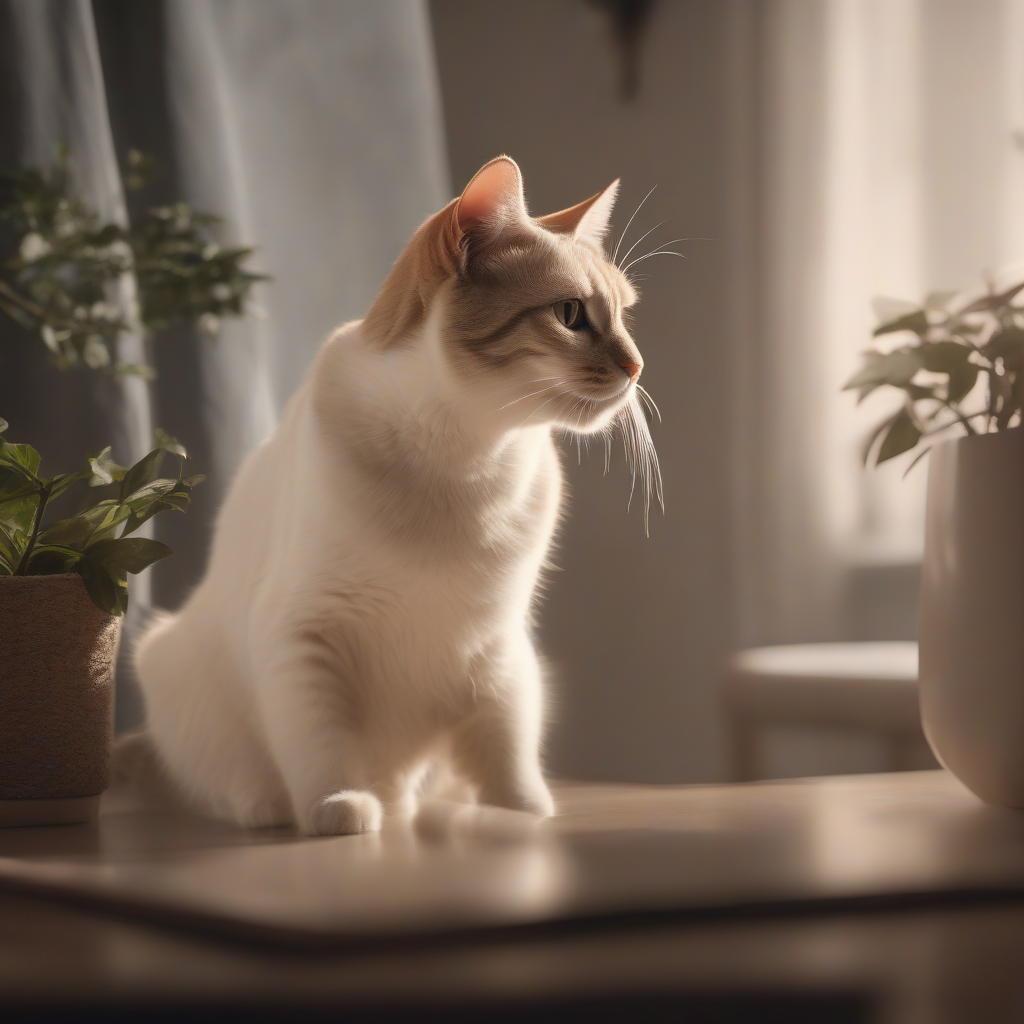
Discover how your cat perceives the home's scent architecture and the neurobiological effects of pheromones. Scientific design secrets to eliminate stress.

In this article, you will find comprehensive information about the insidious neurobiological effects of artificial colorings, preservatives, and flavors found in commercial bird feeds on your bird's brain health and mental vitality. We explore scientific nutritional secrets to combat these hidden dangers, shedding light on a wide spectrum of effects from behavioral changes to cognitive decline.
In this article, you can discover the scientific secrets to understanding your cat's undesirable habits, deciphering the neurocognitive mechanisms in their brain, and establishing lasting new routines.

Discover the types of burns your dog can suffer, the 5 insidious neurophysiological effects these burns create in the brain and body, and lifesaving emergency intervention strategies in this comprehensive guide. We shed light on the dangers behind forgotten household accidents from a scientific perspective.
Compared to ours, cats' worlds are built on a much more intense and complex sense of smell. For them, home is not just a physical space, but a deeply processed 'scent map'. This map is filled with pheromone signals that directly affect your cat's mood, security, and overall well-being. In this article, we will delve into how your cat perceives the secret scent architecture at home, the neurobiological effects of pheromones on their brains, and scientific design secrets to create stress-free living spaces using this knowledge.
Cats secrete chemical signals called pheromones through specialized glands in their faces, paws, near their tails, and anal glands. These pheromones create a complex 'social chemistry' among cats and form the basis of information transfer. Pheromones serve many functions, from making a cat feel secure, marking its territory, regulating stress levels, to even determining its relationships with other cats. When your cat rubs against certain areas of the house or rubs its face, it is actually marking that area with its own pheromones, conveying the message 'this is my safe space'.
The neurobiological effects of these chemical signals are profound. The vomeronasal organ (Jacobson's organ) in a cat's nose detects these pheromones and transmits them directly to the limbic system of the brain, the area responsible for emotional responses. This means that the scent transitions from a mere 'perception' to an instant 'emotional state' change.
Your cat's sense of security at home largely depends on the proper processing of pheromones. Facial pheromones, in particular (like the synthetic versions found in products such as Feliway), help cats relax and perceive a familiar environment. Areas where a cat's own pheromones are prevalent become 'islands of safety' for your cat. These areas play a critical role during the adaptation process to a new home (your-cats-secret-social-chemistry-new-home-adaptation-neurocognitive-secrets) or when dealing with stressful situations.
In a stressful situation, the stress pheromones released by the cat stimulate the amygdala region of the brain, triggering fear and anxiety responses. Therefore, maintaining the pheromone balance in the living environment is vital for a cat's neurobiological well-being.
Neglecting the scent factor when designing your cat's living space can lead to them living under constant low-level stress. With scientifically proven design strategies, you can minimize this effect:
Enriching Vertical Spaces with Pheromones: Cats love to climb and observe their surroundings from high places. Vertical spaces like scratching posts, shelves, or cat trees (your-cats-secret-sanctuary-guide-vertical-space-dangers-height-secrets-2) are areas where cats feel secure and can mark their territory. By applying synthetic cat pheromone sprays (with your veterinarian's recommendation) to these areas, close to where the cat naturally secretes its facial pheromones, you can enhance the attractiveness and 'sense of safety' of these zones.
Pheromone Balance in 'Hidden Escape Zones': Your cat's 'escape zones' (your-cats-hidden-escape-zones-safety-threats-stress-zero-out-design-secrets-2), where they feel safe, should be filled with calm and relaxing pheromones. It is important to clean these areas regularly (but without completely eliminating their pheromones) and support them with soft materials that carry the cat's own scent (blankets, beds). Excessive cleaning or the use of chemical products can destroy these natural scent markers, creating a sense of insecurity in the cat.
Avoiding Excessive Pheromone Stimuli: The accumulation of strong and unpleasant odors in areas like litter boxes and food bowls can cause the cat to perceive these areas as 'threatening'. Regular cleaning of these areas, but avoiding chemicals that completely mask the cat's scent, can negatively affect the cat's litter box habits and eating behavior.
Role of Airflow in Pheromone Distribution: Airflow in the home (your-cats-secret-air-corridors-airflow-neurobiological-effects-peaceful-haven-secret-2) directly affects how pheromones are distributed. Cats like to follow scent trails. Stagnation or excessive airflow in certain spots can prevent the even spread of pheromones, causing the cat to feel less secure in some areas. Slight air circulation near windows or the use of a quiet fan can help pheromones disperse more evenly.
Creating Secret Scent Mazes: Cats enjoy exploring their homes and creating 'scent mazes' (your-cats-hidden-scent-mazes-pheromone-signals-neurobiological-effects-calmness-design-secrets-2). Surfaces with different textures (carpet, wood, soft fabrics) and areas at various heights stimulate the cat's sense of smell, creating a cognitively enriching environment. This helps them satisfy their hunting instincts and remain mentally active as they explore their surroundings.
Understanding how cats experience their existence at home is key to ensuring their neurobiological well-being. For them, the sense of smell is more than just a sensory organ; it is a source of identity, security, and emotional balance. By arranging your home in a way that allows your cat to smell, correctly perceive, and process pheromone signals, you can help them lead a stress-free, happy, and healthy life. Remember, silently spreading pheromones play a significant role in your cat's 'invisible mind arena', and designing this arena in their favor is in your hands.
This article aims to help you understand the scent factor in your cat's living environment and create an environment that meets their neurobiological needs. For more information, you can explore our other articles on topics such as your cat's social chemistry, safe zones, and fur health.
