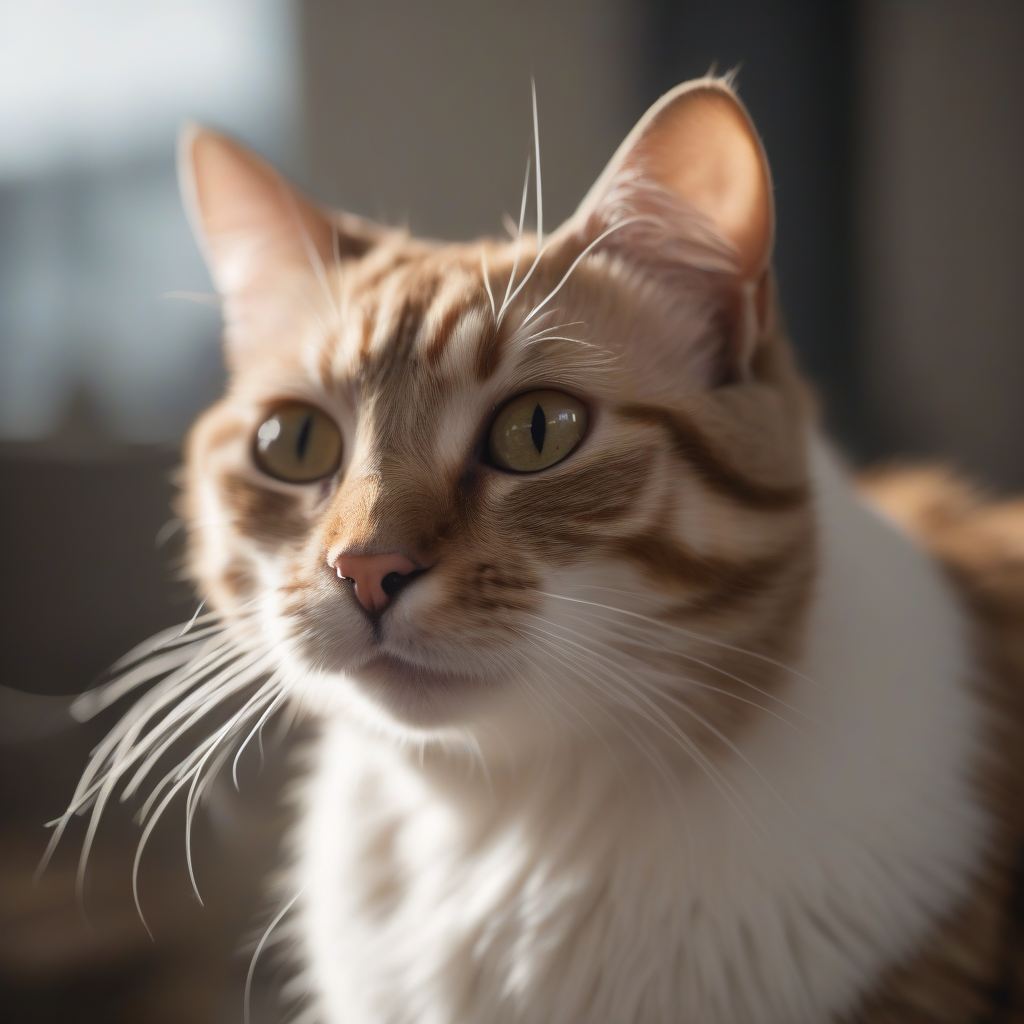
In this article, discover the 5 hidden neurobiological triggers behind your cat's silent inflammation and scientific solutions to boost their immune system.

While cats possess a surprising ability to adapt to high-rise fall traumas, the insidious neurophysiological effects on their brain carry vital risks. In this article, we reveal 5 critical neurobiological effects your cat may experience after a fall and the lifesaving emergency intervention codes with scientific secrets.

In this article, you will discover how your rabbit copes with unexpected situations and its neurocognitive responses to non-routine events. Learn scientific secrets to enhance mental flexibility and manage stress.

In this article, you will find comprehensive information on the insidious neurophysiological effects of seizures in cats' brains and lifesaving emergency intervention codes during a seizure.
Cats are delicate and sensitive creatures, and their health can be profoundly affected by invisible factors. A topic gaining increasing importance in veterinary medicine is 'Silent Inflammation.' This is a state of chronic inflammation that can progress in cats without obvious symptoms, but can lead to serious health problems over time. So, how does this invisible enemy perform a neurobiological dance within your cat's body and how does it collapse their immune system? In this article, we will delve into the 5 hidden neurobiological triggers behind silent inflammation that threaten your cat's health, and the scientific strategies to combat it.
Silent inflammation is a low-level, continuous response by the body to chronic stress or damage. When the immune system is triggered by this ongoing threat, inflammatory mediators (cytokines) are released. While initially a protective mechanism, this can lead to tissue damage in the long run, impair organ function, and weaken the immune system, making your cat more vulnerable to infections and other diseases. The reason it's called 'silent' is the frequent absence of acute inflammatory signs like obvious pain, swelling, or redness. Therefore, early diagnosis and intervention are crucial.
There are many factors that can trigger silent inflammation in your cat's body. However, most of these factors are intricately linked with the brain and nervous system. Here are 5 critical neurobiological triggers that can be overlooked:
Cats can be highly sensitive to changes in their environment. Sudden moves, a new pet in the house, noisy surroundings, or even their owner's stressed mood can lead to chronic stress in cats. Stress activates the hypothalamic-pituitary-adrenal (HPA) axis in the brain, leading to the release of stress hormones like cortisol. Constantly high cortisol levels can disrupt immune cell function and increase inflammatory mediators (cytokines), thus triggering silent inflammation. In short, your cat's mental unease directly affects their physical health. Our article, Your Cat's 'Silent Sanctuary Quest': 5 Neurobiological Keystone Points for New Home Adaptation and Scientific Harmony Secrets to Zero Out Stress!, offers more information on this topic.
Your cat's gut is not just a digestive organ; it is also one of the largest immune organs in the body and has a complex relationship with the nervous system (the gut-brain axis). An imbalance in the beneficial bacteria in the gut (microbiota), known as dysbiosis, can lead to an increase in inflammatory mediators and increased intestinal permeability. This allows bacterial toxins to enter the bloodstream, causing widespread inflammation throughout the body. Is Your Cat's Hidden 'Bacterial Defense Line' Collapsing? 5 Insidious Neurobiological Triggers of Dysbiosis and a Scientific Shield elaborates on this subject in detail.
Your cat's food bowl is not just a feeding station; it's a neurobiological indicator of their health. Low-quality foods, artificial colors, preservatives, and inadequate nutrient content can trigger an inflammatory response in your cat's body. Specifically, a high ratio of omega-6 fatty acids to omega-3 fatty acids promotes inflammatory processes. A deficiency in certain nutrients crucial for brain function can also negatively affect cognitive function and, consequently, inflammatory responses.
Cats are natural hunters and programmed to move. Insufficient physical activity not only leads to weight gain but also to a decrease in muscle mass and a slowing of metabolic processes. This is associated with an increase in inflammatory markers in the body. Furthermore, regular movement promotes the release of feel-good neurotransmitters like endorphins, reducing stress levels and improving overall well-being. A sedentary lifestyle can disrupt neurochemical balances in the brain, indirectly supporting silent inflammation.
Our homes can harbor more environmental toxins than we think: cleaning products, pesticides, synthetic fragrances, and even some toys. These toxins can overload your cat's nervous system or directly cause cellular damage, triggering an inflammatory response. The nervous system's effort to process these toxins keeps the immune system engaged, leading to a cycle of chronic inflammation. You can learn more about this by reviewing our article, Your Dog's 'Hidden Toxin' Threat: 5 Insidious Neuro-Toxic Substances in the Food Bowl and Scientific Solutions for Behavioral Changes!.
Steps to prevent and manage silent inflammation in your cat are based on neurobiological principles:
Build your cat's diet with a high-quality, animal-protein-based, low-processed, and balanced nutrition plan. Opt for foods rich in omega-3 fatty acids (e.g., salmon oil supplements) and those containing antioxidants with anti-inflammatory properties. Articles like The Hidden Neurochemistry of Fish Food: 5 Critical Nutritional Secrets to Enhance the Mental and Physical Well-being of Your Aquarium Inhabitants! highlight the connection between nutrition and health.
Make your cat's living environment safe and peaceful for them. Provide them with spaces where they can hide, rest, and feel secure. Your Cat's 'Hidden Space' Crises: 5 Neurobiological Voids in the Home and Scientific Design Secrets to Zero Out Stress! will guide you in this regard. Reduce their stress through play and interaction.
Regular veterinary check-ups are crucial for the early detection of silent inflammation. Your veterinarian can identify potential inflammatory processes at an early stage through blood tests and other diagnostic methods and establish an appropriate treatment plan. It's also important to be prepared for emergencies like those discussed in Your Cat's Hidden 'Blood Loss Alarm': 5 Neurobiological Signals Crucial in Emergencies and Lifesaving Intervention Codes!.
Supplements containing probiotics and prebiotics to support gut health can help correct microbiota balance and reduce inflammatory responses. Consult your veterinarian to determine the most suitable supplements for your cat.
Replace cleaning products and other potential toxins in your home with natural and pet-friendly alternatives. Ensure that harmful chemicals are not present in areas accessible to your cat.
While silent inflammation is a stealthy threat to your cat's health, it is possible to combat this invisible enemy with the right knowledge and a proactive approach. Understanding your cat's neurobiological needs and providing them with appropriate living conditions are the most crucial steps for them to live a long and healthy life.
