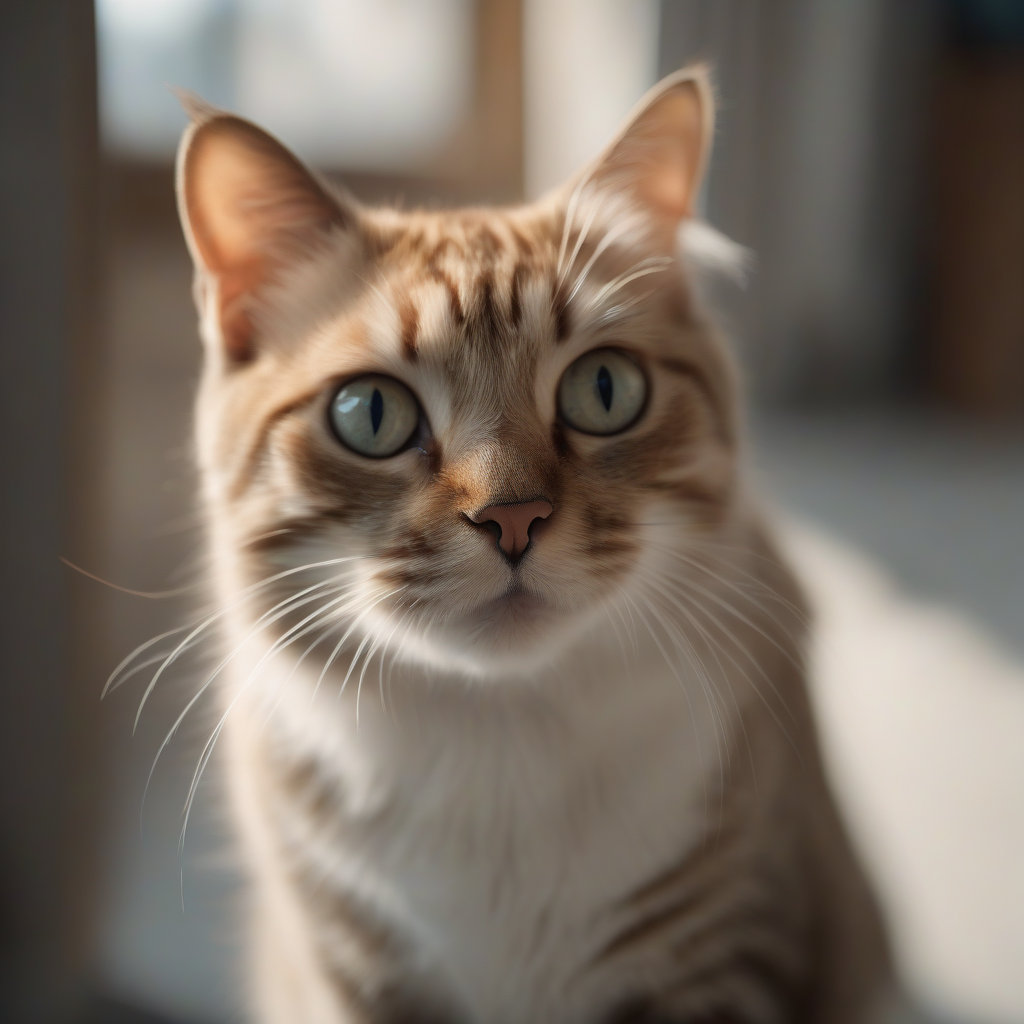
Discover your cat's hidden 'space' crises in their home environment and learn scientific design secrets to eliminate stress.

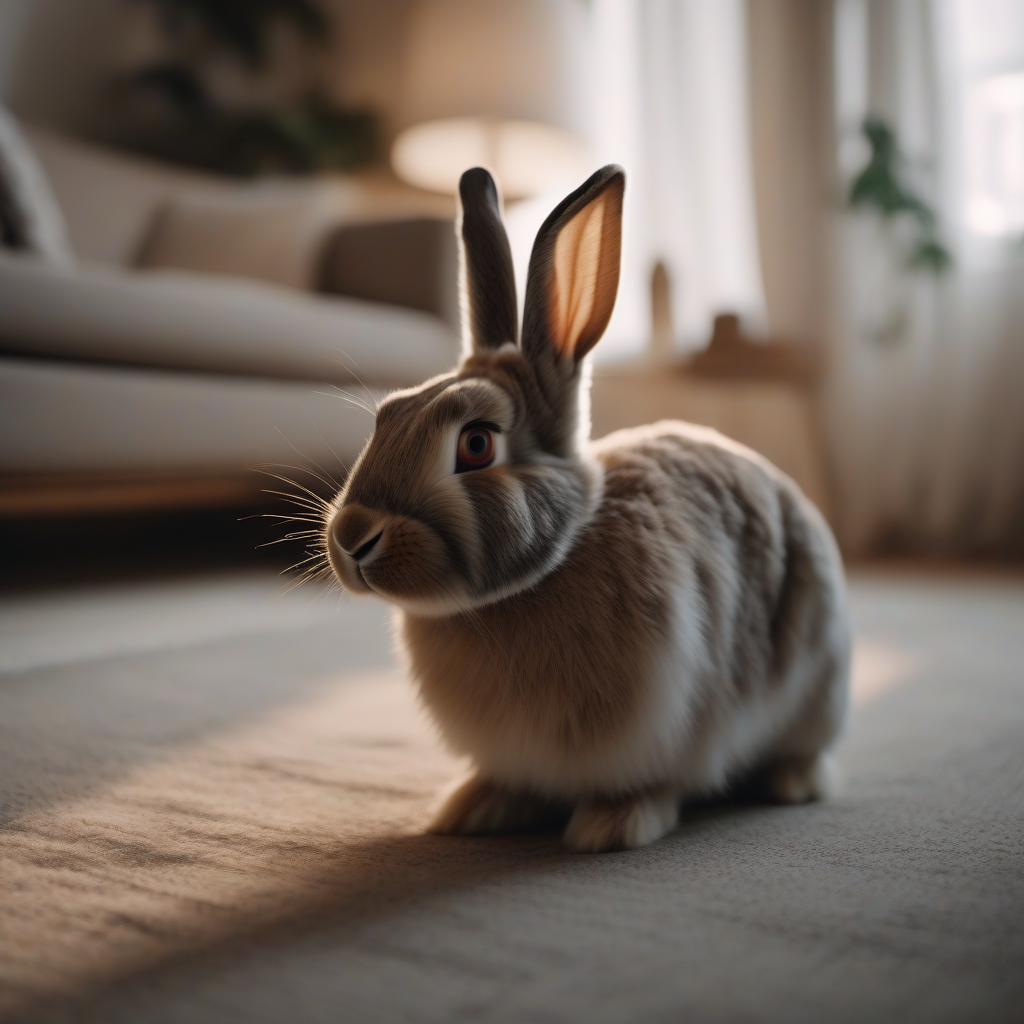
In this article, you will discover the little-known but profound effects of the acoustic environment in rabbit living spaces on their brain health and general well-being, exploring the neurobiological consequences of both sound deprivation and overstimulation, and scientific secrets to creating a peaceful environment. Understand and optimize your rabbit's world with expert tips.
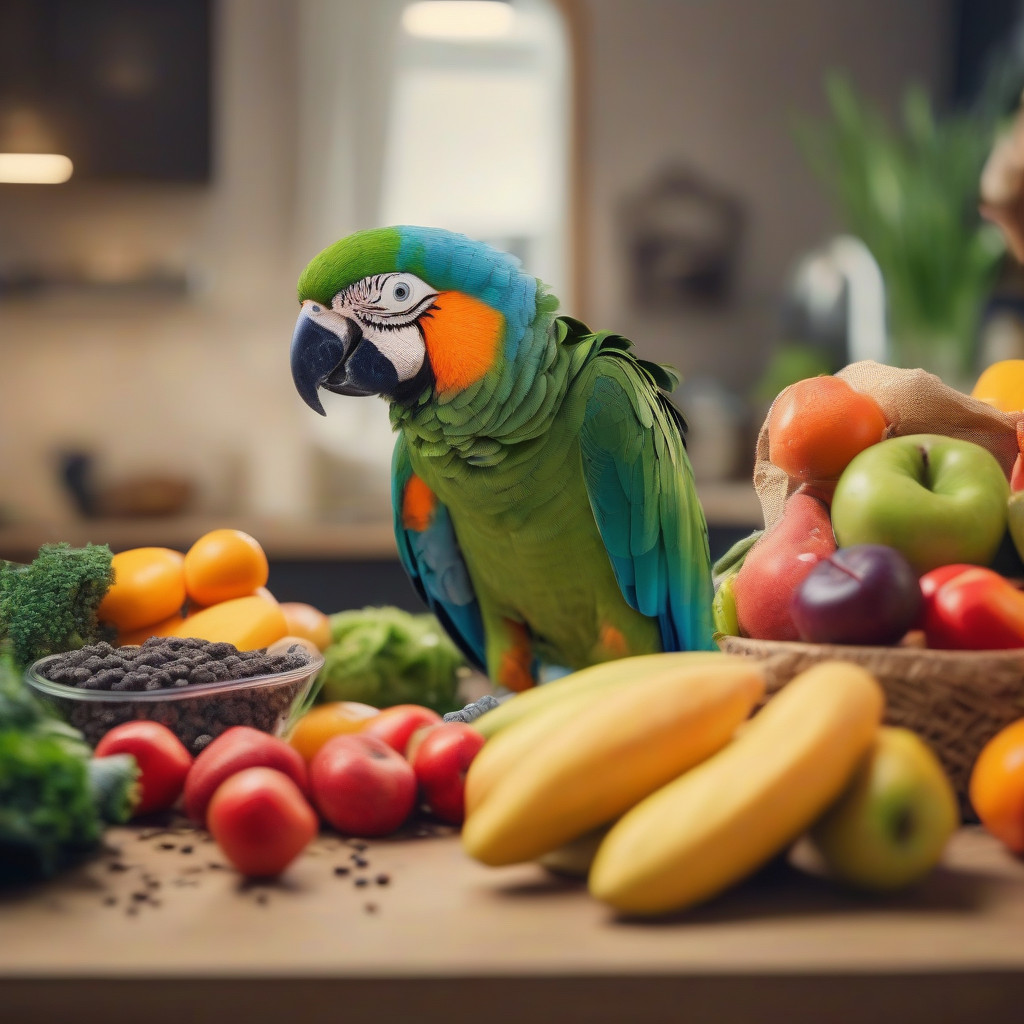
In this article, you will find comprehensive information about the insidious neurobiological effects of artificial colorings, preservatives, and flavors found in commercial bird feeds on your bird's brain health and mental vitality. We explore scientific nutritional secrets to combat these hidden dangers, shedding light on a wide spectrum of effects from behavioral changes to cognitive decline.
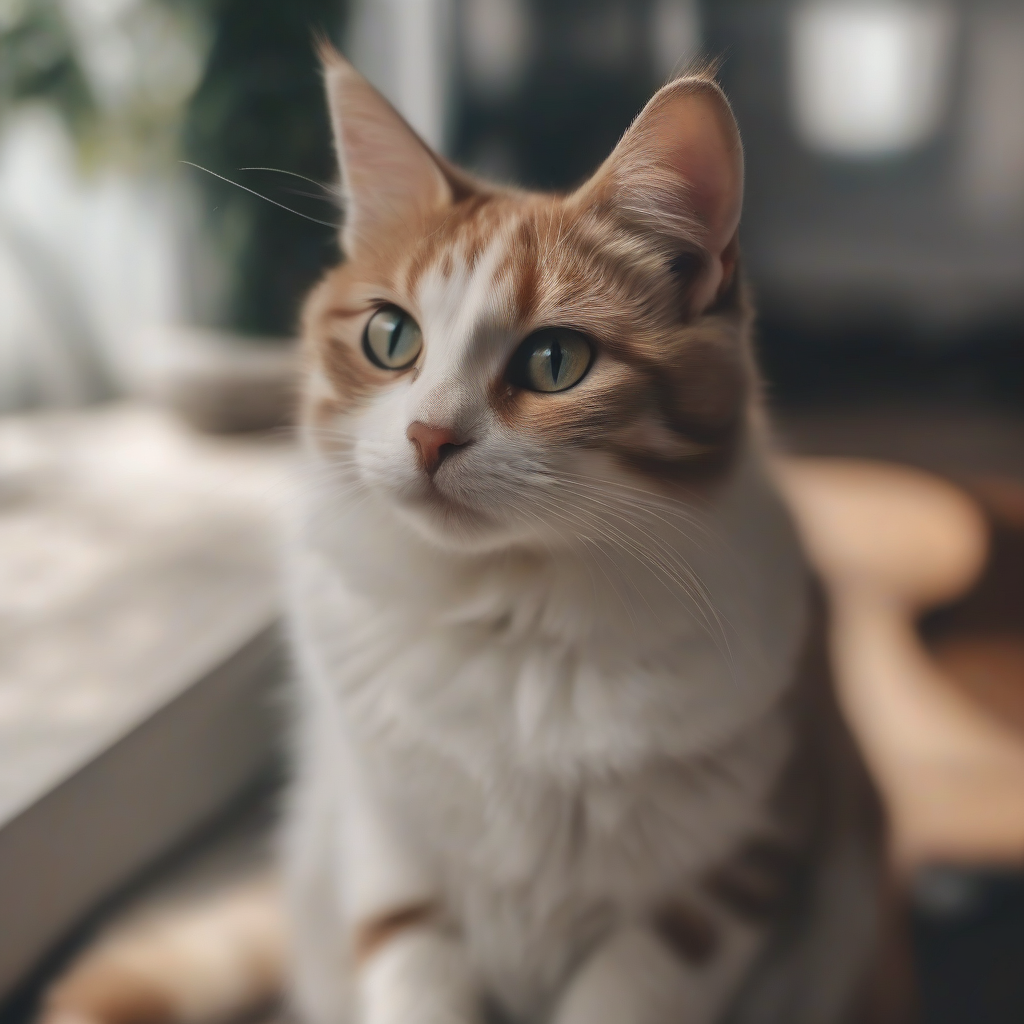
In this article, you can discover the scientific secrets to understanding your cat's undesirable habits, deciphering the neurocognitive mechanisms in their brain, and establishing lasting new routines.
The living spaces we provide for our beloved pets are more than just shelters; they are ecosystems that fulfill their neurobiological needs. Cats, in particular, are highly sensitive when it comes to their living environments, and overlooked small details can increase their stress levels and lead to various behavioral problems. In this article, we will explore 5 'space' crises hidden in your cat's world and the scientific ways to eliminate these crises and offer them a peaceful home.
Cats, by nature, love to climb and observe their surroundings from high places. This fulfills their need for security and provides mental stimulation. An abundance of horizontal space in your home, coupled with a lack of vertical space, can lead to a 'space' crisis for your cat. The absence of vertical elements like shelves near the ceiling, wall-mounted shelves, or specially designed climbing trees can prevent your cat from feeling secure and inhibit them from displaying their instinctive behaviors.
Every cat needs special areas where they can feel safe, retreat to during stressful moments, or simply when they want to rest. Closed boxes, elevated beds, or secluded corners under furniture form these 'hiding spaces' for cats. The insufficiency or difficult access to these areas can cause your cat to live in a state of constant vigilance, increasing their overall anxiety. This lack of hiding places becomes even more pronounced in busy or noisy areas of the house.
Cats' hunting instincts are vital for their mental and physical health. Toys, interactive games, and areas to explore help them satisfy these instincts. Cats with limited play space or insufficient mental stimulation may exhibit boredom, burnout, or even destructive behaviors. This is one of the 'hidden space' crises in your home: the inability to have enough space for play and exploration.
Cats have a different understanding of personal space compared to humans and other pets. Their own territory being constantly violated can increase their stress levels. Especially in multi-cat households, it is of great importance for each cat to have their own private 'personal space'. Sufficient distance between areas like food bowls, water bowls, and litter boxes reduces conflicts between cats.
Cats have highly developed senses, and the airflow and scent distribution in the home directly affect their behavior. Stagnant air or constantly disturbing odors in certain areas can cause a 'space' crisis for cats. Cats communicate through pheromones, and if these scents are not properly dispersed or are suppressed, it can lead to your cat feeling insecure. As noted in the article Your Cat's 'Secret Air Corridors': 5 Unknown Neurobiological Effects of Airflow in the Home and the Secret to a Peaceful Haven!, even these invisible spaces are important.
In conclusion, when designing your cat's living space, it is essential to consider not only aesthetic concerns but also their neurobiological needs. By understanding and addressing these 5 'hidden space' crises, you can provide your cat with a stress-free home that is both physically and mentally satisfying. Remember, a happy cat means a loving family.
