
In this article, you will find comprehensive information about the causes, symptoms, and life-saving early detection and treatment strategies for jawbone and dental abscesses in rabbits, which are often overlooked but pose vital risks.


Discover the neurobiological signals of hidden stress your newly adopted cat experiences during adaptation to a new social environment. This article reveals 5 insidious signs of your cat's silent struggle and scientific strategies for peaceful, long-term harmony.

Your dog's anal sacs, located beneath the tail, can be hidden alarm bells often overlooked but profoundly affecting their quality of life. In this article, you will discover the 5 insidious neurobiological effects of anal sac problems on the brain and the lifesaving care secrets you need to know for your furry friend to live a peaceful life.
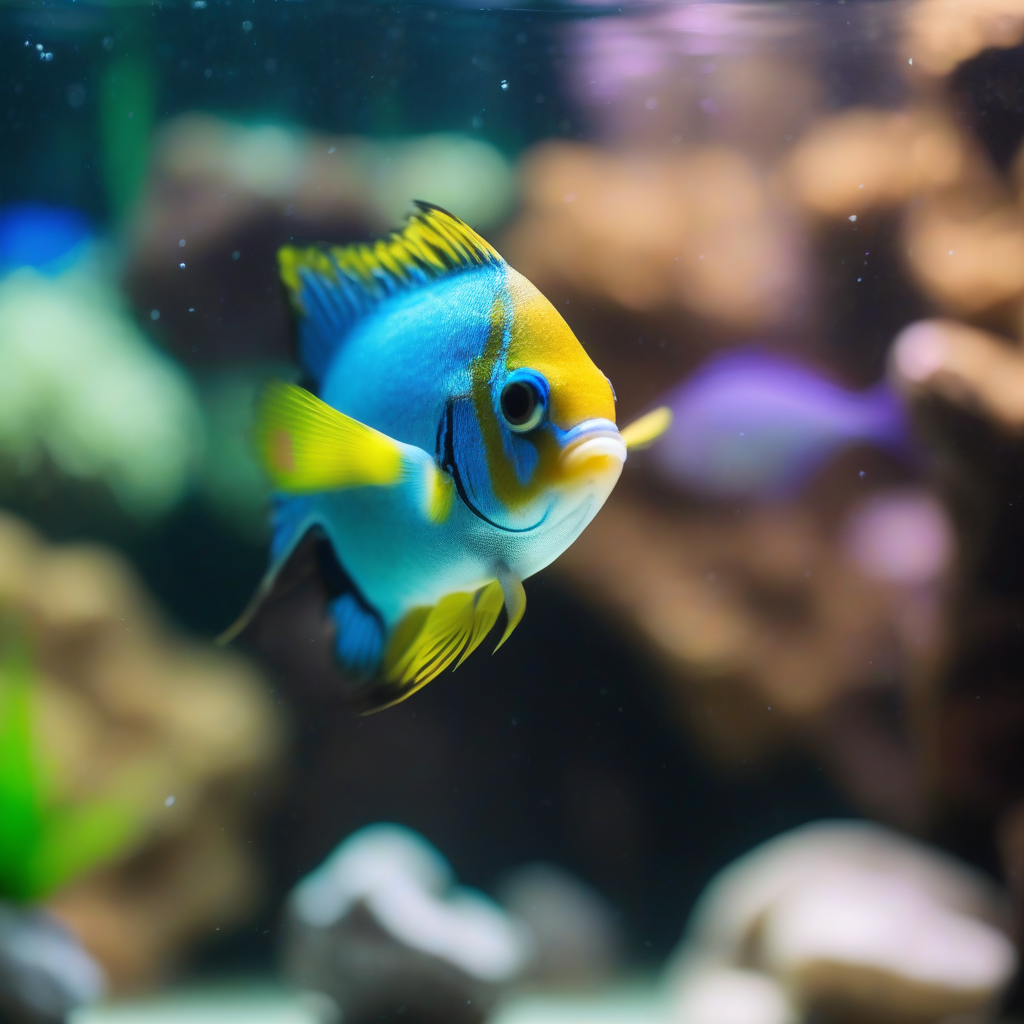
In this article, you will find comprehensive information on the insidious neurotoxic effects of heavy metal poisoning in aquarium fish, its symptoms, and lifesaving emergency intervention codes. This condition, which can arise from household water sources, improper equipment, or neglect, can severely threaten your fish's quality of life and lifespan.
Rabbits, with their cute and gentle nature, are the joy of our homes, yet they often prefer to remain 'silent' about their health problems. Particularly, issues related to oral and jaw health can create situations that are difficult to spot from the outside but carry vital risks. One of these hidden enemies is jawbone and dental abscesses. Dental abscesses in rabbits are often unnoticed until they are very advanced, and if left untreated, they can lead to serious consequences.
A dental abscess is a pus-filled sac of infection that forms at the tooth root or within the jawbone. Rabbit teeth grow continuously throughout their lives, making them particularly prone to dental problems. Factors such as incorrect diet, genetic predisposition, or trauma can lead to misalignment of teeth (malocclusion) and consequently, improper wear of the teeth. Overgrown teeth can press on adjacent tissues, causing inflammation and triggering abscess formation as bacteria settle in the jawbone or soft tissues. The primary reason abscesses in rabbits are so dangerous is that their pus is thicker and cheesier than in other animals. This makes it difficult for abscesses to drain on their own and complicates surgical intervention.
Rabbits tend to hide their weaknesses as a natural defense mechanism against predators. Therefore, when a dental abscess develops, symptoms usually start very subtly and become more pronounced as the disease progresses. Early diagnosis is life-saving. Here are the silent signs you should look for:
Early diagnosis of dental abscesses is vital for successful treatment. Your veterinarian will carefully examine your rabbit's mouth and teeth. However, due to the unique oral structure of rabbits, a thorough examination of the back teeth (molars and premolars) may require sedation.
Advanced Imaging Techniques: Visual inspection alone is not enough. Your veterinarian may recommend advanced imaging methods such as X-rays, computed tomography (CT), or even dental endoscopy to determine the exact size, spread, and affected tooth roots of the abscess. This plays a critical role in treatment planning.
Treatment Methods:
While it's not always possible to completely prevent abscess formation, you can take measures to minimize the risk:
Dental abscesses in your rabbit's jawbone are a silent threat that can progress unnoticed but can be fatal. As a conscious pet owner, recognizing early signs, not neglecting regular veterinary check-ups, and paying attention to proper nutrition are the most crucial steps to ensure your little friend lives a long and healthy life. Do not hesitate to consult a specialist if you have any doubts; because your rabbit's health is in your hands.
